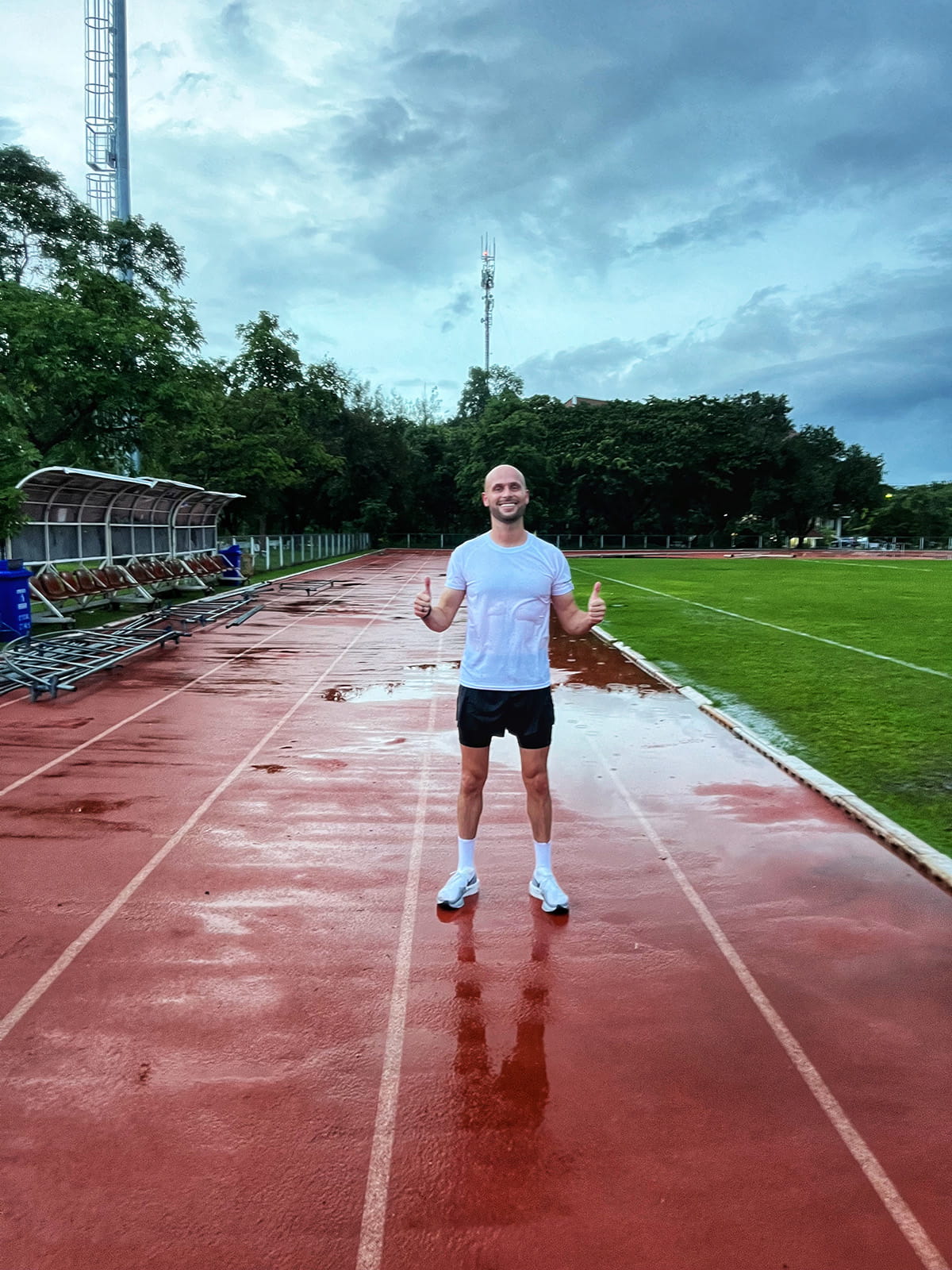
The city doesn’t settle into a single rhythm. It moves in layers. Streets, rails, surfaces that carry motion without holding it. Sound gathers, then breaks apart again, never staying in one place for long. The structures feel fixed at first. Then something shifts. Light changes across metal and glass, and the edges soften slightly without losing their shape. Nothing holds completely still.
Where the Lines Begin
Lombardy builds through direction. Straight paths, long stretches, surfaces that seem to guide movement forward without asking where it leads. The ground feels even, though not entirely. You walk, then adjust slightly, then continue again. The pattern doesn’t repeat in a way you can follow. Everything appears connected, though not clearly.
What the Space Holds
Movement passes through constantly. People cross, pause, then continue without forming a pattern that lasts. Across a rotating board, the Milan to Venice train appears briefly among other routes, then disappears before it becomes anything more than a passing detail. The space doesn’t respond to it. It continues as it was.

Between One Direction and the Next
You don’t follow a single path. One turn leads into another, then into something less defined. The structures shift depending on where you stand. Lines appear, then break apart again. The rhythm changes without marking when. A scrolling line of information includes trains from Venice to Rome, then slips out of view before it fully registers. You don’t follow it.
Movement That Carries Through
At some point, the structure begins to loosen. The edges soften. The direction becomes less fixed. The space opens slightly, though not all at once. You don’t notice when it begins. Only that it already has. The air feels different here. Less contained.
Where the Water Appears
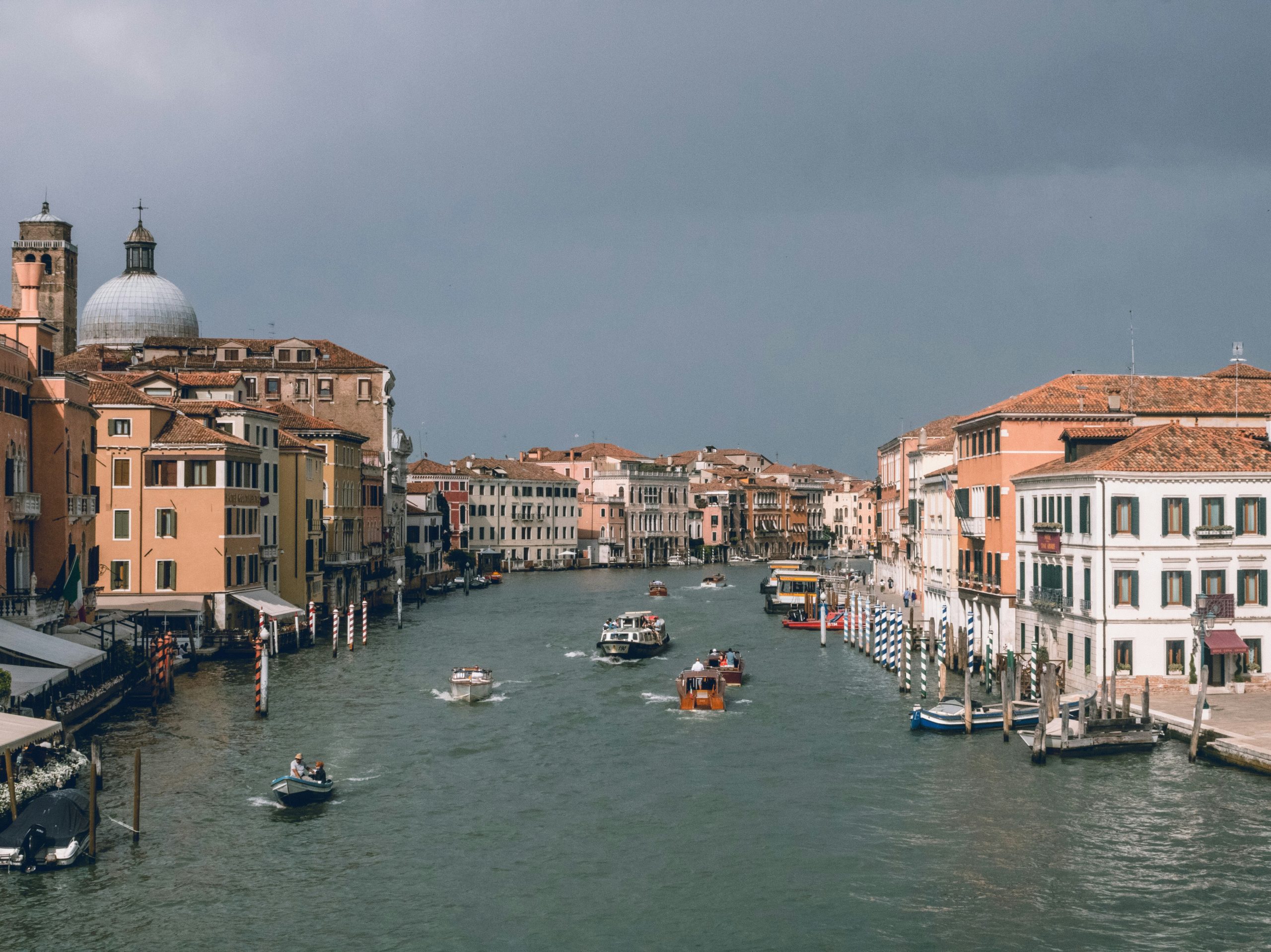
The Veneto doesn’t gather in straight lines. It shifts. Water replaces ground in sections. A narrow canal, then a wider stretch, then something that reflects more than it reveals. The surface doesn’t stay still. It carries light, then breaks it apart. You don’t see the full shape at once.

What the Surface Holds
Reflections move constantly. Buildings stretch across the water, then distort, then disappear. The edges don’t stay defined. They soften, then return again depending on the light. You notice one detail, then another, though neither stays long enough to settle. Nothing remains fixed.
Between Motion and Stillness
The water changes how movement feels. It slows without stopping. Boats pass, leaving traces that fade almost immediately. Sound carries differently. It stays close, then disappears. You don’t follow a direction here.
Where the Space Extends
Beyond the canals, the city opens slightly. Bridges connect sections without marking where one ends. The horizon appears in fragments. You move through it without deciding where to go. The space continues.
What Doesn’t Settle
The difference between Lombardy and the Veneto doesn’t stay fixed. One feels structured, the other fluid. Still, they remain connected through the movement between them. You notice it gradually. It doesn’t form a clear contrast.
The Space Between Landscapes
The transition doesn’t feel like a break. It carries through in smaller changes—solid ground to shifting surface, direction to reflection. Nothing interrupts it. You don’t feel like you’ve arrived somewhere entirely separate.
A Landscape That Continues
Looking back, the details don’t return in order. The straight lines, the moving water, the way both shifted depending on where you stood overlap rather than form a sequence. They sit alongside each other without needing to connect directly. There is no clear ending point, only the sense that the movement continues beyond where you last saw it.