
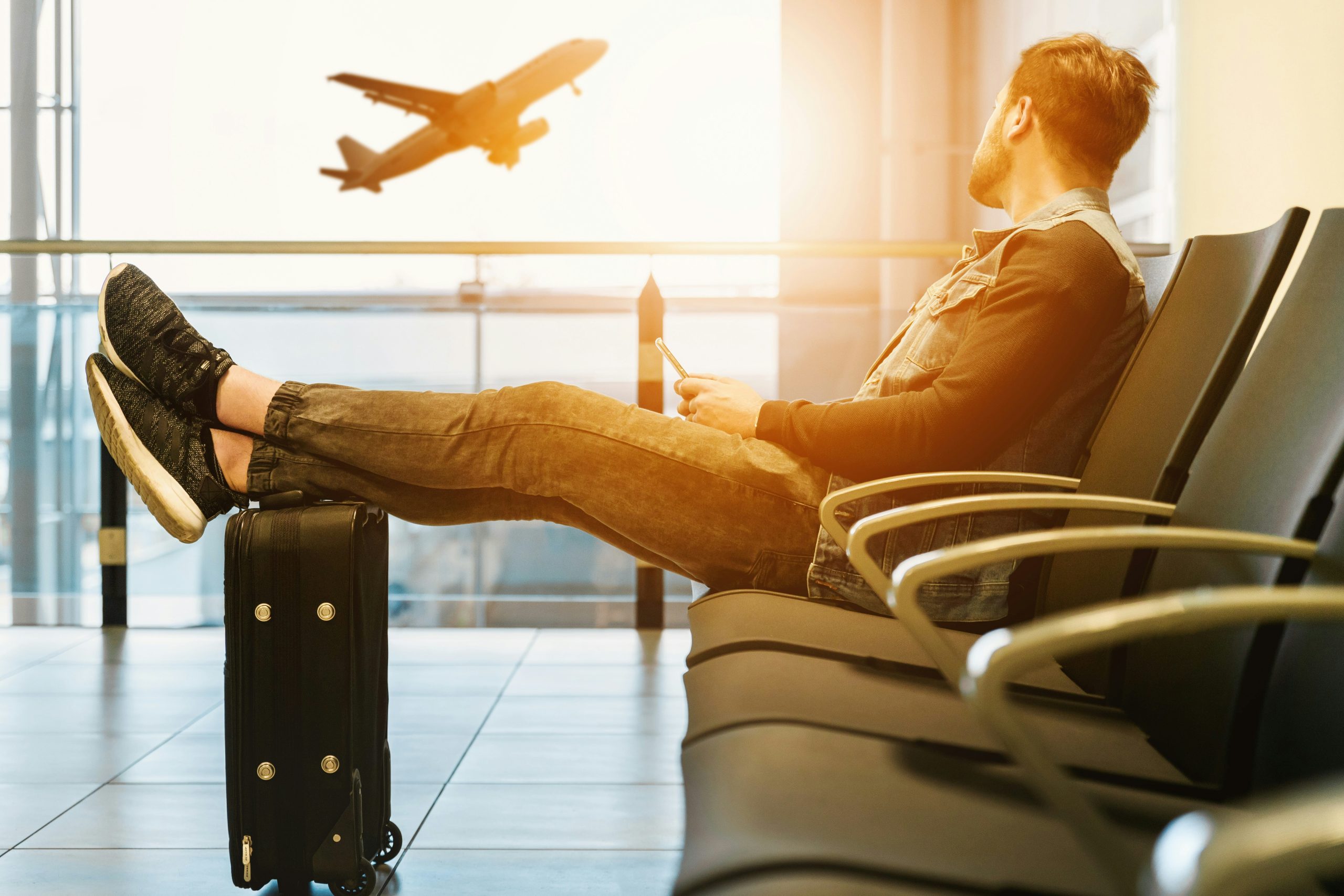
There’s a version of airport time that breaks people: the kind where you’re marooned at a gate for four hours, shoes off, laptop dying, eating a nine-dollar granola bar like it’s fine dining. And then there’s a version where that same stretch of time becomes yours genuinely.
The difference isn’t the airport. It’s knowing what to do with it.
Long-haul travel is one of the last places in modern life where you’re handed a block of uninterrupted time with nowhere to be and nothing demanding your immediate attention. That’s rarer than it sounds. The travellers who actually enjoy these windows, rather than just endure them, treat them less like dead air and more like a gift.
The First Hour Sets the Tone
Most people burn the first hour of a long flight doing absolutely nothing productive: flipping through the in-flight menu, fiddling with the seat, scrolling aimlessly. That restless energy is understandable, but redirecting it early makes everything that follows easier.
Use that first hour to get organized.
Download what you need, plan your sleep window if it’s an overnight flight, and make one decision: are you going to use this time to create, consume, or simply decompress? All three are valid. Picking one intentionally is the move.
Layovers Are Underrated (Seriously)
The word “layover” carries a stigma it doesn’t deserve. A three-hour stop in a well-connected hub isn’t a punishment; it’s an opportunity, if treated like one.
Most major international airports now offer sleeping pods, spa facilities, showers, and airport lounges that don’t require a business class ticket to access. Day passes for lounges like Plaza Premium or Priority Pass-affiliated spaces can cost less than a meal at the airport’s overpriced sit-down restaurant, and the return, a quiet seat, decent Wi-Fi, real food, and a shower, is wildly better than a plastic chair near Gate C47.
For layovers of more than 4 hours at airports outside the EU, it’s also worth checking visa-free transit programmes. Singapore’s Changi, Dubai’s DXB, and Istanbul’s new airport all have programmes that let transit passengers leave the terminal entirely.
A quick city loop, even a rushed one, beats watching the departure board for hours.
For those who prefer to stay terminal-side, online entertainment has come a long way. Sites like NetBet have made it genuinely easy to fill a layover with something engaging: slots and casual games that deliver that low-stakes enjoyment that’s perfect when you’re killing time between connections.
Making Long-Haul Hours Count at 35,000 Feet
Once the novelty of the window seat wears off somewhere over the Atlantic, long-haul flights become a genuinely good place to do the things that get crowded out at home.
Reading is the obvious one, and still underrated. Not articles, books. The sustained attention that a novel demands is almost impossible to maintain in daily life; at altitude, with no notifications and nowhere to go, it clicks into place surprisingly fast.
Load up a Kindle before departure and set a loose target of a hundred pages, a few chapters, something achievable that gives the session shape.
Skill-building content travels well, too. Downloaded courses, language apps, or even a curated YouTube playlist (downloaded offline) can make a ten-hour flight feel like a productive stretch rather than a lost day. The keyword is downloaded, don’t trust in-flight Wi-Fi with anything that needs a stable connection.
Journaling or writing hits differently at altitude. Something about being physically between places tends to unlock reflection. Carry a notebook or open a blank document and just write: observations, plans, things you’ve been meaning to think through. No agenda necessary.
The Sleep Question
Getting sleep right on a long flight is, honestly, a skill. And like most skills, it’s learnable.
The travellers who consistently land feeling human have a few things in common: they adjust their watch to the destination time zone the moment they board, they choose sleep windows that align with nighttime at the destination rather than their origin, and they come prepared: eye mask, earplugs or noise-cancelling headphones, and a neck pillow that actually supports the head rather than just decorating it.
Avoid alcohol as a sleep aid. It feels helpful and absolutely isn’t; sleep quality tanks, and dehydration at altitude compounds the problem fast.
The Mindset That Makes It Work
The travellers who waste long-haul time are usually the ones who arrived expecting to waste it, phone in hand, restless, half-present.
The ones who come out the other side refreshed, caught up, or genuinely entertained are the ones who made a small decision before boarding: this time is mine.
It doesn’t take elaborate planning. It takes a downloaded book, a charged device, one or two things you’ve been meaning to do, and the conscious choice to actually do them. The flight will happen either way.