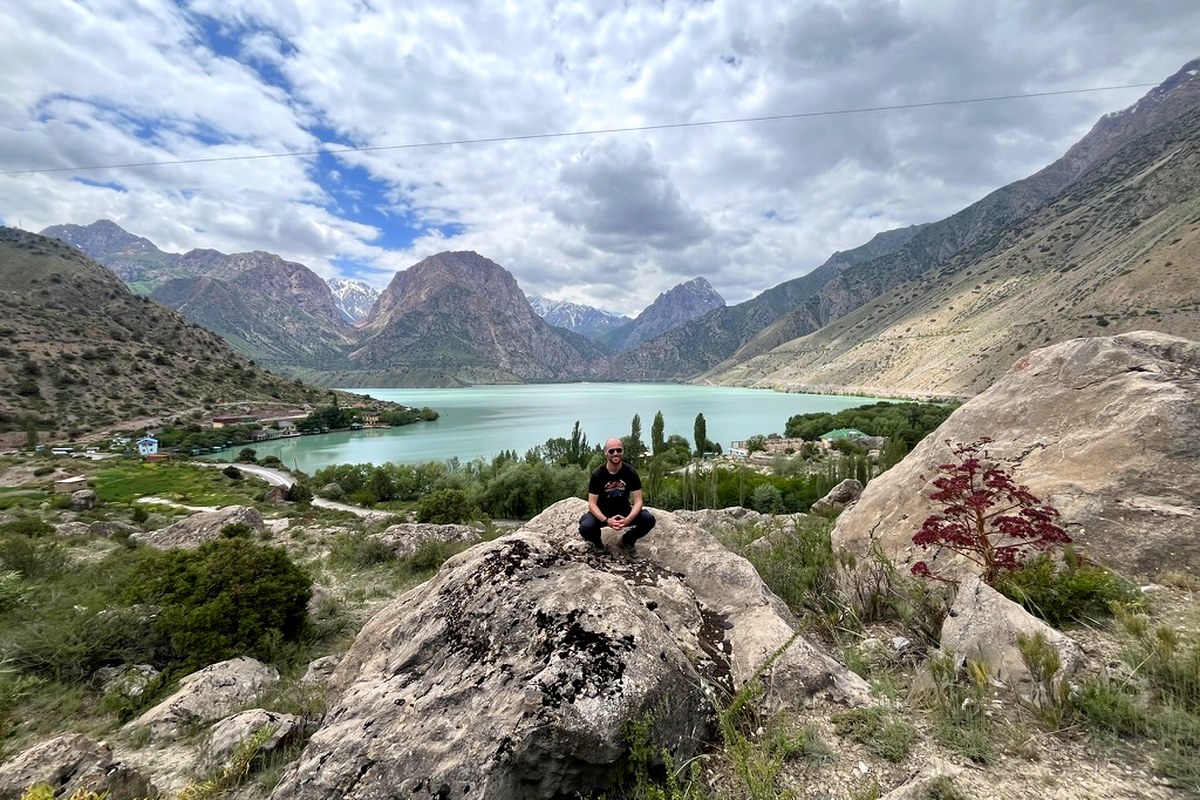
I think it’s fair to say Tajikistan is less widely known and visited than most of its neighbours. For a start, much like the tongue-twister a few doors down, Kyrgyzstan, it is extremely mountainous, with over 90% of the country made up of mountains, so travelling across it takes some extra planning.
On top of the logistics, it is less developed, and the tourist board is relatively shy about attracting more visitors. But don’t let any of the above fool you into thinking its timid nature means they have nothing to brag about, or that the land is an arid area of misery.
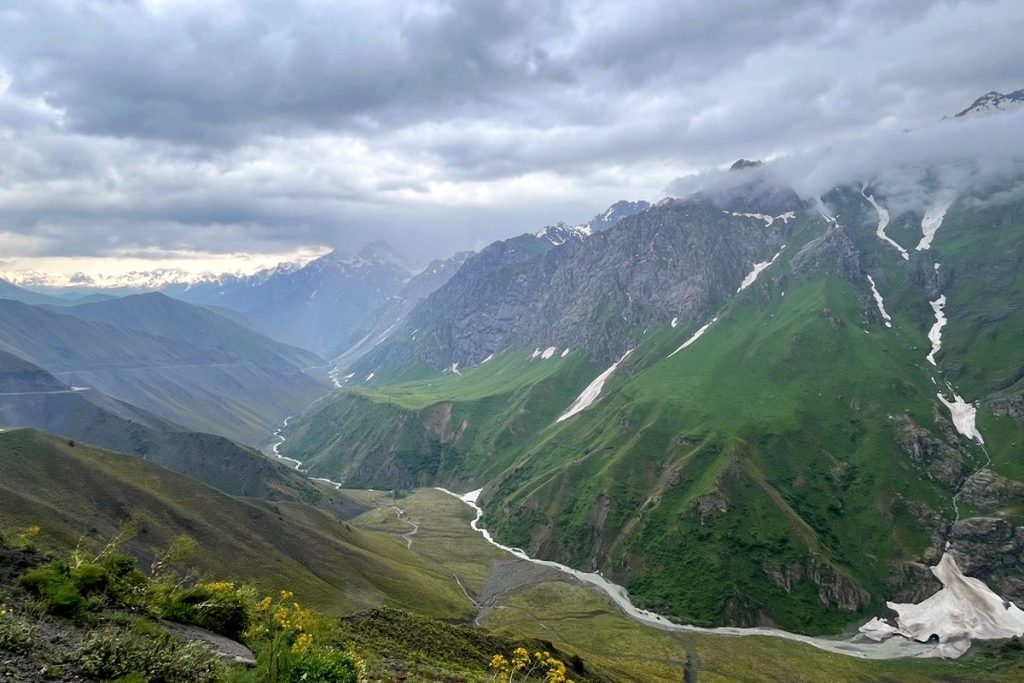
Parts of this mysterious mountain kingdom hide several natural beauties that I visited myself on the final 4-country Stan trip journey, and I was so curious to learn how clearly different it was from them as soon as I arrived.
Among the Soviet “Stans”, Tajikistan is the clear outlier. Kazakhstan, Kyrgyzstan, Uzbekistan, and Turkmenistan are predominantly Turkic countries where people speak Turkic languages, whereas most people in Tajikistan speak Persian.
Another difference is that Kazakhs, Kyrgyz and Turkmen share nomadic roots; in contrast, Tajiks have long been largely settled: farmers and townspeople in the valleys rather than mountain herders.
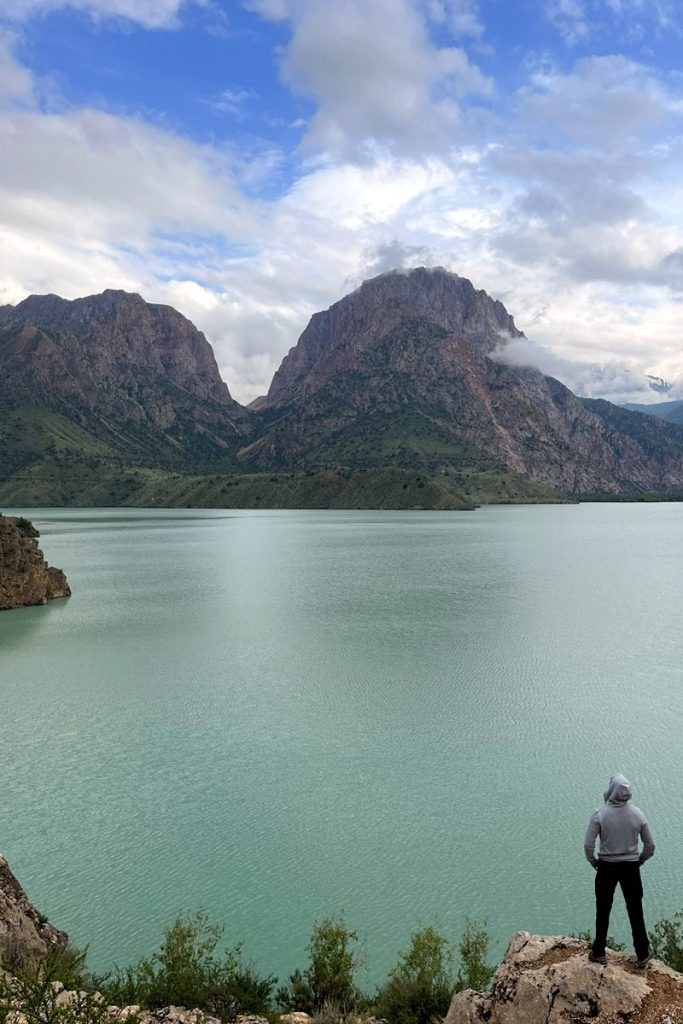
1. Feast your eyes on Iskanderkul, Alexander the Great’s lake
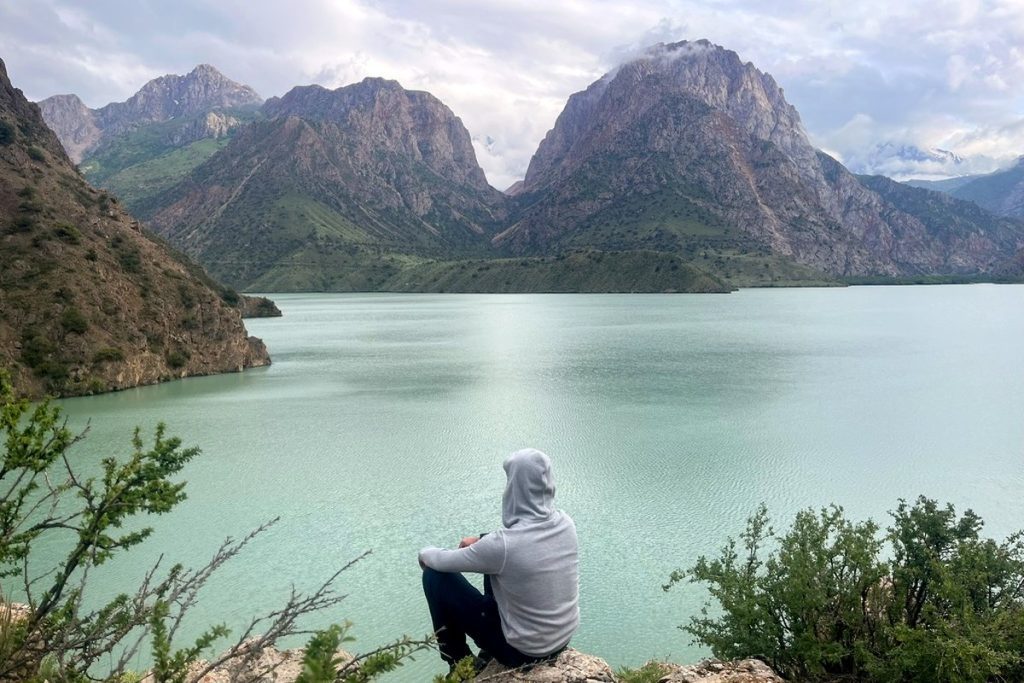
Alexander the Great sure got a lot done during his 32 years on earth. He also got quite a bit done, so much so that a beautiful alpine lake hides away in the Fann Mountains of Tajikistan, named after him.
Iskander is the Persian form of Alexander, and kul means “lake” in Turkic languages. What makes this even more interesting is that there is no solid historical evidence that he visited this attraction in Tajikistan.
Two main local stories are that his forces were resisted by brave, rebellious mountain people, so he ordered a river to flood and destroy it, creating the lake. The other is that his famous horse Bucephalus drowned in this body of water.
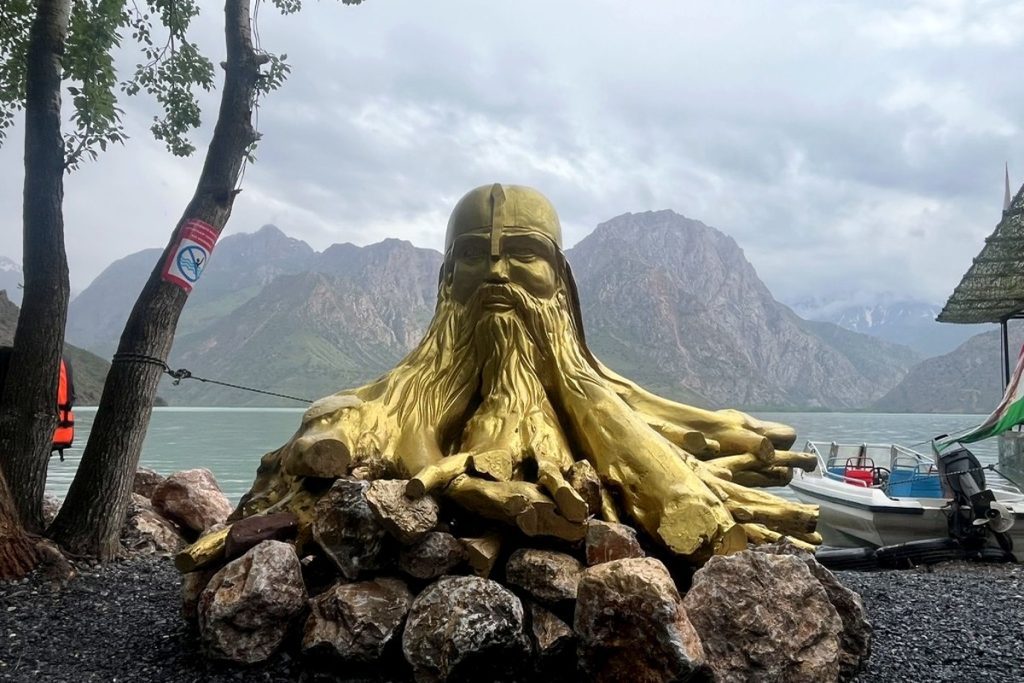
I’ll let the historians thrash that one out, but if you don’t care about this, you can simply visit for some time in nature. I recommend staying in the Soviet-era wooden cabins on the north side of the lake at Turbaza Cottage Park; you’ll barely hike 30 minutes before you see this beauty.
Think Banff without the coach parties. My tour guide Josh approved of this analogy, and he’s a Canuck.
2. Follow the turquoise river through the Fann Mountains
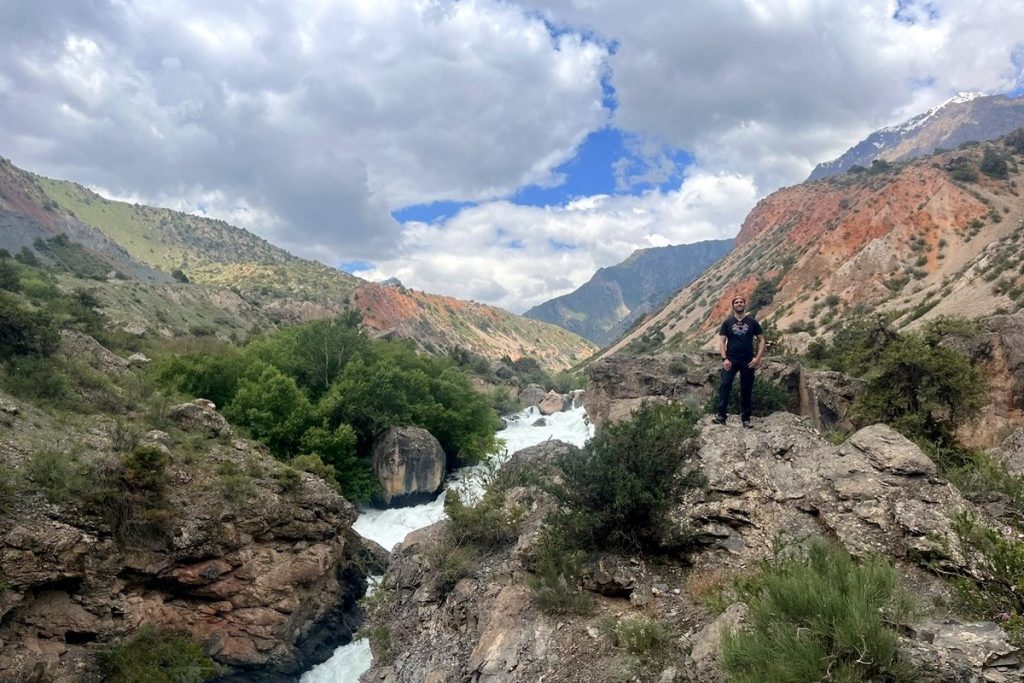
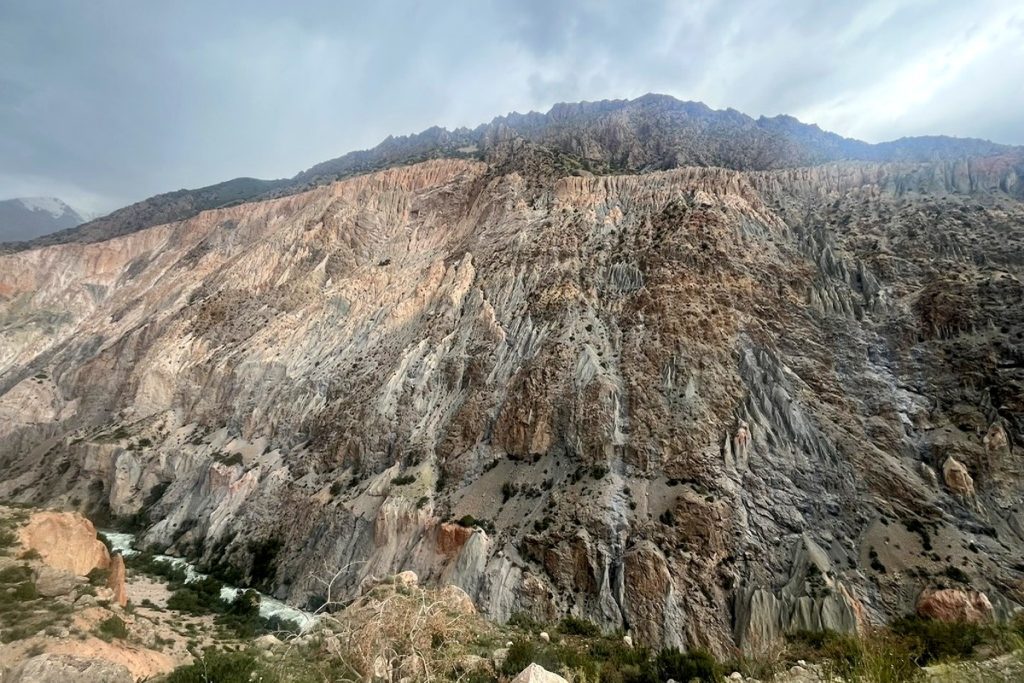
Keep your hiking boots on and follow the water downstream as it leaves the lake known as the Iskanderdarya. The turquoise colour remains as it flows through jagged, red-scarred mountain slopes, which lead to a waterfall known as the “Niagara of the Fann Mountains.”
As gorgeous as the landscape is, I think that’s a bit of a cheeky exaggeration; then again, I did say the tourist board were a little shy of the country’s bragging rights, so credit where credit is due.
You’ll also come face-to-face with the main man, the president, Emomali Rahmon, on a billboard. Iskanderkul is one of his favourite holiday retreats, and you will get used to seeing his face around the country; he’s certainly not camera shy.
It’s an easy hike that doesn’t need any high levels of fitness, a perfect wander and an opportunity to see the place from all angles due to little human traffic and space to scramble on rocks to enjoy the scenery.
3. Walk a 5,500-year-old city at Sarazm
Sarazm is more a sightseeing thing to do in Tajikistan, not much to see but plenty to think about.
A tour guide is required here; at first glance, it just resembles dried mud under protective roofs, but once you realise it is one of Central Asia’s first urban settlements, 900 years older than the Great Pyramids of Giza, then you will respect its shout for attention.
The Stans immediately make you think of the Silk Road, but this place had trading connections long before then, stretching back to Mesopotamia in modern-day Iraq.
Sarazm is also an ideal base for visiting the nearby ancient city of Panjakent: a 30-minute drive with a completely different vibe and history. I recommend this as your first stop if you arrive over the border from Uzbekistan.
4. Storm Hisor Fortress
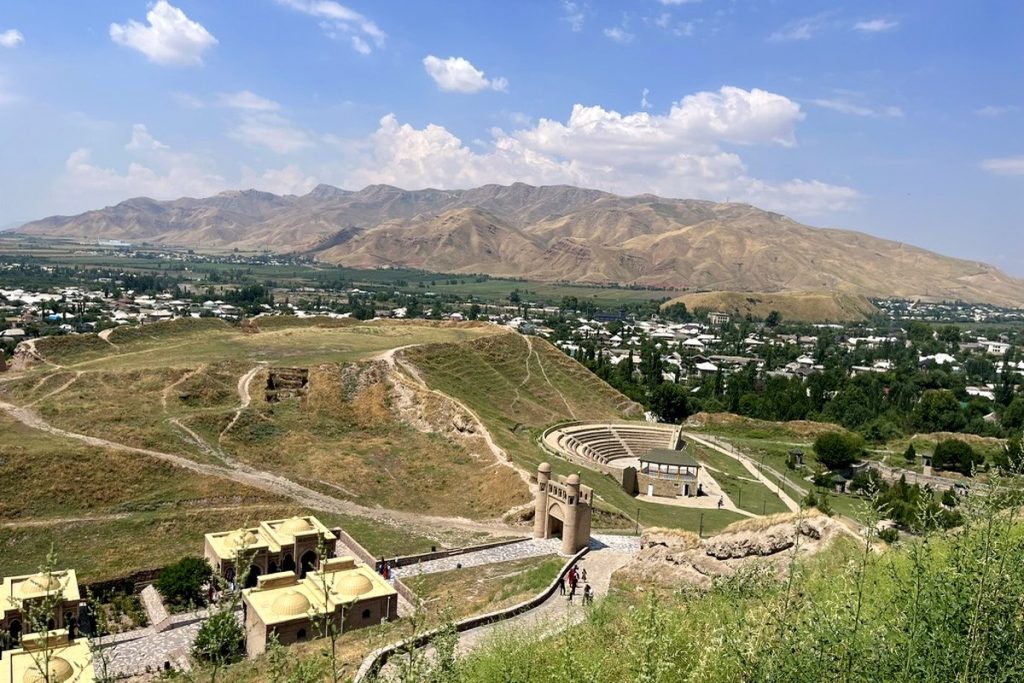
About 30 kilometres from the capital, Dushanbe, stands Hisor Fortress. It’s popular with the locals for wedding photos and Instagram due to its gorgeous backdrop of mountains framing Hisor Valley.
The romantic vibe is a stark contrast to its tragic story, where it was destroyed during a Red Army assault in 1924. The fortress is largely reconstructed rather than ancient, but don’t let that put you off.
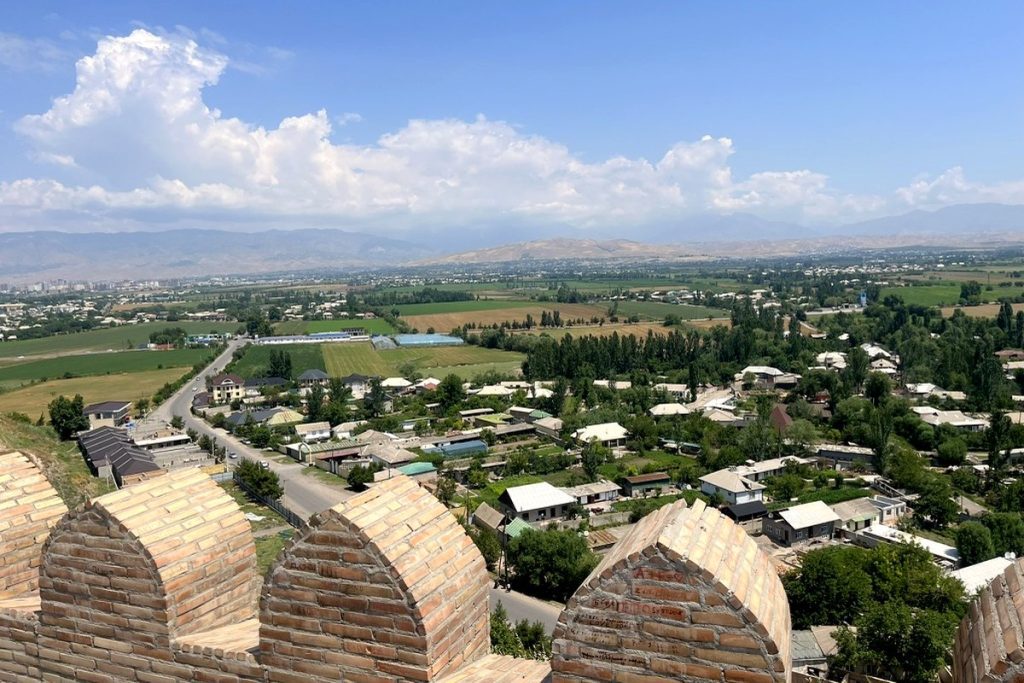
We went around 12 pm during summer, and it was bloody hot! There are market stalls nearby in the historic madrasas if you’re partial to the euphoric joy of finding the right fridge magnet.
5. Get lost in Mehrgon Market, Dushanbe
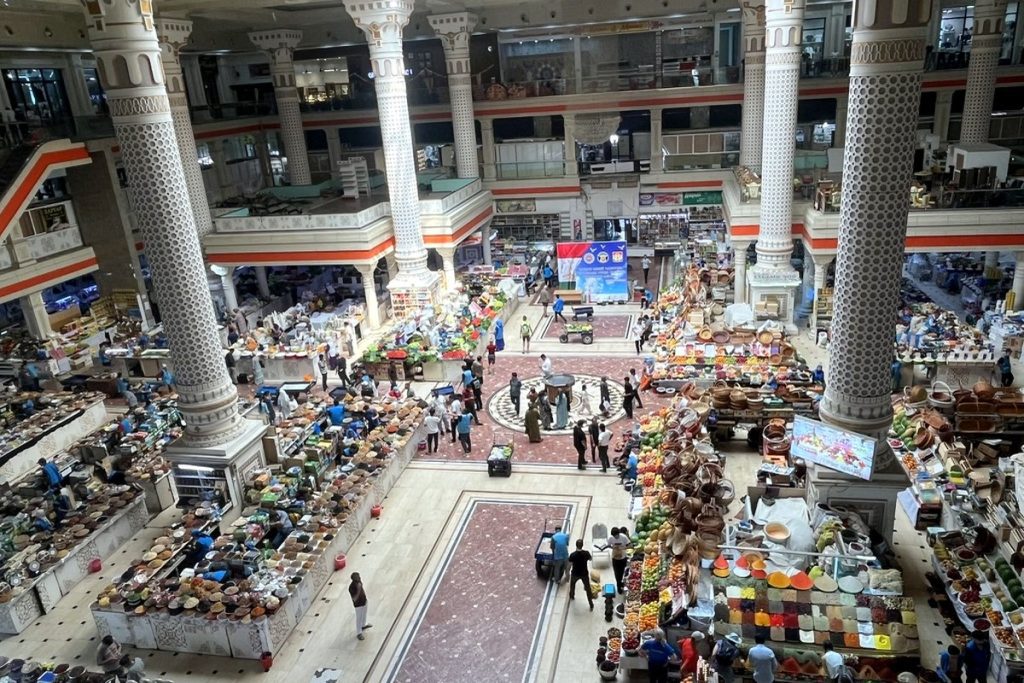
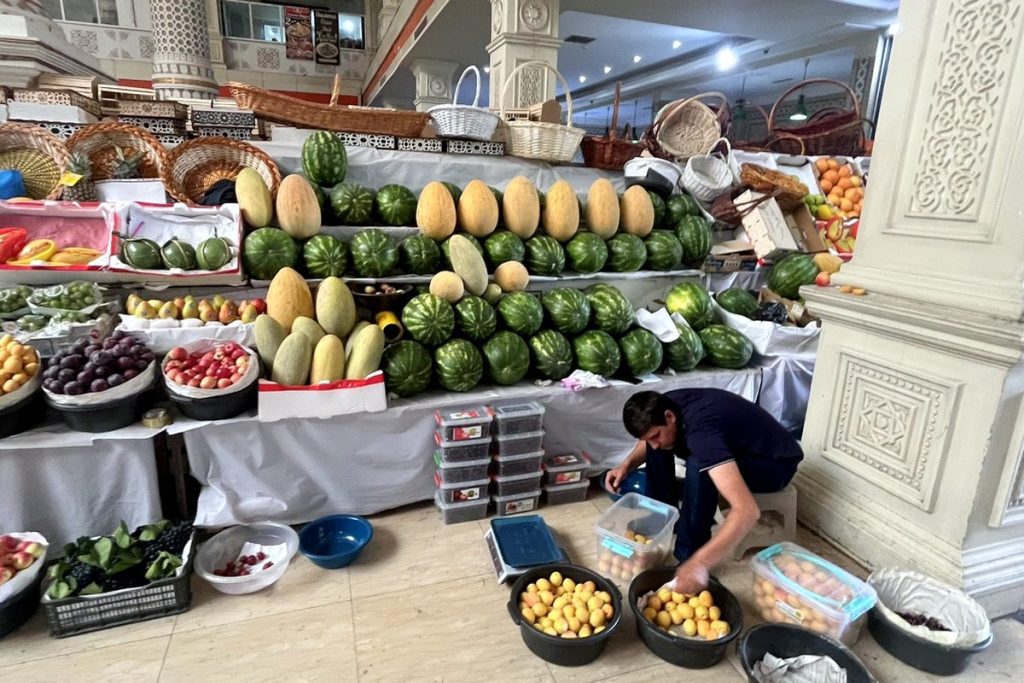
One thing I simply adored in the Stans was wandering around food markets and, of course, trying local cuisines. Tajikistan did not disappoint, although the vibe was a little different in Mehrgon Market, which was opened in 2014 to replace old bazaars as Dushanbe’s modernisation aimed for a stronger national identity and economic redevelopment.
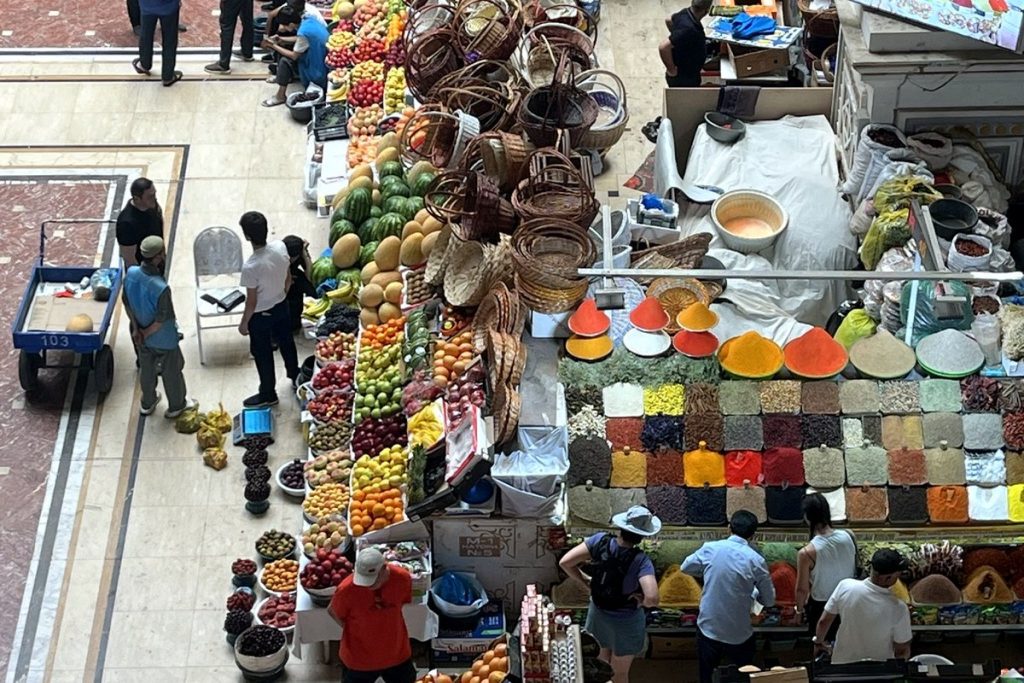
This market is more like a mall-palace-food-market hybrid, with food, hair salons, clothes, and offices filling the mammoth three-storey, 10,000 m² building.
The experience here is palpably less interactive than at its neighbours. I am not suggesting they are rude. Tajiks are often perceived as slightly more formal, polite, and reserved compared to some of their Central Asian neighbours, though hospitality remains a cornerstone of their culture.
6. Stand under one of the world’s tallest flagpoles
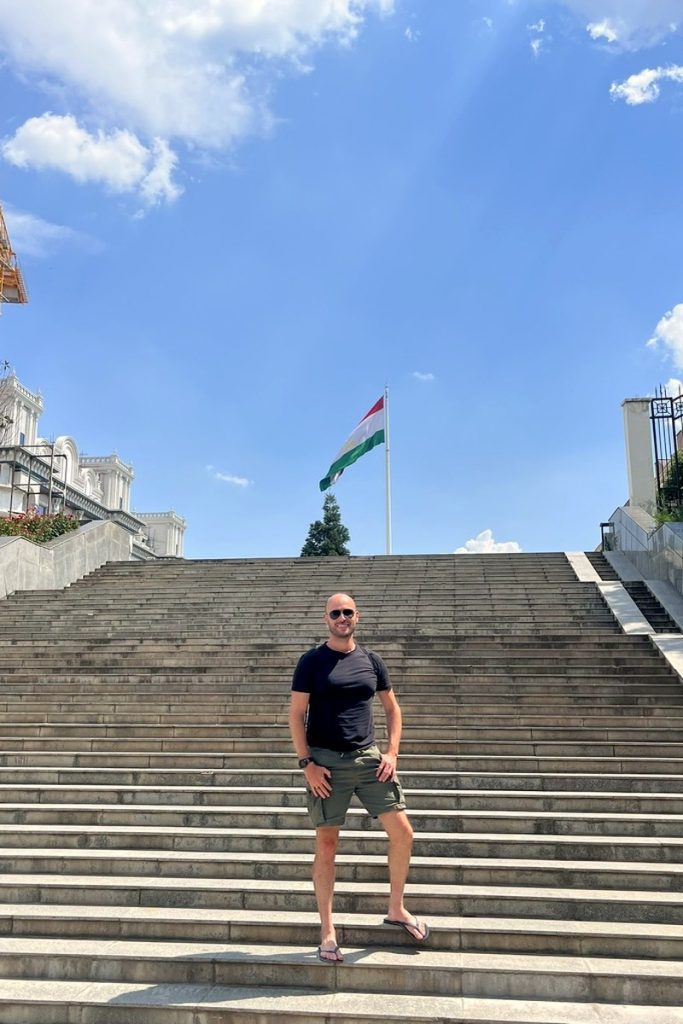
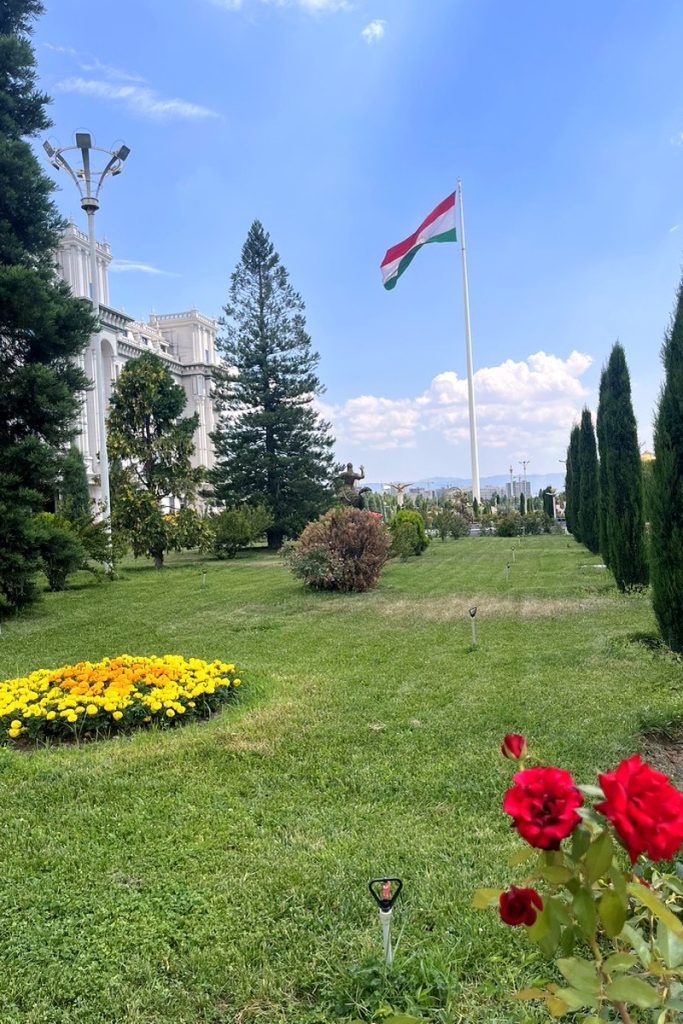
Built for the 20th anniversary of independence and costing a whopping $3.5 million, standing at 165 m, 30 m × 60 m and weighing in at 700 kg, this flag in State Flag Square was once the largest flagpole in the world until the Saudis knocked it off its perch with their Jeddah flagpole in 2014.
It is now the fifth tallest flagpole; this is the current “my flag is bigger than your flag” league table as of 2026:
- 1st – Cairo, Egypt: 201.95 metres (2021)
- 2nd – Baku, Azerbaijan: 195 metres (2024)
- 3rd – Saint Petersburg, Russia: 175 metres (2023)
- 4th – Jeddah, Saudi Arabia: 171 metres (2014)
- 5th – Dushanbe, Tajikistan: 165 metres (2011)
As we were there in summer, there was zero wind, so we sadly didn’t see the patriotic blowing imagery you’d hope for in such situations.
7. Meet the poets and kings of Dushanbe’s monuments
Ismoil Somoni is everywhere: on the national currency, in statues, and even in the country’s airline, Somon Air, which is named after him.
He ruled the Samanid Empire from its capital, Bukhara, and is quite possibly the most celebrated face you’ll see in Tajikistan, other than the modern-day president.
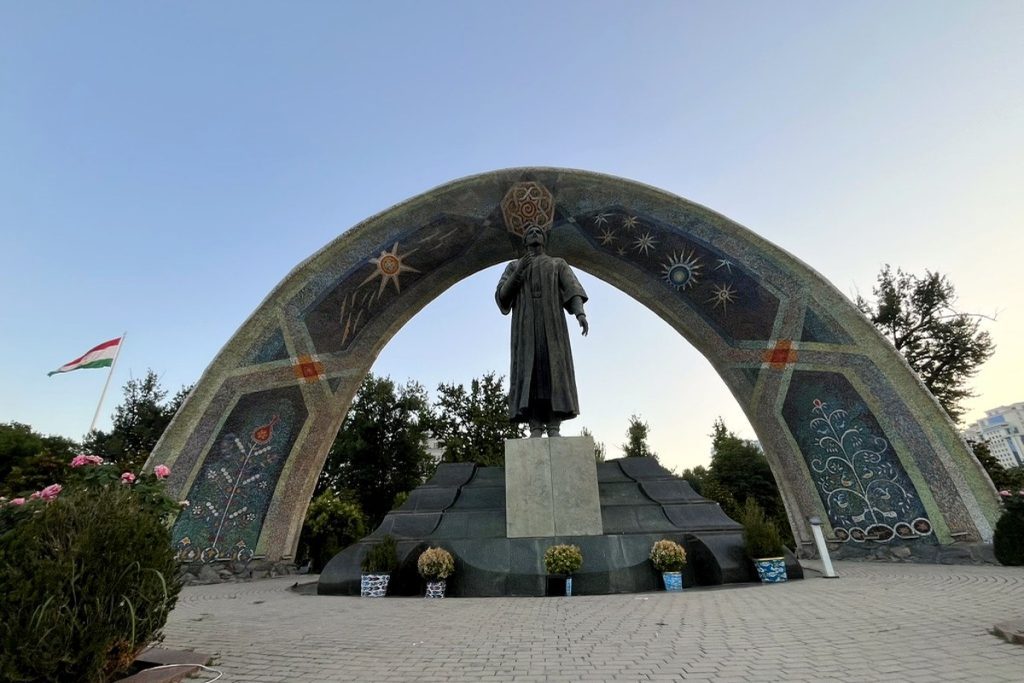
Over in Rudaki Park, you’ll find an elaborate arch and statue dedicated to Rudaki, widely regarded as the father of Persian poetry. Until visiting Tajikistan, Rumi was the only Persian poet I could name in a pub quiz. I’ve now doubled my repertoire for all those sophisticated dinner parties I never get invited to.
8. Play “Spot the president” (everywhere)
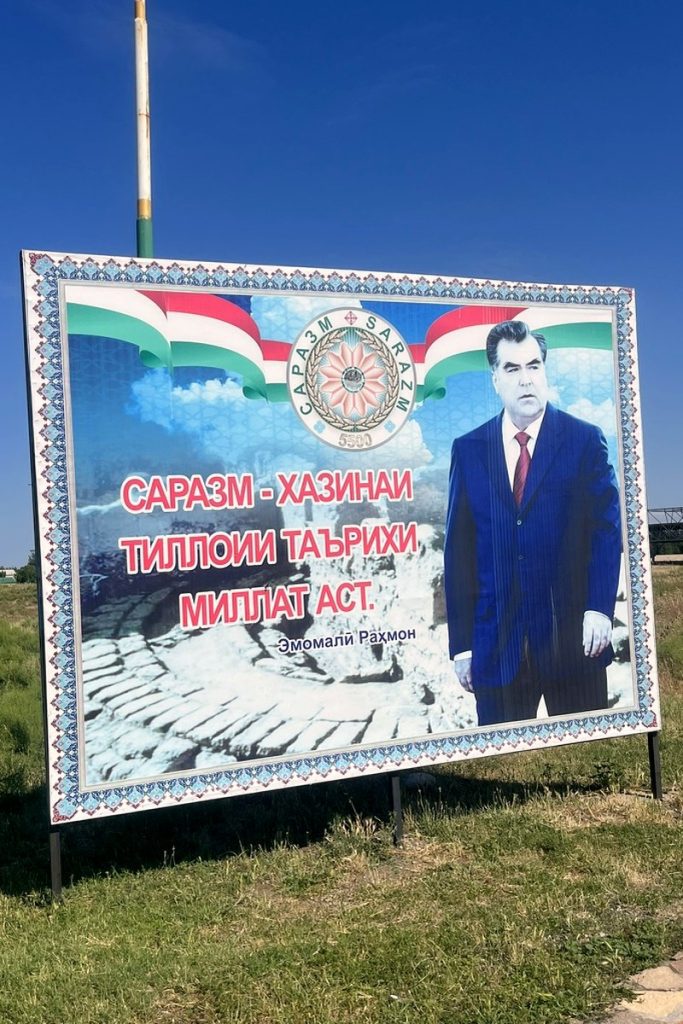
If you fancy an unofficial sightseeing challenge in Tajikistan, try counting how many times you spot President Emomali Rahmon during your trip. Just make sure you credit me for creating this fun game to pass the time during these long mountain road trips.
From busy city streets to remote mountain roads, the boss is never too far away.
A former Soviet sailor and state farm chairman, he has led Tajikistan since 1992 and officially became president in 1994. In 2015, he was given the permanent title of “Leader of the Nation”, along with lifelong immunity from prosecution.
Saucy.
Politics is something of a family affair too, with his eldest son serving as mayor of Dushanbe. I couldn’t find official figures for the number of presidential billboards across the country, but I counted twelve.
Let me know if you beat my score.
9. Bring cash
After travelling through Kazakhstan, Kyrgyzstan and Uzbekistan, where I rarely had problems paying by card in the larger cities, Tajikistan required a little more forward planning.
Cash is still king here, particularly once you venture outside Dushanbe and into the mountains. The local currency is the Tajik somoni (TJS), named after the aforementioned Ismoil Somoni.
International bank cards work in some hotels, restaurants and larger shops, but ATMs can be temperamental, with some refusing foreign cards or running out of cash altogether.
US dollars are relatively easy to exchange at banks and authorised currency exchanges. Bring clean, undamaged notes and stock up on somoni before heading into the more remote parts of the country.
Leaving Tajikistan
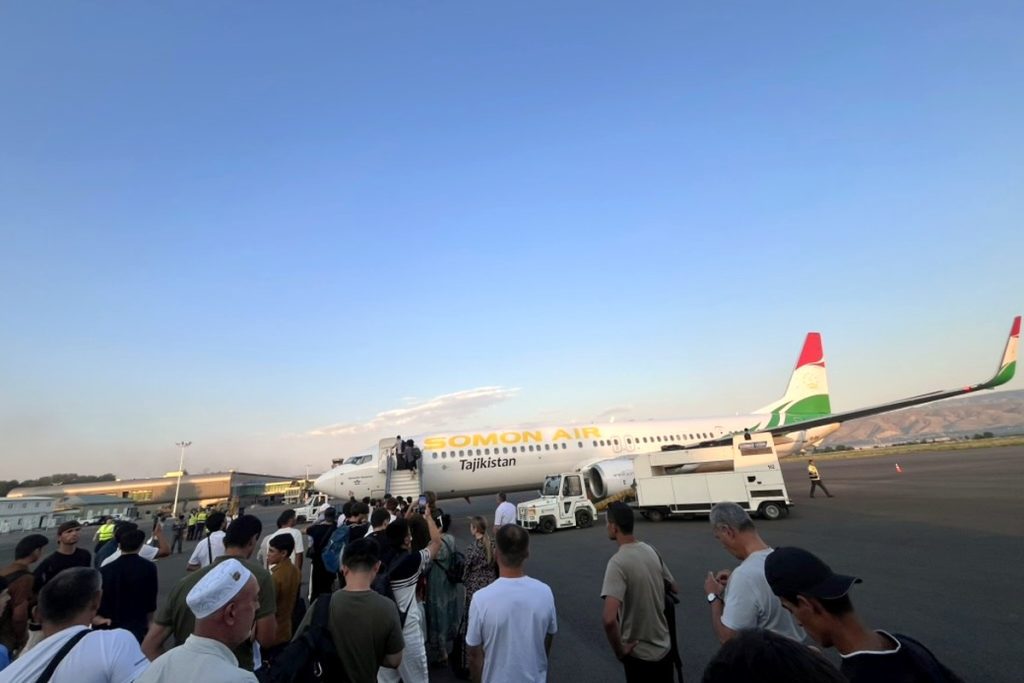
I enjoyed Tajikistan so much, although it’s a bit of a nightmare getting out of. I had to fly back to Almaty in Kazakhstan, then bounce to Bangkok, back home to Chiang Mai, but I am certainly not complaining about that; just a heads-up to anyone reading this for their trip planning.
I know I may have overdone the whole “oh it’s so different to the other Stans” shtick, but since the previous four Stans blended in because of their shared historical roots and traditions, it was refreshing to see the contrasts at the end of an intense group trip.
Give Tajikistan a chance, and if it continues to be shy, help me out by spreading the good word about this lovely country.