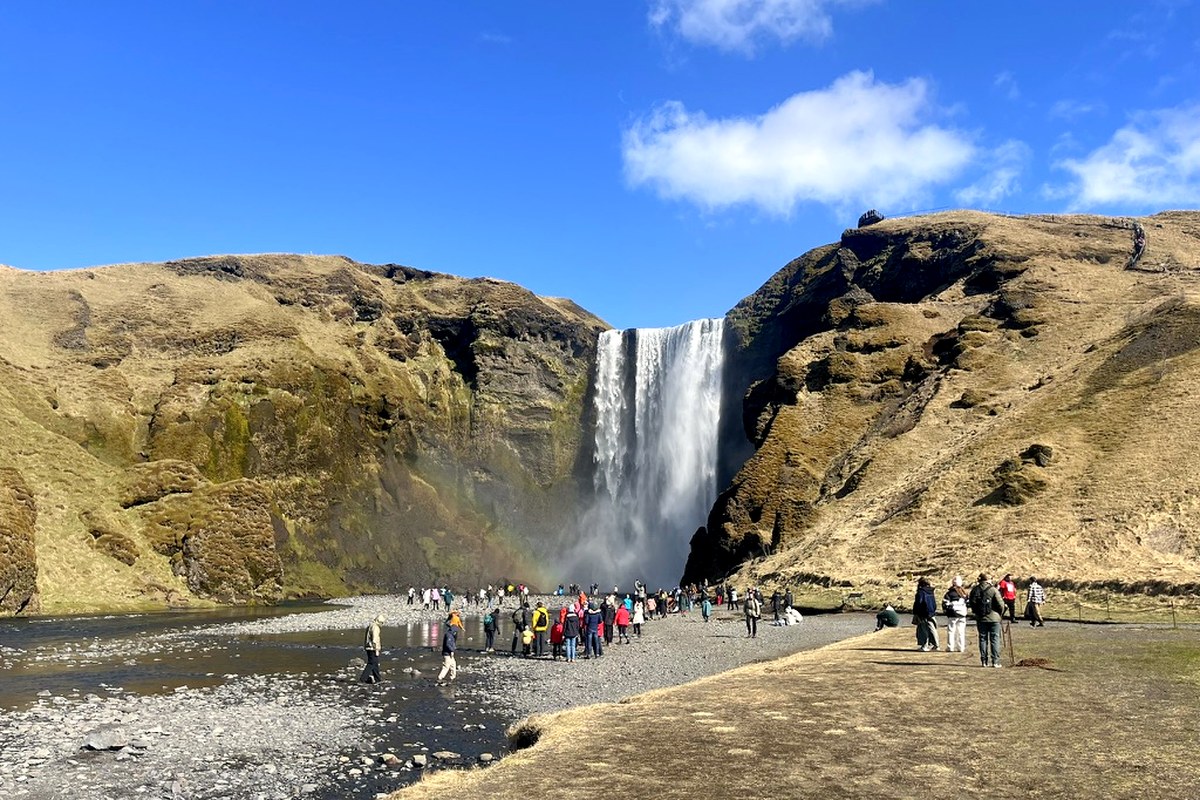
I am sitting in the sauna at the Sky Lagoon, one of the lesser-known hot springs in Iceland for mere pleb tourists like myself, though only moderately popular with Icelanders.
The view from the sauna is like a postcard from heaven, and I am on step three of the seven-step ritual, which has agreed silence, with signs all over reminding us.
However, an American couple who did not get the memo are talking at the top of their lungs, and my plan to reach nirvana has been scuppered.
I directly but politely say to the man, “Excuse me, mate, this is supposed to be a silent sauna.” The woman responds for him, “You are an asshole.” My blood boils, and I ask her how I am the arsehole here (the pejorative being pronounced correctly this time) when they’re the ones disturbing everyone.
My internal anger is pacified as the Icelandic people in the sauna have my back, almost all of them, male and female, calmly but directly telling the couple they need to be quiet in the name of sauna symbiosis.
Her pesky squawk is already a distant memory as the locals drown her out. The couple both leave in a huff, and one guy gives me a nod of approval as civility is restored.
I am having an “I am Spartacus” moment. O Captain! My Captain! A Viking revolt led by none other than me.
Wait. Are Icelandic people actually Vikings?
I don’t actually know; they kind of look like they could be, but I don’t know their history too well. I am also fascinated by the fact that, like the UK, they are an isolated island. From that moment on, I observed the locals with an open mind and set out to learn about their history and culture.
Who Are the Icelandic People?
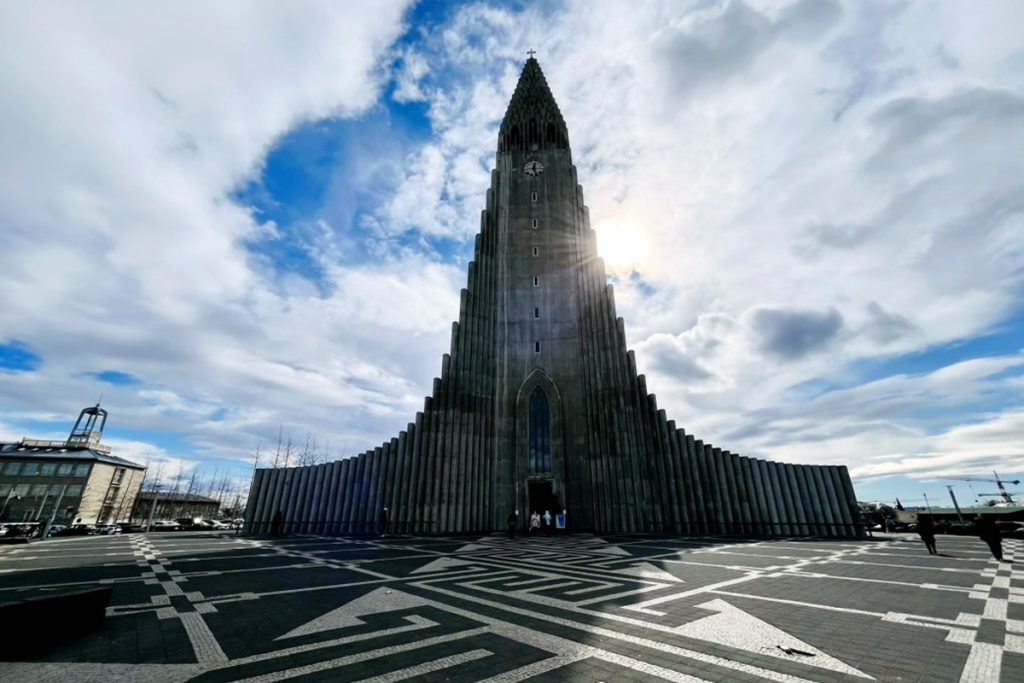
With a population of just under 400,000 people, most of whom live in and around the capital, Reykjavik, Iceland is one of the least populated countries in Europe.
Let me say the non-politically correct thing out loud: they’re tall on average and pretty easy on the eye, so are they descendants of Vikings?
Partly, yes. The first permanent Norse settlers arrived in Iceland in the 870s, but they also have a significant amount of Gaelic ancestry, particularly on their mother’s side of the DNA family tree.
Centuries of geographical isolation have left Iceland with a relatively homogeneous population, and the language has remained stable; one Icelander told me most people in this proud island nation can still read medieval sagas from 800 years ago.
7 Observations of Icelandic People
Here are seven observations about Icelandic people, from their refreshingly direct nature to their approach to everyday life and how some change when alcohol touches their lips.
1. Calm and Civilised, Until You Break the Rules
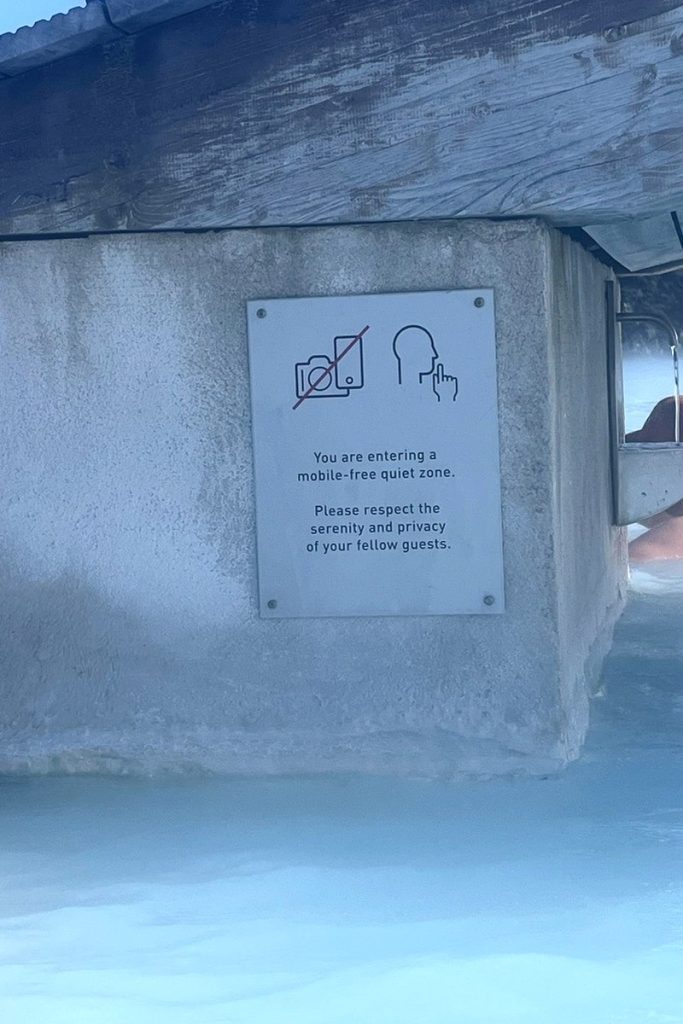
Everything seems to work fine, and that’s mainly because everyone seems to have a communal respect for one another’s time and personal space. But if you step out of line, they’ll throw down the gauntlet, as I showcased in my intro about my sauna-gate experience.
2. Direct, Not Rude
Related to my point above, I guess Icelandic people are more like Germans than Brits when it comes to confrontation or discussing an issue. I witnessed people complain in restaurants a few times, but not in a passive-aggressive manner.
I admire that in a person. Firm but fair.
3. Reserved at First, Helpful When You Ask
Not being overly jovial all the time shouldn’t be deemed unfriendly, and no one should be forced to fake a smile if they don’t want to. But helping out your fellow man is good for society.
Icelanders seemed to be a good mix; they don’t overdo eye contact and aren’t too touchy-feely with strangers, but when you ask for help with directions, etc., they go out of their way, and their English is fantastic.
4. Fiercely Proud of Their Country
I’ve witnessed the good, bad, and ugly in football culture around the world, and one thing that personifies Iceland’s unbridled patriotism is the iconic “Viking Thunderclap” that went viral.
Sadly for me, its fame began when they knocked England out of Euro 2016. Check it out below; pretty cool.
Bonus Iceland football international fact for you: Eiður and Arnór Guðjohnsen are famous for being the only father and son to appear in the same senior international football match, with 17-year-old Eiður coming on as a second-half substitute for his 34-year-old father, Arnór, in Iceland’s 3–0 friendly win over Estonia on 24 April 1996!
5. The Men Can Get a Bit Aggro on a Night Out
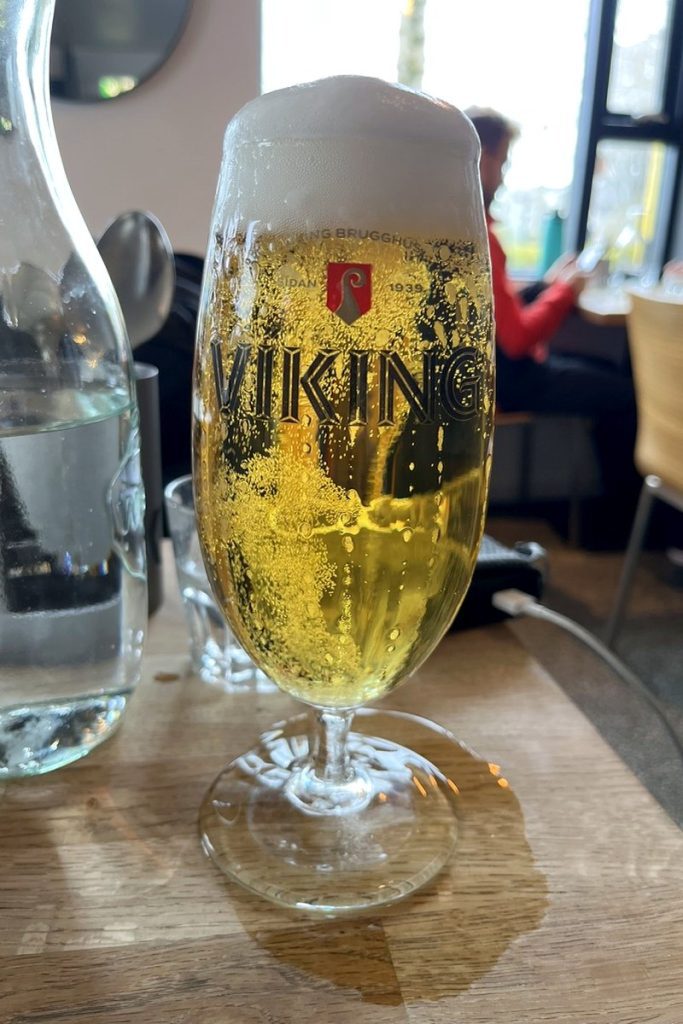
That direct politeness I mentioned seems to fade with every sip of beer on a night out in Iceland.
I was shoulder-barged and pushed a few times in a bar by rowdy blokes. It’s all good; it’s not my first rodeo with that kind of behaviour, and I know when to keep my mouth shut and when to avoid eye contact so I can live to tell the tale.
6. The Strict Shower Rule (and They Will Tell You)
Before taking a dip in Sky Lagoon or Blue Lagoon, note that you’re expected to shower naked and thoroughly wash yourself.
And if you try to sneak past the showers in your swimming costume, don’t be surprised if a local calls you out. Remember what I said earlier about Icelandic directness?
In the name of good hygiene for all, don’t take it personally.
7. Tall, Scary-Looking and One of the Safest Places on Earth
I wasn’t too fussed about the chest-beating drunks, as I read one of Iceland’s best bragging rights while I was there: the Global Peace Index ranks it number one for world safety.
There is no standing army, and the police must be bored to tears due to the low crime rate in the country.
Is Iceland Worth Visiting?
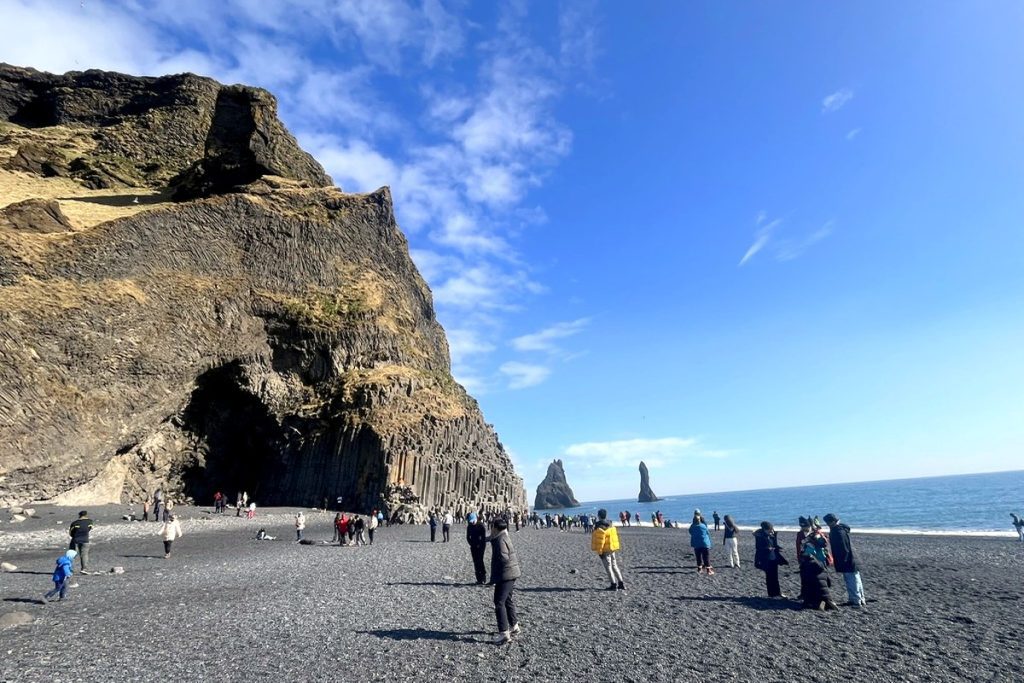
On my flight to Reykjavik, I annoyed myself by pontificating on whether Iceland is worth visiting, a ridiculous neurosis I won’t pretend to defend.
I thoroughly enjoyed the clean air, observing the locals, and the country’s natural beauty, and I would definitely go back.
This post is semi-facetious; I am not claiming to be an expert on Icelandic people because I spent a couple of weeks there, but all opinions are my own, and the sauna experience inspired the stream of consciousness in this article.