
Central Europe’s capitals are shaped by borders that have moved, disappeared and been redrawn across centuries. Vienna, Bratislava, Prague and Munich may now belong to different modern states, but their histories are closely connected through empires, dynasties, trade routes, wars and shifting political alliances. Walking through these cities today can therefore feel like moving through several different eras at once. The most interesting details are often found in the relationship between old monuments and modern city life. A palace may recall an imperial court, a railway station may reveal the importance of industrial expansion, while a quiet square can preserve the outline of a much older settlement. Understanding a little of the history makes these capitals considerably more rewarding to explore.
Vienna and the Long Shadow of the Habsburgs
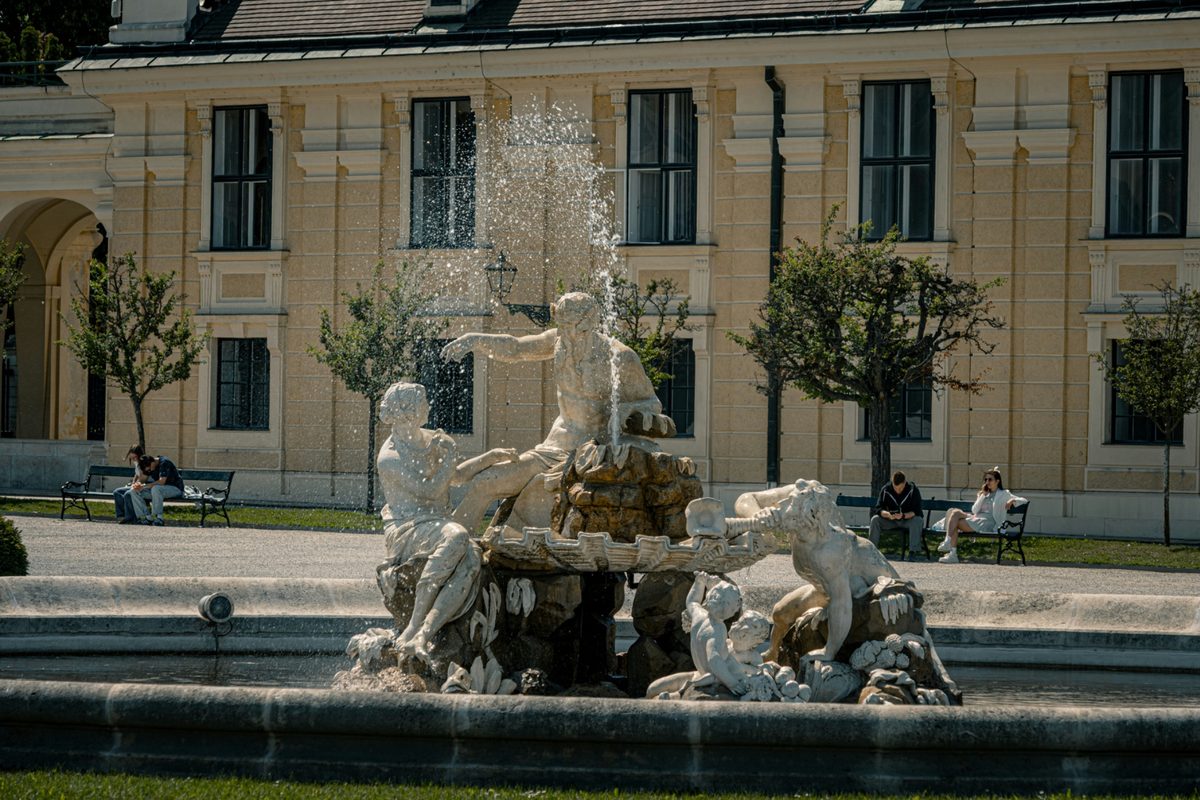
Vienna’s identity is deeply connected to the Habsburg dynasty, which made the city the political centre of a vast European realm. For centuries, decisions made here affected territories stretching across much of Central and Eastern Europe. The imperial legacy remains particularly visible around the Hofburg, Schönbrunn Palace and the grand buildings lining the Ringstrasse. The city changed dramatically during the nineteenth century, when medieval fortifications were demolished and the Ringstrasse was developed. Opera houses, museums, government buildings and grand residences followed, creating the monumental Vienna that remains familiar today. Yet the capital is not simply an open-air imperial museum. Modern Vienna grew around those historic foundations, adding neighbourhoods, cultural institutions and new forms of architecture.
Bratislava and the Border That Kept Moving
Bratislava has experienced several different identities over the centuries, partly because of its position close to the borders of modern Austria and Hungary. During the period of the Hungarian Kingdom, the city became an important political centre and served as the coronation city for Hungarian monarchs after Ottoman expansion altered the region’s balance of power. Its proximity to Vienna is particularly significant. The Vienna to Bratislava train now makes the journey between the two capitals straightforward, but historically the relationship between them was shaped by much more than modern transport. The Danube connected communities and commercial interests long before today’s international borders existed. Bratislava’s compact historic centre reflects these layers. Medieval streets, Baroque buildings and remnants of the city’s former fortifications sit alongside twentieth-century developments, making it possible to trace different chapters of its past within a relatively small area.
Prague and the Bohemian Story
Prague’s history reaches back well before the modern Czech state. As the historic capital of Bohemia, it developed into an important political, religious and cultural centre within the Holy Roman Empire. Later, it became part of the Habsburg monarchy, linking its history to Vienna while maintaining a distinctive Czech identity. The city’s architecture reflects this complicated past. Prague Castle dominates the skyline, while churches, palaces and civic buildings reveal centuries of changing artistic styles. The Old Town, Charles Bridge and Jewish Quarter each carry different historical associations, making Prague particularly rich for travellers interested in how cities preserve competing memories. The twentieth century brought another dramatic sequence of changes. Prague became the capital of Czechoslovakia after the First World War, experienced Nazi occupation during the Second World War, and later became part of the Soviet-aligned Eastern Bloc. The peaceful Velvet Revolution of 1989 marked another decisive turning point before the creation of the Czech Republic in 1993.
Munich and Bavaria’s Distinct Identity
Munich offers a different historical perspective because Bavaria retained a particularly strong regional identity within the German political landscape. The city developed under the Wittelsbach dynasty and became the capital of the Kingdom of Bavaria in the nineteenth century. Its palaces, churches and museums still reflect the wealth and ambitions of that period. The Residenz provides one of the clearest examples. Once the home of Bavaria’s rulers, it grew over centuries into an enormous complex containing state rooms, courtyards and collections. Elsewhere, Marienplatz remains the symbolic heart of the city, while surrounding districts reveal how Munich expanded beyond its medieval core. Munich’s modern history is equally important, although considerably darker. The city became an early centre of the Nazi movement, and the consequences of that period remain part of its historical landscape. Contemporary Munich addresses this past through memorials, museums and documentation rather than allowing the imperial and cultural image of Bavaria to stand alone.
The Railways That Reconnected Old Capitals
Modern rail travel makes it remarkably easy to cross landscapes that were once divided by complicated political boundaries. The Munich to Prague train connects Bavaria with the Czech capital, passing through a region whose political affiliations have changed repeatedly over the centuries. The route is a reminder that today’s borders are relatively recent compared with the deeper history of Central Europe. Trade, migration and cultural exchange continued across these territories long before modern national identities took their current forms. Travelling by rail also provides a useful sense of geographical context that can be lost when moving between capitals solely by air.
Empires Left More Than Palaces
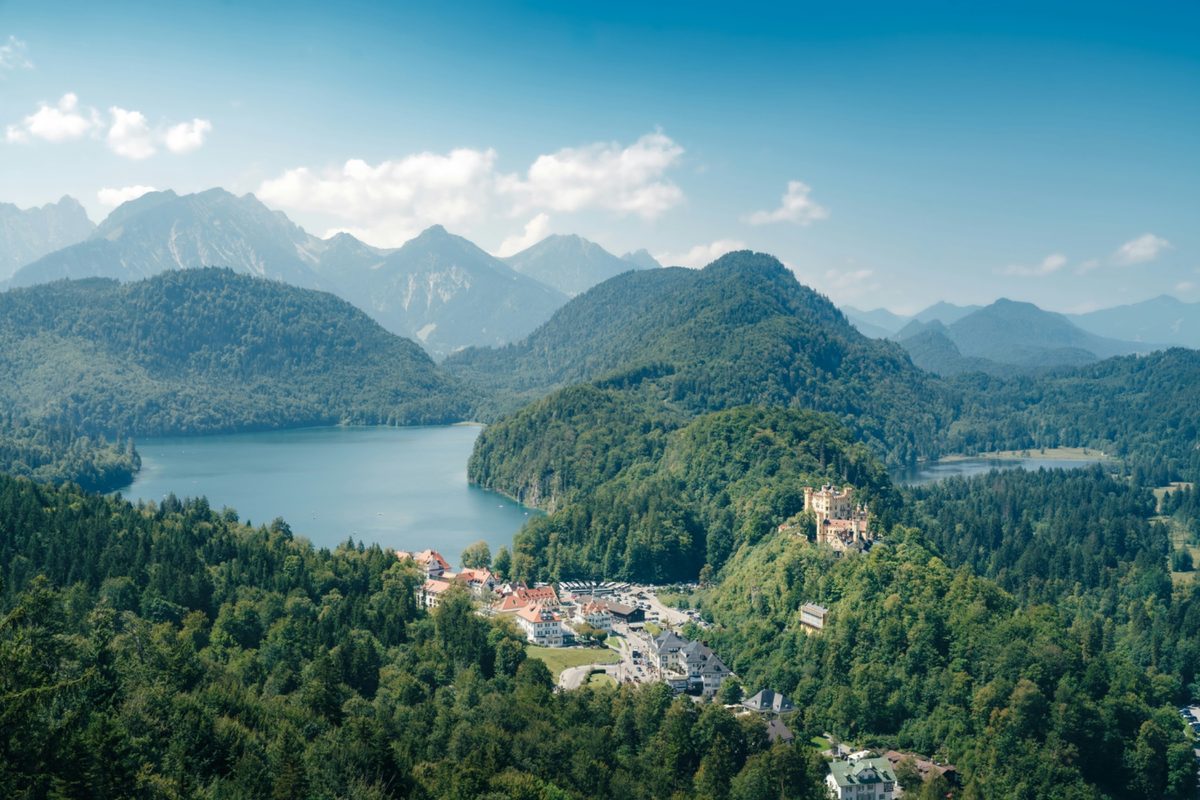
It is tempting to associate imperial history exclusively with grand residences and ceremonial buildings, but its influence reaches much further. Administrative systems, languages, religious institutions, railway networks and commercial routes were all shaped by the political structures that governed Central Europe. Vienna’s coffeehouse culture, Prague’s historic university traditions, Bratislava’s multilingual past and Munich’s Bavarian customs each developed within broader networks of influence. None of these cities can be understood entirely through the history of the nation they belong to today.
Borders Are Part of the Story
Central Europe’s borders have repeatedly changed as kingdoms dissolved, empires expanded and contracted, and new states emerged. The twentieth century alone transformed the political map through two world wars, the collapse of the Austro-Hungarian Empire, the creation and later division of Czechoslovakia, and the reunification of Germany. For travellers, this history helps explain why neighbouring capitals can feel culturally connected while still having such distinct identities. Similar architectural styles may appear in several cities, yet local languages, traditions and memories give each place its own character.
Seeing History Without Turning the Trip Into a Lecture
The best way to explore this history is often through a mixture of major landmarks and smaller observations. A palace explains the ambitions of a dynasty, while an old railway station can reveal the growth of industrial society. A memorial can introduce a difficult chapter, and an ordinary residential street may show how the city changed after the empire disappeared. Museums can provide essential context, but there is value in simply walking between historical districts. Once the broad chronology is understood, buildings that might otherwise seem decorative begin to reveal something about the political and social forces that shaped them.
Conclusion
Vienna, Bratislava, Prague and Munich demonstrate how closely Central Europe’s capitals remain connected to their imperial and regional pasts. Their histories cannot be reduced to a simple succession of rulers or borders. Each city contains several overlapping identities, shaped by dynasties, empires, national movements, conflict and cultural exchange. Travelling between them offers a chance to see those connections in geographical context. The borders may be clearer today, but the historical links running beneath them are still visible in architecture, traditions and the shape of the cities themselves.