South Korea has a reputation for K-pop, Korean food, futuristic cities and ancient palaces, but there is considerably more to the country than its most recognisable exports. Look a little closer and some surprisingly unusual details emerge, from a writing system designed with remarkable precision to cafés dedicated to animals and a capital surrounded by mountains. These quirks make travelling through the country even more interesting because many of them are woven into ordinary daily life.
Hangul Was Designed, Not Gradually Developed
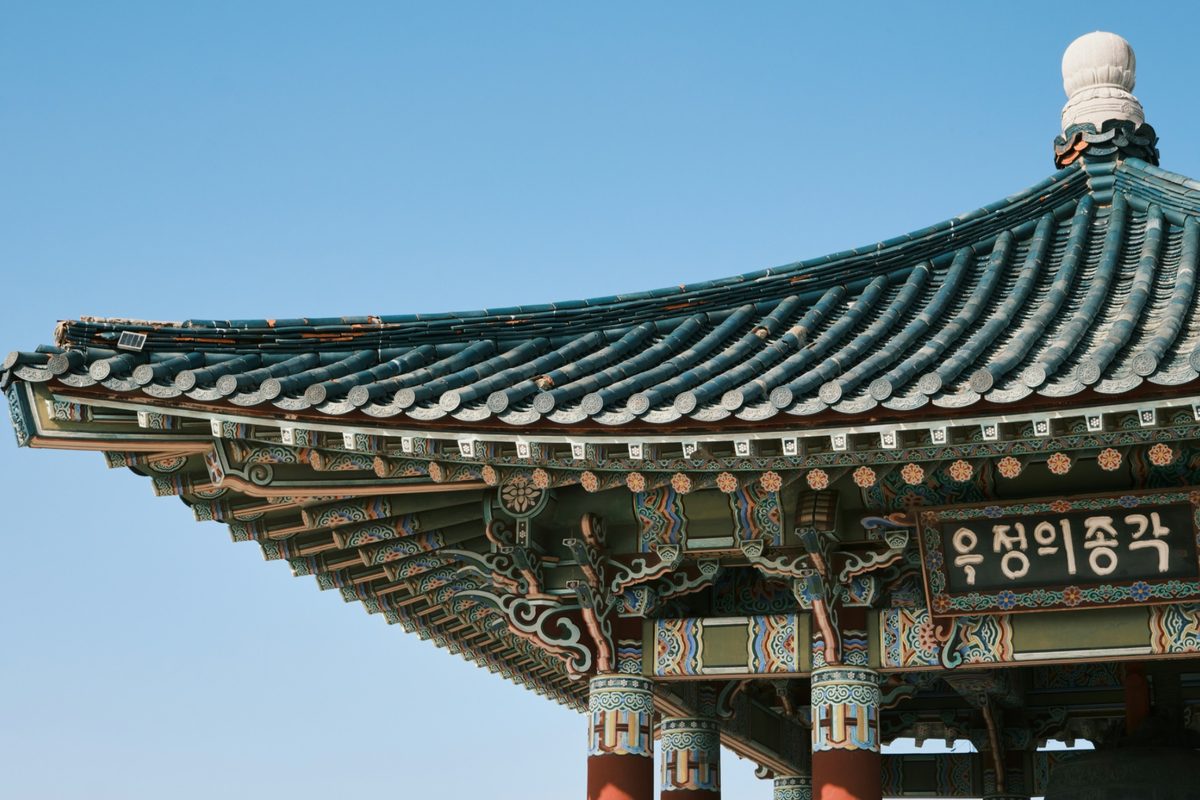
One of the most fascinating facts about South Korea concerns its alphabet. Hangul was introduced in the fifteenth century under King Sejong the Great, who wanted a writing system that ordinary people could learn more easily than the complex Chinese characters traditionally used in Korea. The letters were deliberately structured around the shapes made by the mouth and tongue when producing certain sounds, giving the system a remarkably logical foundation. The result is an alphabet that can look unfamiliar at first but becomes much easier to understand once its principles are explained. South Korea celebrates Hangul Day each year, reflecting how important the writing system remains to national culture and identity.
Seoul Has Mountains Inside the City
Seoul is one of Asia’s major megacities, yet it is not simply a landscape of skyscrapers and busy roads. Mountains surround and penetrate the capital, creating striking contrasts between dense urban districts and forested slopes. Bukhansan, in the northern part of the city, is particularly popular with hikers and has trails that can make the urban environment feel surprisingly distant. This makes Seoul an unusual destination for travellers who like both city life and outdoor activities. It is possible to spend the morning exploring a palace or shopping district and be walking through a mountain landscape later the same day. The contrast is one of the capital’s less obvious pleasures.
High-Speed Trains Cross the Country
South Korea’s rail network makes exploring beyond Seoul relatively easy, particularly on the high-speed KTX services. The journey to Busan is one of the country’s best-known rail connections, crossing much of the peninsula in only a few hours. The Seoul to Busan train is therefore more than a convenient way to change cities. It gives visitors an efficient route from the capital’s dense urban landscape to one of the country’s major coastal destinations. Busan has its own distinct personality, with beaches, seafood markets, colourful hillside neighbourhoods and a major port shaping the city. The contrast between the two destinations makes travelling between them particularly worthwhile for first-time visitors.
South Korea Has a Special Culture of Convenience Stores
Convenience stores in South Korea are much more than places to buy emergency snacks. Chains such as CU, GS25 and 7-Eleven are deeply integrated into everyday life, and many branches function as informal spaces for eating, resting and meeting friends. Some locations have tables where customers can sit down with instant noodles or ready-made meals, while microwaves and hot-water dispensers make quick food surprisingly practical. You may also find everything from packaged Korean dishes to coffee, desserts and unusual seasonal snacks. For travellers, these shops can be useful for inexpensive breakfasts, late-night food or simply trying products that are difficult to find elsewhere.
Busan Is More Than a Beach City
Busan is often introduced through Haeundae Beach, but the country’s second-largest city has much more going on. Jagalchi Market is famous for its seafood, while Gamcheon Culture Village is known for colourful buildings climbing the hillside. The city also has temples, mountains, coastal walks and neighbourhoods with a strong local character. Its location beside the sea has influenced everything from cuisine to industry. Busan is one of South Korea’s most important ports, and its maritime identity is visible throughout the city. Travellers who move beyond the best-known beach areas quickly discover a much broader destination.
The Return Journey Can Feel Completely Different
Travelling back towards the capital on the Busan to Seoul train provides another chance to see how quickly the landscape changes. Coastal scenery gives way to agricultural areas, smaller towns and increasingly dense urban development as the train approaches Seoul. This compact geography is one of the advantages of travelling around South Korea. Distances that might require domestic flights in larger countries can often be covered comfortably by rail, allowing visitors to experience several very different parts of the country during a relatively short holiday.
South Korea Has Some Remarkably Themed Cafés
Coffee culture has become a major part of urban life, particularly among younger Koreans, but the café scene goes far beyond conventional coffee shops. Seoul and other cities are known for themed cafés where the setting can be as important as the menu. There are animal cafés, character-inspired interiors, board-game cafés and highly designed dessert shops. Some focus on a particular aesthetic, while others create spaces intended for socialising, studying or simply taking photographs. The popularity of these venues reflects a wider Korean interest in turning everyday activities into distinctive experiences.
Ancient Traditions Sit Beside Ultra-Modern Technology
South Korea’s technological reputation can sometimes overshadow its historical depth. In Seoul, however, a modern office tower can stand surprisingly close to a centuries-old palace. Gyeongbokgung Palace, traditional hanok neighbourhoods and historic gates provide reminders of the Joseon period, while nearby districts contain some of the country’s most advanced retail and technology businesses.
The contrast is not necessarily seen as contradictory. Traditional clothing, food, architecture and ceremonies continue to exist alongside highly connected urban lifestyles. Travellers can therefore encounter centuries-old customs without leaving one of Asia’s most technologically sophisticated societies.
Kimchi Is More Than One Dish
Kimchi is often treated as a single food, but the term covers a huge variety of fermented vegetables prepared using different ingredients and methods. Cabbage is perhaps the best-known version, yet radish, cucumber and other vegetables are also used. Kimchi’s importance goes beyond flavour. Fermentation has deep roots in Korean food culture, and preparing large quantities for the colder months became an important seasonal tradition. The communal preparation of kimchi, known as kimjang, has even been recognised by UNESCO as part of the intangible cultural heritage associated with Korean food traditions.
South Korea Has Its Own Unique Age Traditions
Korean age customs have historically differed from the system used in many other countries. Traditionally, babies were considered one year old at birth, and everyone gained another year of age at the start of the lunar New Year. This meant that people born close together could be considered different ages under traditional Korean counting. South Korea has moved towards the international age system for many official purposes, but the older conventions remain an interesting part of the country’s social and cultural history. It is a good example of how customs can survive even as everyday systems change.
A Country of Contrasts
Perhaps the most interesting fact about South Korea is how many apparent contradictions coexist comfortably. Ancient palaces sit near glass towers, mountain trails begin within a sprawling capital, traditional markets operate alongside cutting-edge shopping districts, and centuries-old food traditions remain part of modern urban life. That combination is what makes the country so rewarding to explore. The famous elements of Korean culture may be what first attract visitors, but it is often the smaller details, from convenience-store meals to mountain views and unusual cafés, that make the experience memorable.
Conclusion
South Korea is a country where curiosity tends to be rewarded. Its history, technology, food, transport and everyday customs contain plenty of surprises that do not always make the standard list of attractions. From the deliberate design of Hangul to the mountains surrounding Seoul and the distinctive character of Busan, these details reveal a destination that is considerably more varied than its international image might suggest. The more closely you look, the more there is to notice, and many of the country’s most interesting features are simply part of everyday life.