
A Spain holiday can look affordable when the flight is the first number on the spreadsheet. Then accommodation, trains, meals, museum tickets, airport transfers and the occasional spontaneous drink begin adding up. Working out the likely daily cost before travelling makes it much easier to enjoy the country without constantly checking your bank balance. The good news is that Spain can be adapted to very different budgets. A traveller staying in a basic guesthouse and eating at local cafés will have a completely different daily spend from someone booking boutique hotels and dining at destination restaurants. The important thing is to understand where the biggest differences occur.
Accommodation Will Usually Take the Biggest Slice
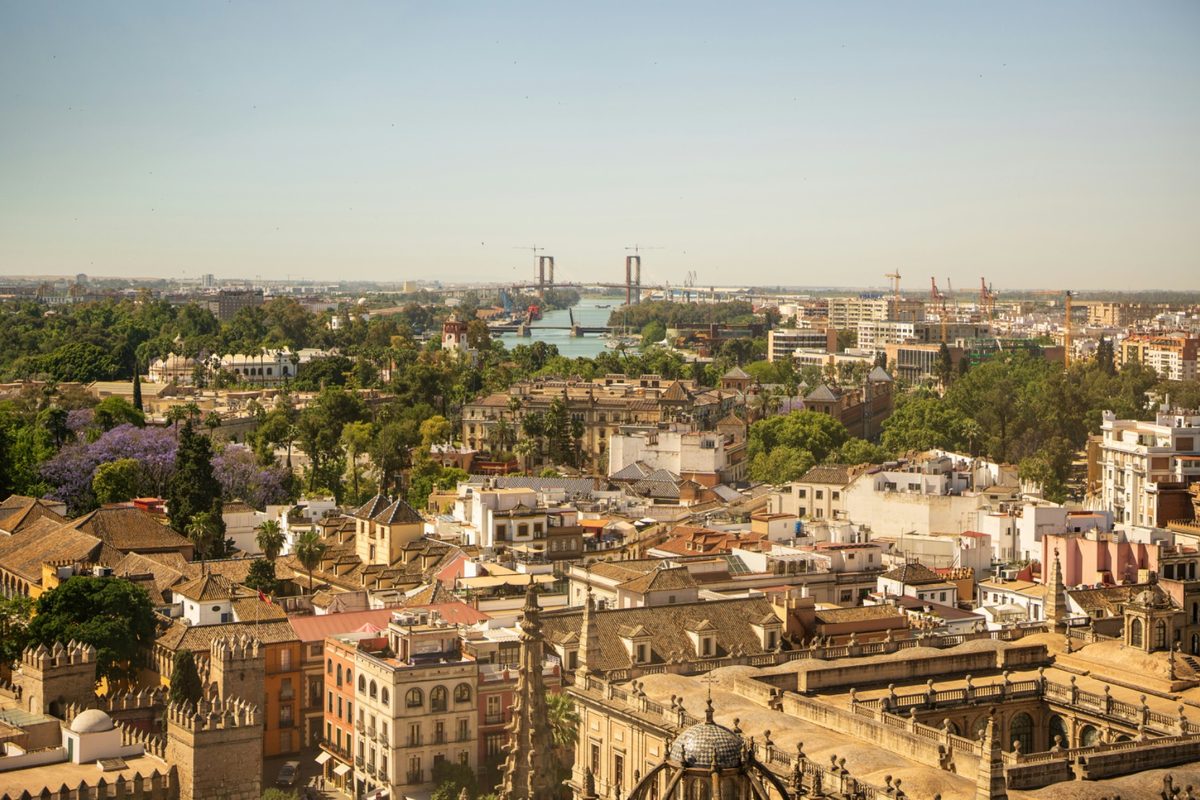
Where you sleep has a major effect on the overall cost of a Spain trip. Madrid and Barcelona tend to command higher prices, particularly around major events and during popular travel periods, while smaller cities and inland destinations can be considerably easier on the wallet. Location matters too. Staying slightly outside the most tourist-heavy areas can reduce the nightly rate without necessarily making the holiday inconvenient. For longer trips, it can be worth mixing accommodation styles. Spend more on a well-located hotel for a couple of nights in a major city, then choose a simpler property elsewhere. Apartments can also make financial sense for longer stays, particularly when having a kitchen means breakfast or a few simple meals do not have to come from restaurants.
Rail Travel Needs Its Own Budget
Spain’s high-speed rail network makes travelling between major cities relatively straightforward, but the cost can vary depending on when tickets are purchased, the operator and the type of fare selected. Travellers covering several destinations should calculate transport as part of the main holiday budget rather than treating each ticket as a separate expense. The Madrid to Malaga train is a useful example of how rail can shape a trip. Instead of paying for another flight and dealing with airport transfers, a rail journey can connect the capital with Andalusia while leaving you in the centre of your destination. Booking ahead can also make longer journeys easier to fit into a fixed budget.
Food Can Be Cheap, Expensive or Somewhere in Between
Spain is one of the easier European destinations for travellers who enjoy eating well without spending heavily. A simple breakfast from a bakery or café can be inexpensive, while a midday menu del día can provide several courses at a price that would be difficult to match at a more formal restaurant. Evenings offer much more variation. Tapas bars, neighbourhood restaurants and market food can keep spending under control, whereas high-end dining can quickly become one of the largest costs of the trip. There is no need to eat cheaply all the time. Alternating between casual meals and one or two memorable dinners can create a better balance than trying to stick to the same spending level every day.
Think Carefully About Intercity Transport
Moving between destinations is another area where a little planning can save money. The train from Madrid to Barcelona can be particularly useful for travellers combining Spain’s two major cities, with the journey connecting their central areas rather than requiring the additional transfers associated with flying. It is worth comparing transport options before finalising an itinerary, but price should not be the only consideration. A slightly cheaper connection may involve awkward departure times or lengthy transfers that effectively consume part of a holiday day. Paying a little more for a convenient journey can sometimes be better value when time is limited.
Museums and Attractions Add Up Quietly
Individual entrance fees rarely seem dramatic when considered separately. Several museums, historic buildings, guided tours and special exhibitions, however, can create a noticeable total by the end of the week. Before travelling, make a rough list of the paid attractions you genuinely want to visit and add their costs together. Many Spanish cities also have free attractions that can balance the budget. Public squares, markets, neighbourhoods, parks, beaches and architectural walks can provide some of the most enjoyable hours of a trip without requiring a ticket. Researching free-entry periods for major museums may also help, although these times can be busier.
Don’t Forget the Small Daily Expenses
It is often the little purchases that disappear from a travel budget. Coffee, bottled water, snacks, metro tickets, taxis, beach equipment and the occasional supermarket stop may each cost relatively little, but several days of small transactions can add up. A daily allowance for miscellaneous spending is therefore useful. It gives you room for an unplanned pastry or an extra drink without having to take money from the accommodation or transport budget. Keeping a small amount of cash available can also be useful in places where cards are not always the preferred payment method.
Consider the Season Before Booking
Travel dates can have a bigger impact on costs than many travellers expect. Summer tends to be particularly expensive in popular coastal destinations, while major cities can see price increases around festivals, sporting events and other busy periods. Shoulder seasons can provide a useful compromise, with milder conditions in many parts of the country and potentially more manageable accommodation rates. Weather should still influence the decision. A cheaper trip is not necessarily better value if the conditions make it difficult to enjoy the activities you planned. Look at the regions you intend to visit rather than assuming Spain has the same climate everywhere.
Set a Daily Spending Limit, Not a Strict Holiday Total
A single overall figure can be difficult to manage because expenses rarely arrive evenly. One day might involve an expensive train ticket and a museum, while another could consist mainly of walking, inexpensive meals and free sights. A daily target is more flexible. Set separate allowances for accommodation, food, transport and activities, then leave a small reserve for unexpected costs. If you spend less one day, the surplus can become room for a nicer meal or experience later in the trip.
Build a Buffer for the Unexpected
Even a carefully researched budget needs some breathing room. Prices can change, a taxi may become necessary after a long day, or an attraction might turn out to be more appealing than expected. There is also the possibility of needing to change a booking or pay a small fee that was not included in the original plan. A modest emergency buffer prevents these situations from becoming stressful. It is better to return home with unused travel money than to spend the final few days trying to recover from an overly optimistic budget.
Spend More on What Matters to You
The most useful Spain budget is not necessarily the cheapest one. It is the one that reflects your priorities. Someone passionate about food may happily spend more on restaurants while choosing basic accommodation. Another traveller might care most about staying somewhere central and be perfectly content with inexpensive meals. Deciding these priorities before booking helps avoid spending heavily on things that do not matter while leaving too little for experiences you were genuinely excited about. Spain gives travellers plenty of room to make those choices.
Conclusion
Planning the cost of a Spain trip involves much more than finding an affordable flight. Accommodation, rail journeys, food, attractions and everyday spending all shape the final figure, while the season and choice of destinations can move it considerably in either direction. A realistic budget should leave space for both planned experiences and the occasional spontaneous decision. Once those costs are understood, it becomes much easier to enjoy Spain for what it is, rather than spending the holiday worrying about what every day is costing.