
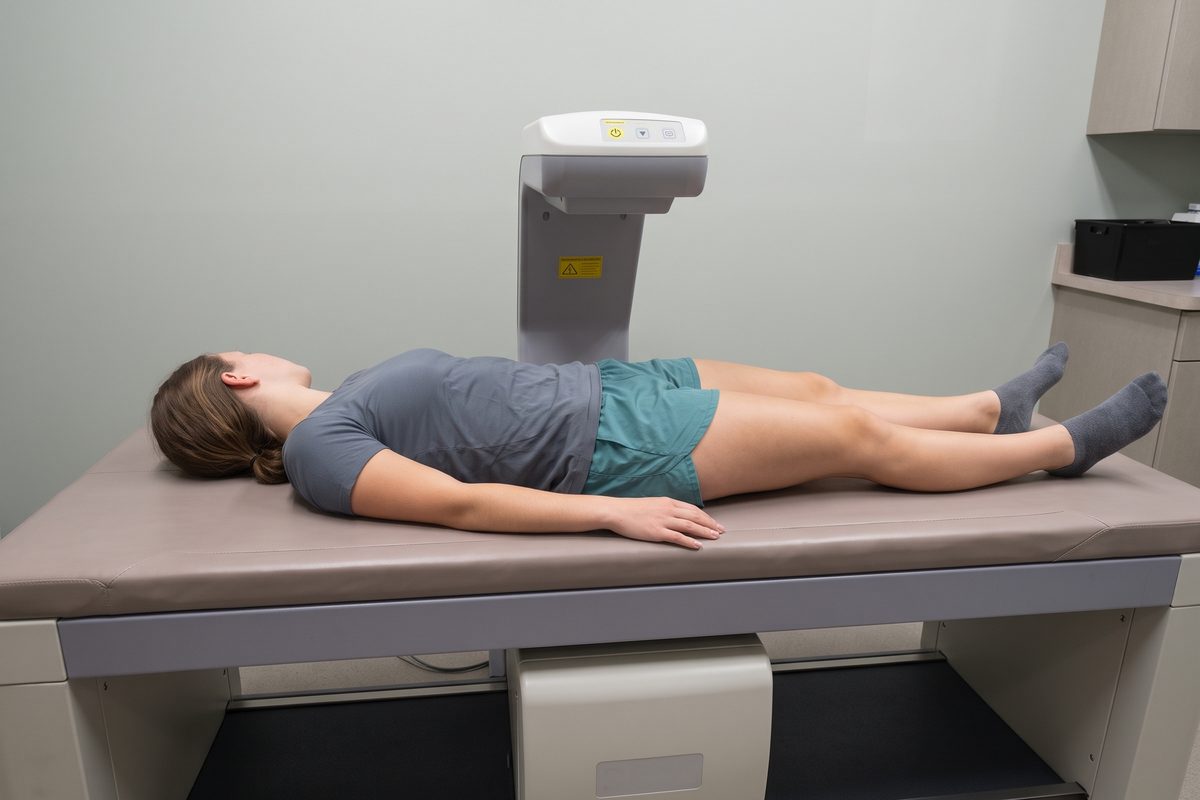
Dual-energy X-ray absorptiometry (DEXA) scans for athletes measure your muscle, fat and bone separately, which bathroom scales cannot do. During a long training block, for example, the number on the scales can barely move while your times improve. Or it drops, and your legs still feel flat on most runs.
Most athletes who look into scanning want to know one thing: whether their training and eating are building the body they need for their sport. Weight alone cannot answer that, because it does not separate muscle from fat or show your bones. A DEXA scan can answer it by showing where the changes are happening, so you can adjust your plan with better information.
In this article, we will cover how a DEXA scan works, what it can show, what a good body fat percentage looks like, how athletes can use the results, how often to have a scan and how to prepare for one.
How Does a DEXA Scan Work?
A DEXA scan, a type of low-dose X-ray scan, works by passing two X-ray beams over you while you lie still on a padded table. Because bone, muscle and fat absorb each beam differently, the machine can tell the tissues apart and measure how much of each you have.
A whole-body DEXA scan, the type used to measure body composition, takes about 10 minutes. With check-in and a run-through of your results, the full visit lasts 20 minutes or longer. The radiation dose is also very low, at roughly the natural background radiation you receive in a day or less. That is why athletes can repeat the scan a few times a year.
What Can a DEXA Scan Show?
A DEXA scan can show your lean mass, fat mass and bone density in one session, each broken down by body region, such as the arms, legs and trunk:
- Lean mass – the weight of your muscle and other non-fat tissue, including how it compares between your left and right sides.
- Fat mass – your total body fat percentage and where the fat is stored. Many machines also estimate visceral fat, the fat stored around the organs in your abdomen.
- Bone density – how dense your bones are, which is one measure of bone strength.
Because the results come split by region, a scan can show changes that a single body fat number would hide. For example, a runner might gain muscle in the legs while losing a little in the upper body during a high-mileage block.
What Is a Good DEXA Scan Body Fat Percentage?
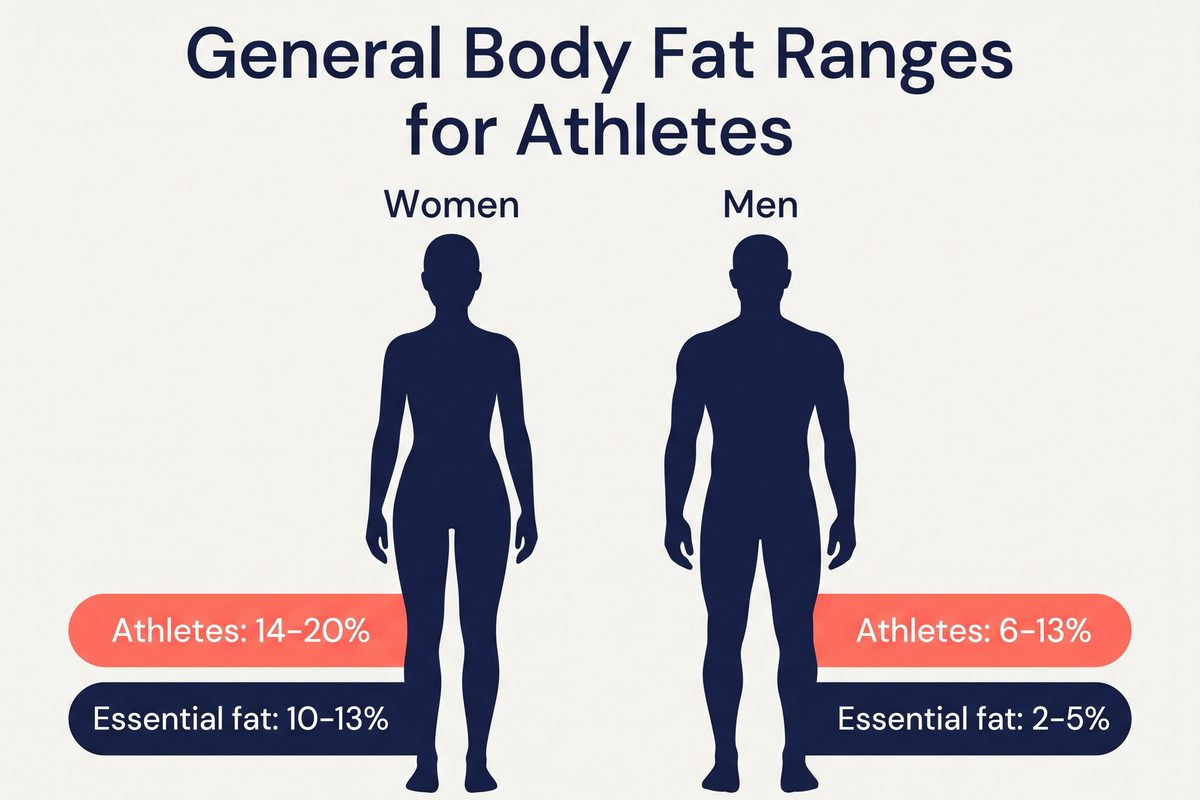
A good DEXA scan body fat percentage for athletes is around 14 to 20% for women and 6 to 13% for men, based on widely used general ranges. Essential fat, the minimum the body needs to function, sits at about 10 to 13% for women and 2 to 5% for men.
Body fat ranges like these are a guide, though, not a target. DEXA readings can differ from skinfold callipers or smart scales, so your own scans, compared over time, are more useful than a chart. And lower is not always better. Body fat that drops too far, especially when you are not eating enough for your training, can affect your hormones, recovery and bone health.
How Can Athletes Use DEXA Scan Results?
Athletes can use DEXA scan results to guide training, nutrition and injury prevention, especially when they compare one scan with the next.
- Training – differences in lean mass between your left and right legs, or a drop in muscle in one area, can show where strength work would help. Imbalances are common after an injury, when one side has carried more load.
- Nutrition – losing lean mass during a hard training block can be a sign that you are not eating enough protein or total energy. A sports dietitian can help you adjust your intake around your results.
- Bone health – runners and other endurance athletes usually have strong bones from regular impact. But when athletes eat too little for the energy they burn, bone density can fall and the risk of stress fractures can rise. A low result is worth discussing with a sports doctor.
The results are most useful when a coach, dietitian or doctor helps you read them alongside your training history.
How Often Should You Get a DEXA Scan?
You should usually get a DEXA scan for body composition every 8 to 16 weeks during a focused training or nutrition phase. That gap gives your body enough time to change, and it makes small shifts in the results easier to trust.
Outside those phases, a scan every 6 to 12 months is often enough to track long-term trends. Bone density changes more slowly than muscle or fat, so a bone check needs a longer gap, often a year or more. For most athletes, a useful pattern is one scan at the start of a season and another near its end.
How Do You Prepare for a DEXA Scan?
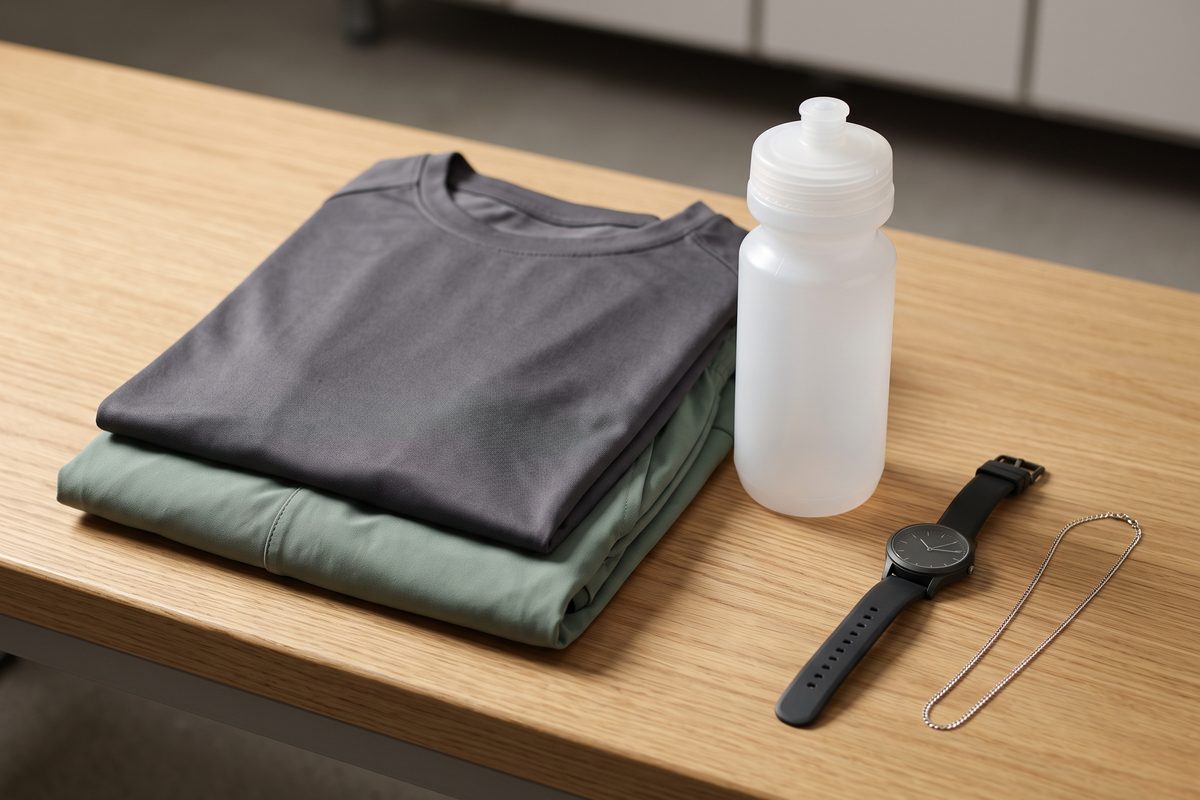
You prepare for a DEXA scan mainly by keeping your routine the same before every scan, so that the results compare fairly. These steps help:
- Skip hard exercise – avoid strenuous training for at least 12 hours before the scan, because a hard session shifts fluid into your muscles and can change the readings.
- Time your meals – avoid eating for about three hours beforehand, and drink water as you normally would.
- Wear metal-free clothing – zips, buttons, underwire and jewellery can affect the scan, so choose plain sportswear.
- Match each visit – book at the same time of day, and use the same machine where you can, since different machines can give slightly different readings.
If a bone density scan is part of your visit, you may also be asked to stop calcium supplements for 24 hours beforehand. Either way, tell the staff if you are pregnant or have recently had a scan using contrast dye.
Above all, follow the pre-scan instructions from your doctor or clinic, since they can vary between clinics.
Final Thoughts: Know Your Body, Train Smarter
Your weight alone says little about how training is changing your body, but a DEXA scan can show whether you are building muscle, carrying the right amount of fat and keeping your bones strong. With a coach, dietitian or doctor to help you read the results, you can adjust your training and eating with more confidence.
Because the scan uses a very low dose of radiation, you can repeat it every few months if you need to, such as at the start and end of a season. Over time, those scans show your body adapting to the work you put in, and give you a clear starting point for your next goal.