
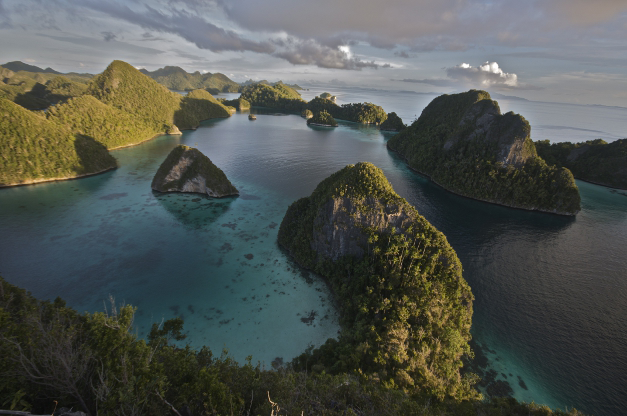
Exploring remote marine destinations requires more preparation than an ordinary beach holiday. Once you leave the mainland behind, access to medical facilities, reliable communications and everyday supplies can become limited. Whether you’re planning a diving expedition in Indonesia’s Banda Sea, sailing through the Maldives’ outer atolls or exploring the remote fjords of Chilean Patagonia, understanding the practical challenges beforehand can make a significant difference to your trip.
Planning starts with choosing a suitable vessel, researching transport connections and understanding the weather conditions in your chosen destination. You’ll also need to consider essential equipment, travel insurance and emergency arrangements, particularly when exploring areas far from major ports. This guide covers the key steps involved in organising a remote marine expedition, helping you prepare for the journey and handle unexpected situations with greater confidence.
Liveaboard or Dive Lodge? Choosing How You’ll Live on the Water
Choosing between a liveaboard and a dive lodge can make a big difference to your experience, particularly in remote destinations like Raja Ampat in Indonesia. Land-based accommodation on islands including Kri and Misool allows divers to explore nearby reefs while returning to their rooms each evening. Some resorts also have house reefs accessible directly from shore. However, reaching more distant dive sites often involves longer boat transfers, so it’s important to check which locations can realistically be visited during your stay.
Liveaboards are better suited to exploring several parts of an archipelago without returning to the same island each day. Vessels can travel between regions overnight, allowing guests to wake up closer to their next dive site. For those choosing a Raja Ampat yacht charter, comparing itineraries is essential, as shorter trips may focus on the Dampier Strait while longer voyages can include the remote reefs of Misool. Check whether the vessel is equipped for diving, as not every private yacht charter includes a full diving programme.
Life aboard also requires some practical preparation. Cabins may be shared or private, depending on the vessel, while meals and dive schedules usually follow a set routine. Before booking, check the number of divers assigned to each guide, equipment storage, camera facilities and whether nitrox is available for certified users. Freshwater supplies, charging facilities and emergency oxygen equipment are also important considerations.
Getting to the Boat: Domestic Flights, Ferries and Harbour Transfers
Reaching a remote expedition departure point often involves several transport connections, so researching the route is essential before booking. In Indonesia, Sorong is the main departure point for many Raja Ampat liveaboards, with domestic flights available from Jakarta and Makassar. Expeditions to Komodo National Park usually depart from Labuan Bajo on Flores, which has flight connections with Bali and Jakarta. Once you arrive, you’ll need to arrange transport to the harbour or designated boarding point, preferably through your vessel operator. Where a ferry connection is necessary, check departure times, luggage restrictions and the correct boarding terminal before travelling.
Arriving at least a day before departure gives you some flexibility if flights are delayed or luggage goes missing. An overnight stay also provides time to check your diving equipment, purchase forgotten supplies and confirm the boarding arrangements with your crew. Ask whether the operator provides airport transfers and where passengers should meet, as some vessels depart from smaller jetties and not the main harbour. It’s also sensible to confirm your diving qualifications, medical documentation and any equipment rental requirements before leaving home.
Baggage allowances vary between domestic airlines, particularly on routes involving smaller aircraft. Diving equipment can quickly add weight, so check the allowance on every flight and arrange additional baggage in advance if necessary. Pack regulators, masks and other delicate equipment securely, and protect underwater camera housings against damage during transfers.
Planning for Emergencies Far From a Recompression Chamber
Remote diving destinations can be hours away from hospitals and specialist medical facilities, making emergency planning an essential part of any expedition. In Indonesia’s Raja Ampat, for example, a diving accident may require evacuation to Sorong or another medical centre equipped to provide appropriate treatment. Recompression chamber availability can change depending on staffing and operating hours, so it’s important to confirm the nearest suitable facility before departure. Even a relatively straightforward medical emergency can become complicated when transport depends on sea conditions and limited communications.
Before boarding, ask the operator about its emergency procedures and available safety equipment. A properly equipped diving vessel should carry emergency oxygen, first-aid supplies and reliable communication equipment, with crew members trained to respond to diving incidents. Marine radios and satellite communication devices are particularly important when mobile coverage is unreliable. Check how the crew would contact emergency services, arrange evacuation and reach the nearest medical facility. An established emergency action plan is a useful indicator that the operator takes passenger safety seriously.
Travel insurance also deserves careful attention, particularly when diving or sailing far from shore. When arranging travel insurance for dangerous activities, check the policy’s limits for diving depth, offshore sailing, medical evacuation and recompression treatment. Some activities require additional cover, and exclusions can apply depending on your qualifications and planned activities. Confirming these details before departure can help avoid unexpected medical expenses and delays in arranging assistance.
What to Pack for a Week or More at Sea
Packing for a remote marine expedition requires more thought than an ordinary diving holiday. Saltwater, humidity and limited storage space can take a toll on equipment, while replacing damaged gear may be impossible once the vessel leaves port. Bring essential spares, including mask straps, fin buckles and suitable O-rings, along with a dive computer and torch if your itinerary requires one. A compact repair kit can help prevent minor equipment problems from disrupting several days of diving.
Even in tropical waters, repeated dives can leave you feeling cold, particularly during longer surface intervals or overnight crossings. A full wetsuit is generally more practical than a short one, although the appropriate thickness depends on water temperature and dive conditions. A lightweight windproof jacket is useful on deck, while quick-drying clothes and a spare towel help manage damp cabins. Check what the vessel supplies before packing, as towels, toiletries and some diving equipment may already be included.
Keep essential medication, prescription glasses, travel documents and valuable electronics in your cabin bag. Seasickness remedies, a waterproof dry bag, sun protection and a reusable water bottle are also useful additions. Soft-sided luggage is easier to store in smaller cabins, and a compact multi-port charger can reduce the number of electrical sockets you need. Confirm the vessel’s charging arrangements and battery restrictions before departure, particularly if you’re bringing underwater cameras and lighting equipment.
Reading Seasons, Currents and Weather Windows Before You Sail
Weather conditions can determine which parts of a remote archipelago are accessible during your trip. In Indonesia’s Raja Ampat, October to April generally brings calmer seas, making it a popular period for liveaboard expeditions. Stronger winds between June and September can make longer crossings more difficult, particularly around exposed southern islands. Conditions vary across the region, so travellers should check the seasonal patterns for their specific route rather than relying on a general forecast for Indonesia.
Komodo National Park follows a different seasonal pattern, with April to November generally favourable for diving across much of the northern and central park. The Banda Sea has narrower expedition windows, particularly September to November, when conditions are often better for longer open-water crossings. Before booking, check the operator’s planned route against seasonal wind patterns, swell forecasts and historical weather conditions. Allow some flexibility in your itinerary, as captains may need to change anchorages or dive sites when conditions deteriorate.
Currents are another important consideration, particularly around narrow channels and exposed reefs. In Komodo and Raja Ampat, tidal movements can create strong currents that require previous drift-diving experience. Carry a delayed surface marker buoy and suitable spool or reel, and make sure you know how to deploy them safely. Local dive guides should assess the conditions before each descent and select sites that match the group’s experience. If the current is stronger than you’re comfortable with, choosing an easier dive is always the better decision.
Where Would Your Expedition Take You?
A successful remote marine expedition starts with choosing the right destination and understanding what the journey involves. Whether you’re exploring Raja Ampat’s coral reefs, diving around Komodo or sailing through the Banda Sea, careful planning helps you make the most of your time on the water. Choosing a suitable vessel, allowing extra time for flight connections and checking emergency arrangements can prevent avoidable problems along the way.
Before booking, research the best season for your route, check your diving equipment and confirm that your travel insurance covers the activities you’ve planned. It’s equally important to choose an experienced operator who understands local conditions and takes safety seriously. With these essentials in place, you’ll be better prepared to enjoy the adventure and handle unexpected changes with confidence.