p,Some of the world’s most spectacular wilderness destinations lie far from major cities and established tourist routes. Reaching them may involve crossing remote mountain passes, spending days on the water, or trekking through vast stretches of uninhabited terrain. Yet the effort is rewarded with dramatic landscapes, exciting wildlife encounters, and the chance to explore places far removed from the usual tourist crowds.
p,However, journeys into these remote regions require careful preparation. Seasonal weather can restrict access, while limited transport connections and challenging terrain add to the logistics. Knowing when to visit, how to get there, and what to expect along the way is essential. This guide introduces five remarkable wilderness destinations, with practical advice to help you plan each adventure.
h,Spotting Penguin Colonies and Icebergs on the Antarctic Peninsula
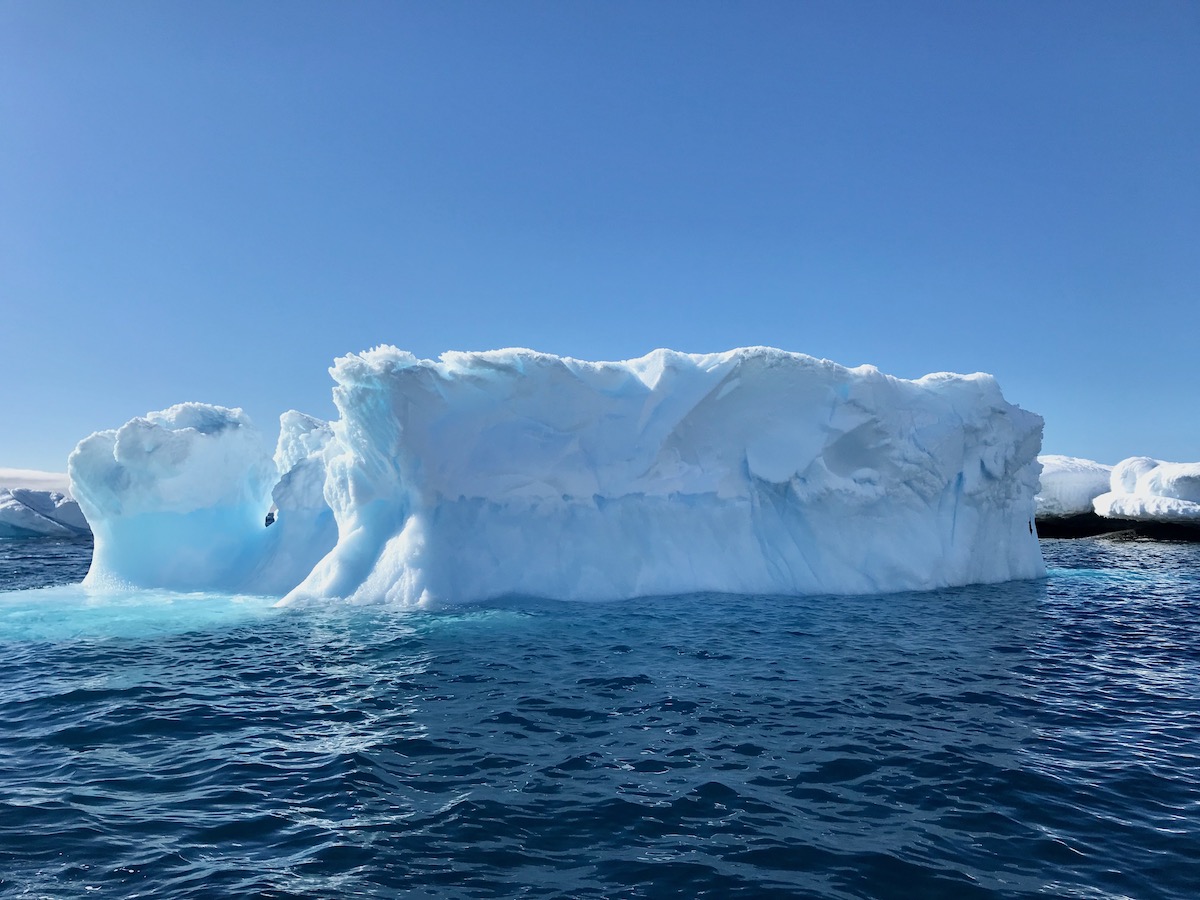
p,The Antarctic Peninsula is one of the world’s most remarkable wilderness destinations, where towering glaciers, enormous icebergs, and penguin colonies dominate the landscape. The Lemaire Channel is particularly spectacular, with steep, snow-covered mountains rising above narrow waters filled with drifting ice. Neko Harbour and Cuverville Island are known for their gentoo penguin colonies, while seals can sometimes be spotted resting on nearby ice floes.
p,Most Antarctic Peninsula expeditions depart from Ushuaia in southern Argentina, crossing the Drake Passage in approximately two days. Sea conditions can be unpredictable, so travellers should prepare for potentially rough crossings. Expedition vessels use smaller Zodiac boats to reach designated landing sites, where passengers can walk along rocky beaches and observe wildlife from a safe distance. However, landings depend on weather, ice conditions, and environmental regulations, so itineraries may change during the voyage.
p,The Antarctic expedition season generally runs from November to March, when longer daylight hours and reduced sea ice make coastal exploration more accessible. Vessel size is an important consideration for anyone comparing Antarctica cruises, particularly if spending time ashore is a priority. No more than 100 passengers may be ashore at a landing site at one time, while vessels carrying more than 500 passengers are not permitted to make Antarctic landings. Choosing a smaller expedition ship can therefore help maximise opportunities to explore the peninsula beyond the vessel itself.
h,Climbing 325-Metre Red Dunes in Sossusvlei, Namibia
p,Sossusvlei is one of Namibia’s most striking desert landscapes, where enormous red sand dunes rise above pale clay pans in Namib-Naukluft National Park. Big Daddy, commonly listed at around 325 metres high, is among the area’s tallest dunes and a challenging climb for adventurous hikers. Its steep sandy ridge overlooks Deadvlei, a white clay pan scattered with ancient, blackened camel thorn trees. Reaching the summit takes considerable effort, but the views across the surrounding dunes make the climb particularly rewarding.
p,Most visitors begin their journey in Windhoek, Namibia’s capital, before driving approximately five to six hours southwest to Sesriem, the gateway to Sossusvlei. Much of the journey follows gravel roads, so allow enough time for a comfortable drive. Staying inside the park’s outer gate allows access to the dune road an hour before sunrise, giving hikers an earlier start. From Sesriem, a paved road runs approximately 60 kilometres into the desert, followed by a final five-kilometre stretch of deep sand that requires a suitable four-wheel-drive vehicle or a shuttle transfer.
p,May to September generally brings cooler, drier conditions for exploring Sossusvlei, although early mornings can be surprisingly cold. Starting your climb shortly after sunrise helps you avoid the intense midday heat, particularly during the warmer months. Bring plenty of drinking water, sun protection, and comfortable footwear suitable for walking on loose sand. Big Daddy’s steep ascent can be physically demanding, so allow sufficient time for rest stops and the descent towards Deadvlei.
h,Hiking Beside the Alps’ Largest Glacier in Valais, Switzerland
p,Stretching for around 20 kilometres through the Bernese Alps, the Great Aletsch Glacier is the longest glacier in the Alps and a highlight of the UNESCO-listed Swiss Alps Jungfrau-Aletsch region. Its enormous river of ice winds between towering mountain peaks, with dark bands of rocky debris tracing the glacier’s movement. The viewpoints at Bettmerhorn and Eggishorn provide spectacular panoramas, while the alpine trail connecting them takes experienced hikers along a rugged ridge overlooking the ice. This demanding route requires surefootedness and a good head for heights.
p,Getting to the Aletsch Arena is relatively straightforward thanks to Switzerland’s extensive rail network. From Brig, take the regional train to Bettmeralp valley station, followed by a cable car to the car-free village of Bettmeralp. Another cable car takes visitors up to Bettmerhorn, where several hiking routes begin. Alternatively, travellers can reach the Eggishorn viewpoint by taking the train to Fiesch and continuing via Fiescheralp by cable car. Both routes provide access to the glacier’s dramatic scenery without requiring a lengthy ascent from the Rhône Valley.
p,July to September is generally the best period for high-altitude hiking, although lingering snow and changing mountain weather can affect trail conditions. Check route difficulty and cable car schedules before setting out, and carry appropriate hiking footwear, warm layers and waterproof clothing. The exposed ridge route between Bettmerhorn and Eggishorn is suitable only for experienced mountain hikers comfortable with steep terrain and exposed sections. If exploring the Aletsch Glacier is a priority, consider joining luxury hiking tours in Switzerland and ask whether a private itinerary can be arranged around the region’s glacier viewpoints and alpine trails.
h,Trekking to Mountain Gorillas in Bwindi Impenetrable Forest, Uganda
p,Bwindi Impenetrable National Park in southwestern Uganda is home to roughly half of the world’s remaining mountain gorillas. Trekking through its dense rainforest allows you to observe these endangered primates in their natural habitat, surrounded by towering trees, tangled vines, and steep, mist-covered slopes. Guided groups track habituated gorilla families, spending up to one hour watching them feed, rest, and interact. Visitors must maintain a safe distance and follow the rangers’ instructions to avoid disturbing the animals.
p,Reaching Bwindi usually involves a long drive from Entebbe International Airport, with travel times varying depending on your chosen trekking sector. Alternatively, domestic flights connect Entebbe with Kihihi and Kisoro airstrips, followed by road transfers to the park. The main trekking areas include Buhoma, Ruhija, Rushaga, and Nkuringo, so confirm where your permit is valid before arranging accommodation. Treks typically last between two and seven hours, with steep, muddy trails requiring reasonable fitness and sturdy hiking boots.
p,June to August and December to February generally bring drier conditions, making the forest trails easier to navigate, although rain is possible throughout the year. Gorilla trekking permits are issued by the Uganda Wildlife Authority and should be booked well in advance, particularly during popular travel periods. Foreign non-residents must arrange permits through a licensed tour operator, and each gorilla group is limited to eight visitors per day. With permits secured and transport organised, you’ll be better prepared for one of Africa’s most memorable wildlife experiences.
h,Riding Horseback to the Orkhon Waterfall in Central Mongolia
p,Mongolia’s Orkhon Valley is a vast landscape of open grasslands, volcanic rock formations, and winding rivers, where traditional herding communities continue to follow a seasonal way of life. One of its most striking natural attractions is Ulaan Tsutgalan, also known as Orkhon Waterfall, which drops approximately 20 metres into a rocky basalt gorge. The surrounding countryside is ideal for horseback exploration, with wide valleys, river crossings, and distant mountain views creating a memorable setting for an adventure on the Mongolian steppe.
p,Most journeys begin in Ulaanbaatar, followed by an overland drive to Kharkhorin, the former capital of the Mongol Empire. From there, reaching the waterfall involves several more hours on rough tracks, making a four-wheel-drive vehicle and experienced local driver advisable. Horseback excursions can be arranged with local guides, ranging from short rides to multi-day journeys through the valley. Travellers can also stay in traditional felt gers with local herding families, gaining insight into everyday life in this remote part of Mongolia.
p,June to September is generally the best period for exploring the Orkhon Valley, with July and August particularly suitable for horseback riding and visiting the waterfall. Its flow depends on rainfall, however, so the falls may be less impressive during dry periods. Pack warm layers, waterproof clothing, and comfortable riding footwear, as temperatures can change quickly even in summer.
h,Which Frontier Is Going on Your List?
p,Each of these five destinations takes you far from everyday comforts and into some of the world’s most remote landscapes. Exploring these places requires careful preparation, particularly when it comes to permits, transport and seasonal conditions. Planning ahead can make even the most challenging journeys more manageable.
p,Consider your fitness level, available time and the type of terrain you want to explore. Once you’ve chosen your destination, research the best time to visit and work out how to reach the starting point of your adventure.