
Swedish meatballs have become almost shorthand for Scandinavian food, helped along by furniture-store cafés and a steady stream of travel photos. They deserve their place on the table, usually served with creamy gravy, potatoes and tart lingonberry jam, but they barely scratch the surface of what the region has to offer. Denmark, Norway and Sweden each have distinct food traditions shaped by their coastlines, forests, farmland and long winters. Eating well in Scandinavia is often about paying attention to the ingredients rather than looking for elaborate dishes. Fresh fish, shellfish, rye bread, berries, mushrooms, dairy and carefully preserved foods appear in different forms across the region. A good trip can be planned around markets, bakeries and neighbourhood restaurants just as easily as around museums and scenic viewpoints.
Denmark: Make Lunch the Main Event
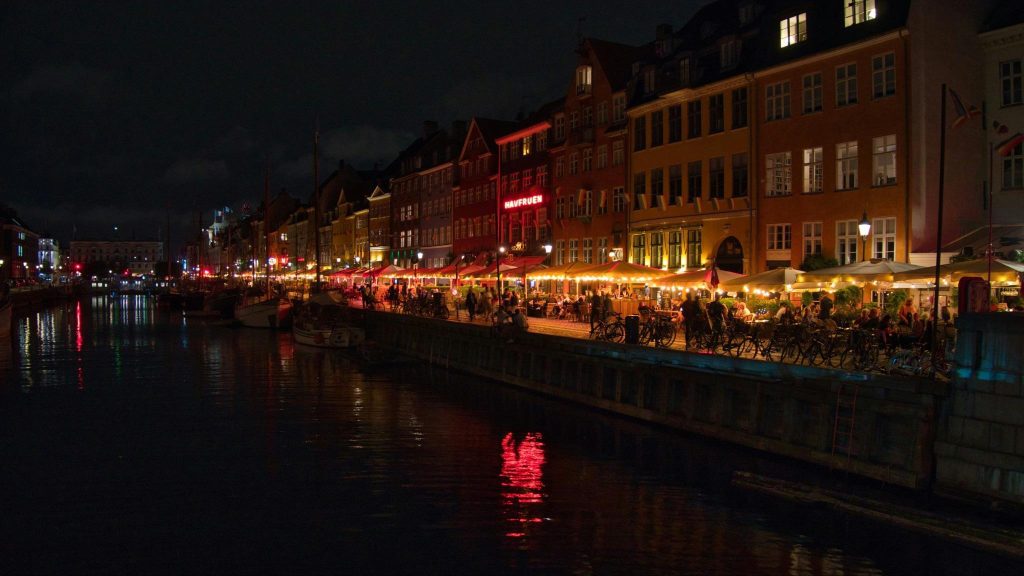
Copenhagen is a particularly good place to begin because Danish food culture has plenty of character beyond restaurant tasting menus. Start with smørrebrød, the open sandwiches built on dense slices of rye bread known as rugbrød. The toppings can be surprisingly elaborate: pickled herring with onion, prawns with egg and dill, roast beef with crispy onions, or fried fish with remoulade. It is worth ordering a couple of different varieties rather than settling for one, as the contrasts between salty, sharp, creamy and crunchy ingredients are part of the appeal. Copenhagen’s bakeries are another reason to leave room in the day. Try a cardamom bun, a cinnamon swirl or a classic wienerbrød, the flaky pastry that inspired what many visitors simply call a Danish. If you are travelling onwards, the train from Copenhagen to Stockholm makes it possible to continue the food-focused trip in Sweden without flying, although it is worth allowing enough time to enjoy Copenhagen before departure.
Sweden: Herring, Potatoes and the Pleasure of Fika
Swedish food is often hearty, seasonal and built around ingredients that could be stored through colder months. Pickled herring is one of the clearest examples. It appears in several flavours, from mustard and onion to sweeter vinegar-based marinades, and is commonly served with boiled potatoes, sour cream, chives and crispbread. It is especially associated with celebrations such as Midsummer, Easter and Christmas, but visitors can find it on restaurant menus throughout the year. Another dish worth seeking out is gravad lax, salmon cured with salt, sugar and dill. Usually served in thin slices with a mustard and dill sauce, it makes a lighter alternative to fried or smoked fish. For a more substantial meal, try kroppkakor, potato dumplings filled with onion and pork, often accompanied by butter and lingonberry jam. Regional versions differ, so the dish may not look exactly the same from one part of Sweden to another. Stockholm is a convenient place to sample these classics, but food lovers should also consider travelling west. The Stockholm to Gothenburg train connects the capital with Sweden’s second city, where the maritime setting brings seafood into sharper focus. Gothenburg is particularly associated with prawns, oysters, mussels and fish dishes, making it a rewarding stop for anyone keen to explore the country’s coastal cooking. Don’t leave Sweden without experiencing fika. More than a coffee break, it is a familiar social ritual built around taking time to sit down with a drink and something sweet. A cinnamon bun, or kanelbulle, is the obvious choice, but cafés also serve cardamom pastries, small biscuits and seasonal cakes. It is an easy tradition to adopt, especially when a busy day of sightseeing calls for a pause.
Norway: Seafood, Brown Cheese and Mountain Cooking
Norwegian food has a strong connection to the sea, although the country’s inland regions have their own traditions. In coastal towns, look for fish soup, fresh prawns, cod and salmon. Bergen is particularly well known for its seafood, and a bowl of creamy fish soup makes a satisfying lunch after a walk around the harbour. Stockfish, traditionally dried cod, is another important part of Norwegian food heritage, particularly in the north, where preservation methods developed out of necessity. For something distinctly Norwegian, try brunost, a caramel-coloured brown cheese with a sweet, slightly tangy flavour. It is usually sliced thinly and served on bread or crispbread, sometimes with jam. The taste can be unexpected if you are used to conventional cheeses, but it is worth trying at breakfast rather than judging it from the description alone. In the colder months, traditional dishes become more substantial. Fårikål, a slow-cooked stew of lamb and cabbage, is a classic autumn meal, while game such as reindeer appears on menus in northern Norway. These dishes reflect the country’s varied landscape, where coastal fishing communities and inland farming regions have developed quite different ways of cooking.
New Nordic Cuisine: Traditional Ingredients with a Modern Touch
Scandinavia’s reputation as a food destination is not based solely on its traditional dishes. Copenhagen, in particular, helped put New Nordic cuisine on the international map. The approach places emphasis on seasonal produce, local ingredients and techniques such as fermenting, curing and preserving. Rather than relying on imported ingredients to create elaborate menus, chefs often look to the surrounding landscape for inspiration. You do not need to book an expensive tasting menu to experience this influence. Restaurants, bakeries and food markets across the region increasingly showcase local vegetables, seafood, berries and grains in contemporary ways. You might find roasted root vegetables with a sharp berry dressing, smoked fish paired with fresh herbs or desserts featuring sea buckthorn. These combinations can feel unfamiliar at first, but they offer a different perspective on ingredients that have been part of Nordic cooking for generations. It is also worth remembering that Scandinavian food is not one single cuisine. Denmark has its rye bread and elaborate open sandwiches, Sweden has its preserved fish and farmhouse cooking, while Norway’s coastal traditions place seafood firmly in the spotlight. Even within each country, regional specialities vary considerably.
How to Eat Well Without Spending a Fortune
Scandinavia has a reputation for expensive dining, and restaurant bills can certainly add up. One useful approach is to make lunch the main restaurant meal, as some establishments offer more affordable daytime menus. Food halls and markets are also good places to sample several local dishes without committing to a formal dinner. In Copenhagen, Stockholm, Oslo and Gothenburg, bakeries provide convenient breakfasts, while supermarkets are useful for picnic supplies and simple evening meals. Look beyond the most obvious tourist streets, too. Neighbourhood cafés and smaller restaurants often provide a more relaxed introduction to everyday eating. Try local specialities when they are in season, ask about regional dishes and do not overlook simple food such as rye bread, fresh cheese or a well-made pastry.
A Scandinavian Food Trip Worth Taking Slowly
The best way to explore Scandinavian cuisine is to approach each country with an appetite for its differences. Order smørrebrød in Denmark, try pickled herring and fika in Sweden, then make time for Norwegian seafood and traditional mountain dishes. You will come away with a much broader impression than a meatball-based itinerary could ever provide. Food also gives a useful reason to slow down between destinations. A bakery stop, a long lunch or an evening spent trying local fish can become just as memorable as the major sights. In Scandinavia, some of the most rewarding travel experiences happen at the table, one regional speciality at a time.