Lanzarote may have the beaches and warm weather you expect from the Canary Islands, but its rugged side makes it particularly rewarding when you want to stay active. Volcanic eruptions have shaped much of the terrain, leaving lava fields, craters and a coastline that invites you to spend more time outdoors. You can start your morning among black volcanic rock and finish it beside the Atlantic. The island also works well when you are new to outdoor activities, as guided experiences let you try something unfamiliar without needing to arrive with specialist skills or equipment.
1. Explore Lanzarote’s Volcanic Landscape
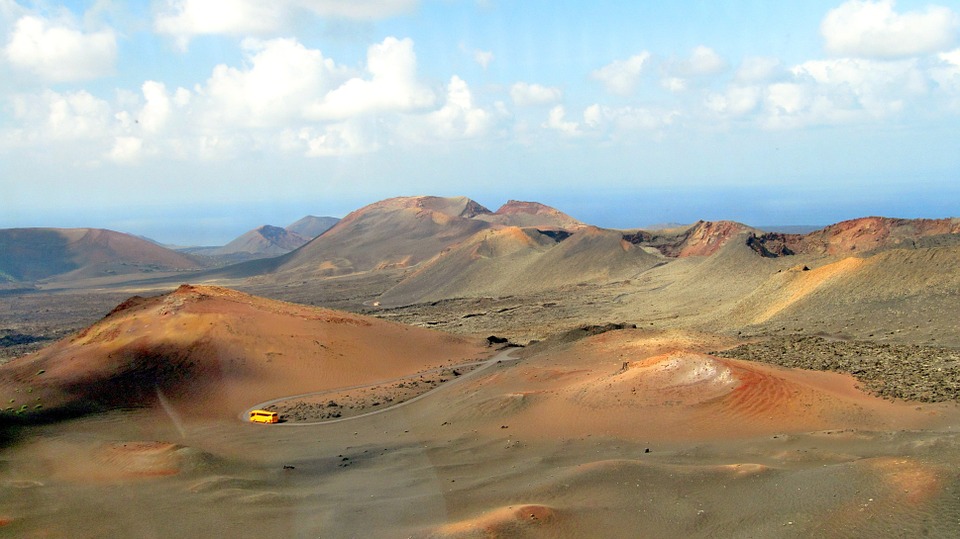
Volcanoes have shaped Lanzarote, so exploring this landscape helps you understand why the island looks so different from a typical beach destination. Timanfaya National Park covers an extensive landscape created largely by eruptions between 1730 and 1736. Access to its Fire Mountains is controlled, so you cannot simply wander into the protected volcanic terrain.
Book your entry in advance and use the official Ruta de los Volcanes to travel through the crater landscape. If you prefer exploring on foot, consider one of the separate ranger-led routes around Timanfaya rather than leaving marked trails.
2. Make Adventure Part of Your Stay
You do not need to spend every day chasing difficult hikes to have an active trip. Many lanzarote holidays give you a comfortable base near the coast, so you can alternate demanding days outdoors with swimming, eating locally or simply recovering beside the pool.
This approach works particularly well if you plan several activities. Staying near Puerto del Carmen, Playa Blanca or Costa Teguise means you can return somewhere comfortable after hours on the water or volcanic trails, rather than turning the whole week into an endurance challenge.
3. Learn to Surf at Famara
Famara puts you directly in front of the Atlantic, with a long stretch of sand beneath imposing cliffs. The area draws surfers of different abilities, while schools in Caleta de Famara offer equipment and instruction nearby.
If you are a beginner, book a lesson instead of hiring a board and tackling the water alone. An instructor can help you choose an appropriate section of beach, understand currents and practise getting onto your feet safely.
4. Cycle Through La Geria
Cycling through La Geria allows you to experience Lanzarote’s volcanic interior at a pace that makes its unusual landscape easier to appreciate. Routes take you past vineyards planted in dark volcanic soil, while exposed roads mean the island’s wind can add a genuine physical challenge.
Check the distance and elevation before setting off rather than judging a ride solely from the map. One established La Geria loop covers almost 49 kilometres with around 770 metres of climbing, so choosing an e-bike or shorter route may make more sense if you cycle only occasionally.
5. Head Underground at Cueva de los Verdes
Adventure in Lanzarote does not stop at ground level. Cueva de los Verdes takes you into the volcanic tube created by the eruption of La Corona, with an approximately one-kilometre guided route through its different levels.
Expect stairs, narrow sections and uneven surfaces, so sensible footwear matters more here than your usual beach sandals. The visit currently takes around 50 minutes and requires a timed online booking.
6. Discover Lanzarote Underwater
The volcanic landscape continues beneath the Atlantic. Lanzarote offers diving for different experience levels, and Turismo Lanzarote recommends several locations for beginners as well as more experienced divers. Visibility can reach around 30 metres in good conditions, giving you the chance to see volcanic formations and marine life rather than simply swimming above them.
If you have never dived before, arrange an introductory session with a qualified dive centre instead of choosing a site independently.
7. Kayak Along the Papagayo Coast
A kayak gives you a different perspective on southern Lanzarote because you view its coves and rocky coastline from sea level. Guided excursions around Papagayo commonly combine paddling with time for snorkelling, turning the outing into a manageable half-day adventure rather than requiring an entire day at sea.
Choose a guided trip if you have limited experience, as local instructors can adapt the route when wind or sea conditions change. Pack sun protection and water even on cooler-looking days, then leave enough energy for the return paddle.