
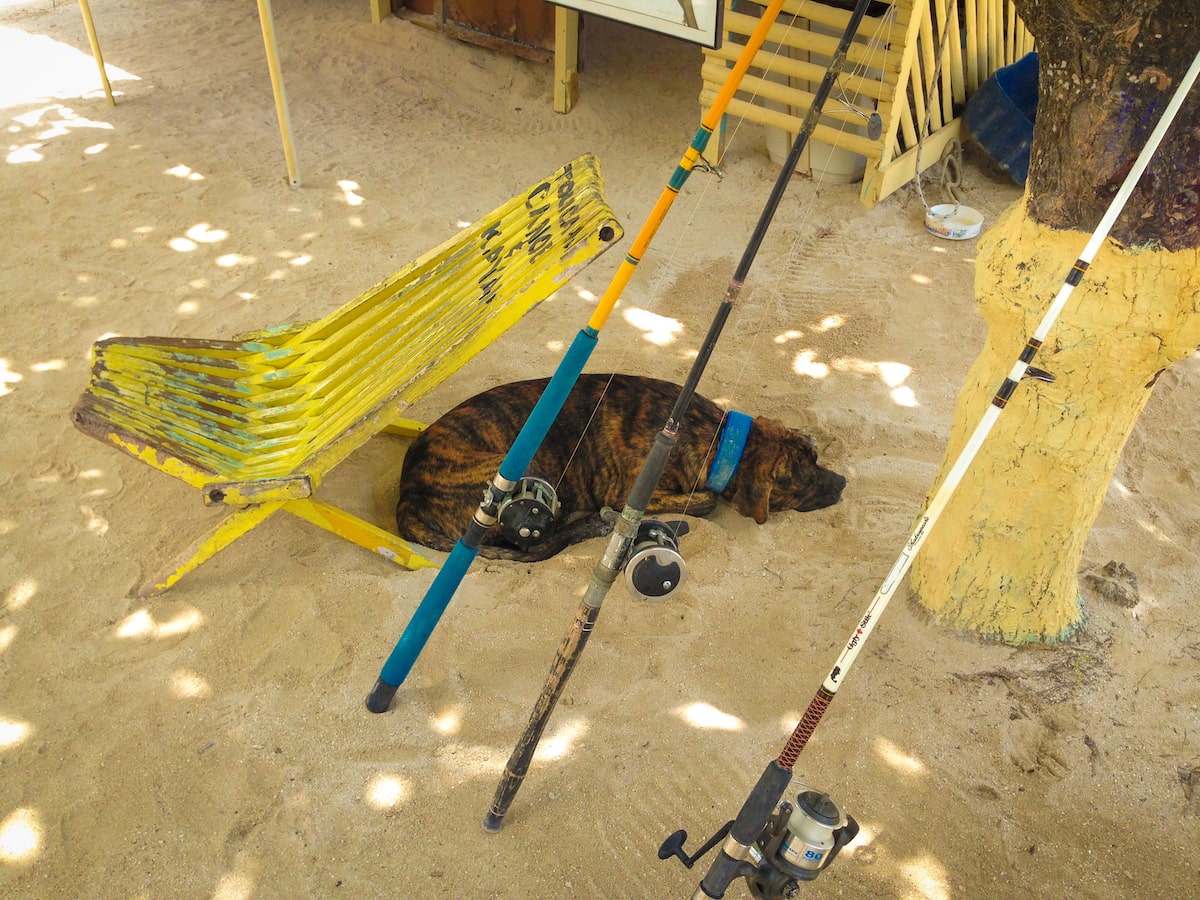
Life feels a little more exciting when a dog is part of the journey. A morning walk can turn into a trail exploration, a weekend drive can become a memorable getaway, and a quiet afternoon outdoors can offer a welcome change of scenery. However, enjoying these experiences requires more than simply bringing a lead along.
Dogs need opportunities to explore, play, rest, and engage with their surroundings. Even the quieter parts of an adventure, such as relaxing at a campsite or taking a break during a road trip, can benefit from a little planning. With the right activities, essentials, and routines, owners can make their dogs part of more experiences without overlooking their comfort and well-being.
1. Choose Adventures That Match Your Dog’s Personality
Not every dog enjoys the same activities. Some are enthusiastic hikers who enjoy exploring unfamiliar trails, while others prefer relaxed walks through parks or quiet outdoor spaces. Choosing activities that suit a dog’s temperament, age, physical condition, and experience makes outings more enjoyable for everyone.
Consider a few activities that can accommodate different dogs:
- Walking trails: Start with shorter routes and gradually increase the distance as your dog becomes more comfortable.
- Beach outings: Look for dog-friendly beaches where pets are permitted, and watch out for hot sand, strong waves, and wildlife.
- Camping: Choose campsites that allow dogs and offer sufficient space, shade, and access to water.
- Road trips: Plan destinations with pet-friendly accommodation and opportunities for regular breaks.
- Outdoor markets and parks: These can provide new sights, sounds, and smells, although crowded environments may not suit every dog.
A dog’s enthusiasm is not always a reliable indication of its physical limits. Puppies, senior dogs, and pets with mobility concerns may need shorter outings. Keep activities manageable and consult a veterinarian if you are uncertain about your dog’s ability to handle a particular adventure.
2. Make Bully Sticks Part of Your Dog’s Downtime
An active day involves more than walking, running, and exploring. Dogs also need periods when they can settle down, relax, and engage in quieter activities. Whether owners are taking a break during a road trip, relaxing at a campsite or unwinding at home after a long walk, providing an appropriate activity can help keep dogs occupied.
Chewing is a natural behaviour for dogs, and edible chews can provide an opportunity for mental engagement during supervised downtime. Bully sticks, made from beef pizzle, are particularly relevant for dogs that enjoy chewing and prefer different chew sizes and thicknesses. Their physical characteristics can influence how dogs engage with them, so selecting a suitable chew matters.
For dogs that prefer thicker chews, Monster Bully Sticks include the 12-inch Monster Jurassic variety, which features an extra-thick construction. Such chews can provide a focused activity during quieter moments, whether a dog is settling down after outdoor exploration or relaxing during a supervised break.
Owners should still consider their dog’s chewing style, size, calorie intake, and ability to chew safely. Always supervise chewing, provide fresh water, and remove a chew when it becomes small enough to swallow. Edible chews should complement a dog’s routine rather than replace exercise, interaction, or rest.
3. Pack the Right Essentials for Outdoor Activities
Having the right supplies can make an adventure easier to manage, particularly when visiting unfamiliar locations. A dog’s needs may change depending on the weather, activity, journey length, and surroundings, so preparation helps owners respond to unexpected situations.
A practical dog travel kit should include:
- Water and a portable bowl: Keep water accessible, particularly during warm weather or physical activity.
- Food and treats: Bring familiar food to avoid sudden dietary changes while travelling.
- Lead, harness, and identification: Use secure walking equipment and ensure identification details are current.
- Waste bags: Clean up after your dog and follow local rules for disposing of waste.
- First-aid supplies: Carry pet-appropriate essentials, such as gauze and tweezers, and learn when veterinary care is necessary.
- Comfort items: A familiar blanket, bed, or toy may help your dog settle in a new environment.
- Suitable chews: If your dog enjoys chewing, an appropriately sized edible chew can be useful during supervised breaks.
Keep the kit accessible rather than buried beneath luggage. This makes it easier to provide water, take a break, or respond to your dog’s needs without unpacking everything.
4. Find Dog-Friendly Destinations Before You Leave
A destination may look perfect online, but not every trail, beach, accommodation provider, or attraction allows dogs. Checking restrictions before departure can save time and prevent disappointment.
Research the following before booking:
- Whether dogs are permitted on trails, beaches, and public transport.
- Whether accommodation accepts pets and has additional rules or fees.
- Whether there are designated dog exercise areas nearby.
- Whether local restrictions require leads or limit access during certain seasons.
- Whether veterinary clinics are accessible in the destination.
The USDA Animal and Plant Health Inspection Service provides official guidance on pet travel requirements for people travelling with animals to, from, or through the United States. International travellers should also consult the destination country’s official animal-import authority.
Planning ahead is particularly useful when visiting remote locations, where access to pet services may be limited. It also allows owners to identify places where their dogs can walk, explore, and rest comfortably.
5. Keep Your Dog Safe in Unfamiliar Environments
New environments expose dogs to different hazards, including unfamiliar animals, wildlife, traffic, extreme temperatures, and potentially unsafe food or plants. Being attentive helps owners recognise risks before they become serious problems.
A few practical precautions can make a difference:
- Monitor the weather: Avoid strenuous activities during extreme heat and watch for signs of overheating, such as excessive panting, weakness, or disorientation.
- Check the terrain: Look for sharp rocks, broken glass, thorny vegetation, and other hazards that could injure paws.
- Control access to wildlife: Keep your dog at a safe distance from wild animals and avoid allowing it to chase or disturb them.
- Use secure walking equipment: A lead is especially important near roads, steep terrain, or areas with unpredictable wildlife.
- Watch what your dog eats: Prevent access to discarded food, unknown plants, contaminated water, and potentially harmful substances.
Dogs may also become overwhelmed by unfamiliar sights, sounds, or crowds. Give them the option to move away from uncomfortable situations and avoid forcing interactions with strangers or other animals. A quiet break may be more beneficial than pushing through an activity when your dog appears uncomfortable.
6. Build More Adventures Into Your Everyday Routine
A dog-friendly lifestyle does not require expensive holidays or elaborate itineraries. Small changes to everyday routines can create opportunities for exploration, exercise, and bonding.
Try incorporating simple activities throughout the week:
- Visit a different walking route instead of following the same path every day.
- Explore a new neighbourhood with suitable walking areas.
- Arrange a dog-friendly picnic with a comfortable resting space.
- Practise basic training commands in a quiet outdoor environment.
- Spend time exploring nature trails at your dog’s pace.
- Introduce supervised chewing or other enrichment activities during quieter periods.
These activities can provide variety without placing unnecessary physical demands on your pet. Dogs benefit from opportunities to sniff, explore, and engage with their surroundings, while owners can enjoy a change of scenery without committing to a major trip.
The key is to remain flexible. If your dog seems tired, anxious, or uncomfortable, adjust the plan. An enjoyable adventure does not need to follow a rigid schedule.
Final Thoughts
Sharing adventures with a dog can turn ordinary routines into meaningful experiences. Choosing suitable activities, preparing essentials, offering appropriate enrichment, and allowing time for rest can make outings easier and more enjoyable. Whether exploring a local park or travelling somewhere new, a thoughtful approach helps owners create more opportunities to spend quality time with their pets.
FAQs
How can I make a campsite more comfortable for my dog?
Provide a familiar sleeping area, keep food and water accessible, secure your dog appropriately, and maintain a routine that allows time for rest.
Are dog-friendly activities suitable for dogs that are not very social?
Yes. Quiet walks, solo exploration, sniffing activities, and less crowded outdoor locations can suit dogs that prefer limited interaction with people or other animals.
How can I keep my dog occupied when travelling without overexerting it?
Use quiet enrichment activities, familiar toys, and supervised chewing opportunities during breaks, while ensuring your dog has sufficient rest and access to water.
Should I change my dog’s feeding routine during a holiday?
It is generally best to maintain your dog’s usual feeding routine and avoid introducing unfamiliar foods or treats suddenly, as dietary changes may upset its stomach.