
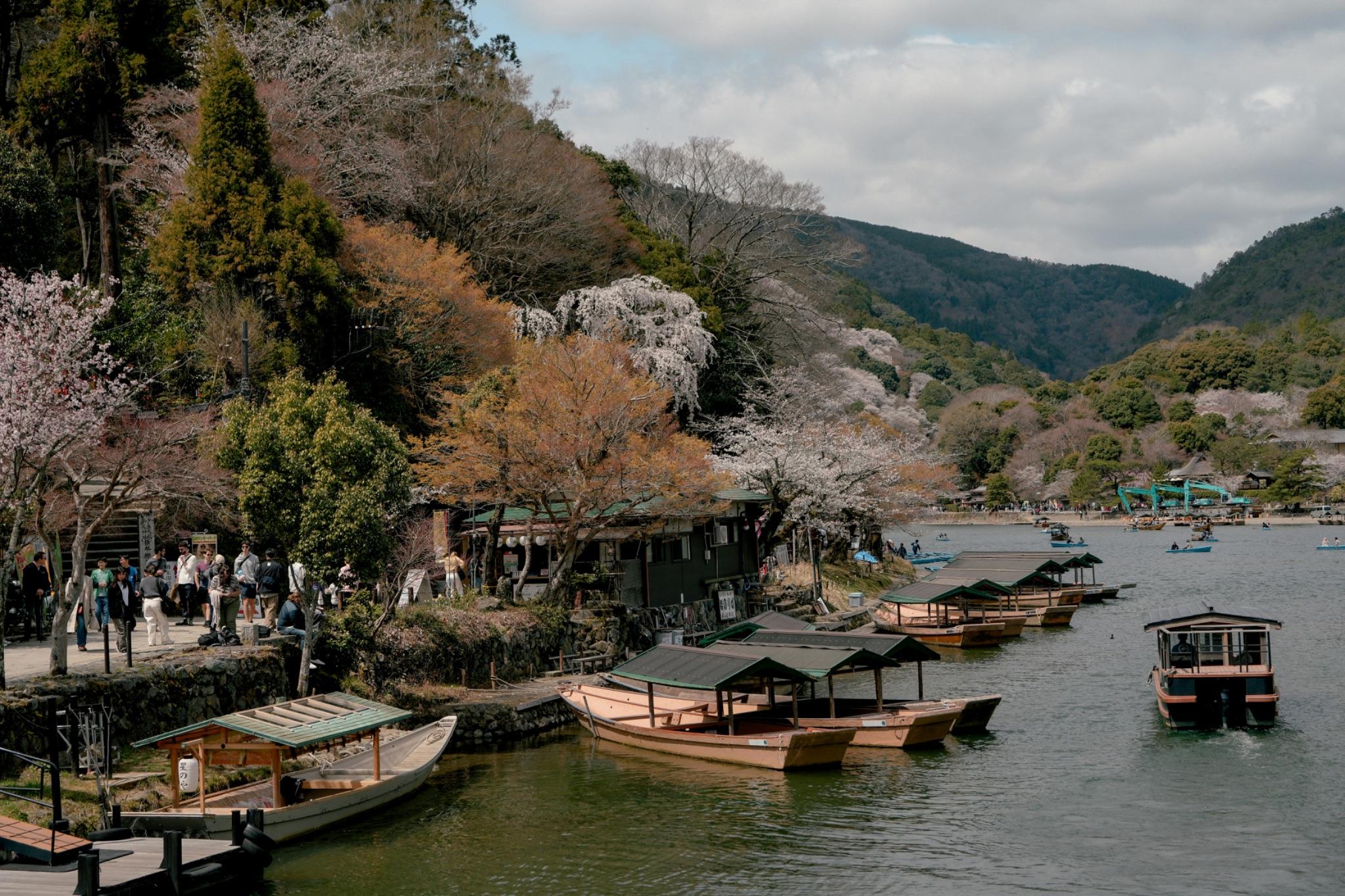
Japan has two particularly beautiful seasons, and choosing between them can be surprisingly difficult. Spring brings delicate pink blossoms to parks, riversides and temple gardens, while autumn transforms the countryside into a patchwork of red, orange and gold. Both attract visitors from around the world, both offer excellent opportunities for photography, and both can make an ordinary walk through a Japanese city feel special. The experience, however, is quite different. Cherry blossom season has a festive atmosphere, with locals gathering beneath the trees for picnics and evening celebrations. Autumn tends to feel calmer, particularly outside the busiest temple districts, as travellers follow the changing foliage through gardens, mountain valleys and traditional towns. The better choice depends on the kind of trip you want, how much flexibility you have and which parts of Japan are on your itinerary.
The Classic Spring Route: Tokyo, Kyoto and Beyond
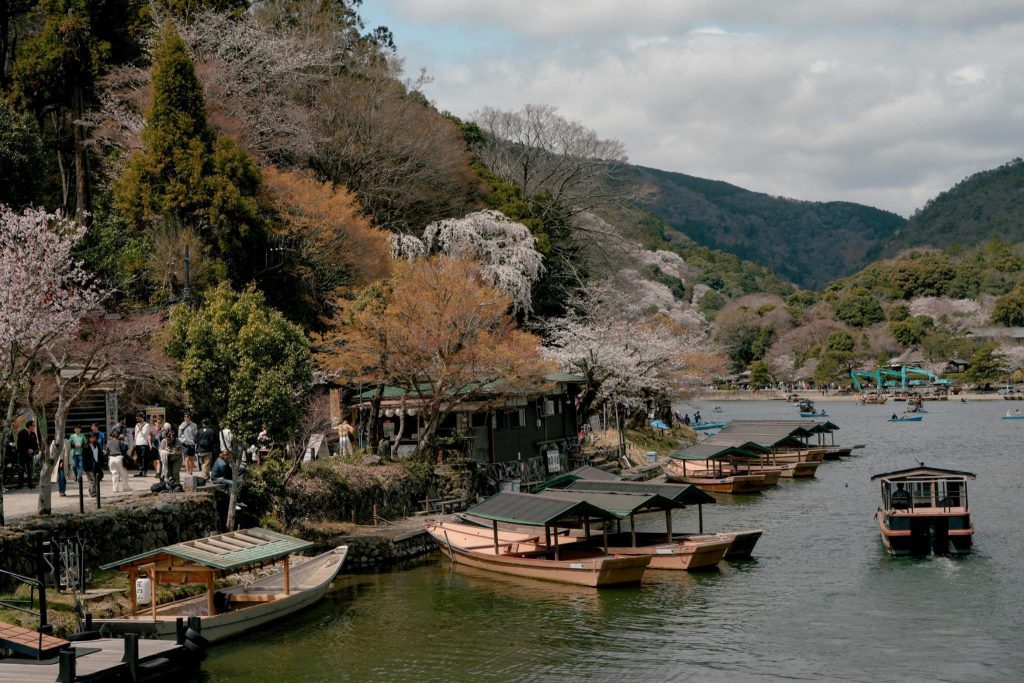
Spring works particularly well for a first visit because the major cities offer plenty of blossom-viewing opportunities alongside their usual attractions. Tokyo provides the contrast of busy shopping districts, quiet shrine gardens and riverside walks. Kyoto has a more traditional atmosphere, with flowering trees around temples, canals and old neighbourhoods. You can spend the morning exploring a historic district and the afternoon sitting beneath the blossoms with a takeaway snack. The Tokyo to Kyoto train makes it straightforward to connect two of the country’s most popular destinations without losing a day to travel. The journey on the Tokaido Shinkansen takes roughly two hours and fifteen minutes on the fastest services, although journey times vary by train type. It is worth booking ahead during the busiest spring dates, particularly if you have fixed hotel reservations or want a specific departure time. Once in Kyoto, avoid trying to visit every famous blossom spot in one day. Choose a few areas and explore them properly, as the narrow lanes and smaller gardens can be just as rewarding as the best-known viewing locations.
Osaka and the Countryside in the Fall
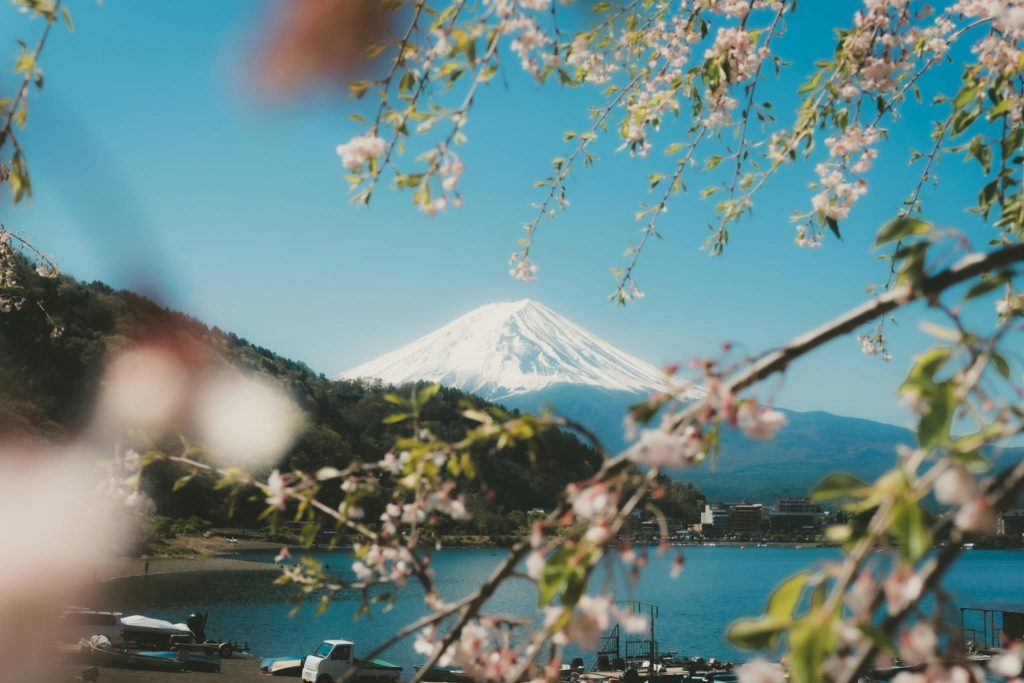
Osaka is a useful addition to an autumn itinerary, especially if you want to combine city life with day trips into the surrounding region. Osaka Castle Park is a good place to see seasonal colours without travelling far from the centre. The castle’s white walls and green roof provide a striking contrast against the changing trees, while Minoh Park, on the city’s northern edge, offers a more natural setting with a walking trail leading towards a waterfall. The train from Tokyo to Osaka makes it possible to connect two major destinations on the Tokaido Shinkansen, with the fastest services taking approximately two and a half hours. From Osaka, you can continue to Kyoto or explore other parts of Kansai without changing your base every night. If you have extra time, consider heading towards Nara, where temple grounds and wooded parks take on beautiful autumn colours. Autumn is also a good season for exploring places beyond the main cities. Nikko, north of Tokyo, is known for its colourful mountain scenery and historic shrines, while the Fuji Five Lakes area offers views of Mount Fuji framed by seasonal foliage. In the north, Hokkaido reaches its autumn colours earlier than central Japan, making it a strong choice for travellers visiting in October. The timing varies significantly by elevation and region, so a little research can make a substantial difference.
Spring in Japan: A Season That Feels Like an Occasion
Cherry blossom season has a special place in Japanese culture, and the excitement surrounding it is part of the appeal. Hanami, the tradition of viewing flowers, brings people together in parks and gardens for picnics beneath the trees. In Tokyo, places such as Ueno Park and Shinjuku Gyoen become popular meeting points, while the paths beside the Meguro River are particularly atmospheric when branches form a canopy above the water. Kyoto has its own celebrated locations, including Maruyama Park and the Philosopher’s Path, where blossoms frame traditional streets and temple grounds. The biggest drawback is how quickly the flowers come and go. Individual trees may bloom for around a week, although the wider season lasts longer because different regions and varieties flower at different times. A warm spell can bring the peak forward, while cooler weather may delay it. For visitors concentrating on Tokyo, Kyoto and Osaka, late March and early April are usually the main period to consider, but checking updated forecasts before departure is essential.
Autumn in Japan: A Longer Display of Colour
Autumn offers a different kind of spectacle. Instead of pale pink petals, the landscape fills with fiery maple leaves, golden ginkgo trees and deep shades of orange. The Japanese tradition of viewing autumn foliage is known as momijigari, and it has been enjoyed for centuries. Unlike cherry blossoms, which can disappear after a short spell of rain or wind, autumn colours tend to develop gradually, giving travellers more opportunities to catch the scenery at its best. Kyoto is one of the strongest destinations for autumn, particularly around its temples and landscaped gardens. Eikando Temple is famous for its maple trees, while Tofukuji attracts visitors with views across a valley of changing foliage. Tokyo has its own seasonal appeal, with Rikugien Garden and the avenues of golden ginkgo trees around Meiji Jingu Gaien providing lovely settings for a walk. The cooler temperatures also make long days of sightseeing more comfortable than during Japan’s humid summer.
Crowds, Costs and What to Pack
Neither season is particularly quiet. Cherry blossom viewing is hugely popular with domestic and international visitors, and accommodation in well-known destinations can become expensive or sell out well in advance. Popular parks and temple grounds may be crowded, particularly at weekends and during peak bloom. Autumn also attracts plenty of visitors, especially in Kyoto, but its longer viewing period can make it easier to adjust your itinerary if one location is particularly busy.
Spring temperatures are generally mild, although evenings can still feel chilly. Pack layers, a light jacket and comfortable shoes for walking around parks and historic districts. Autumn is similarly pleasant for sightseeing, but temperatures drop as November progresses, particularly in mountain areas and northern Japan. A warmer coat becomes useful later in the season. In both cases, check local forecasts rather than relying on average dates alone.
So, Which Season Should You Choose?
Choose spring if cherry blossoms are high on your travel wish list and you enjoy the lively atmosphere that surrounds hanami. The fleeting nature of the flowers gives the trip a special sense of occasion, and Tokyo and Kyoto are particularly rewarding when the trees are in bloom. Just be prepared to plan accommodation and major travel arrangements well ahead of time.
Autumn is arguably the more flexible option. Its colourful scenery lasts longer, the weather is often comfortable for exploring, and there are excellent opportunities to combine major cities with countryside excursions. For travellers who prefer a slightly less time-sensitive itinerary, it has a lot going for it.
There is no disappointing choice here. Japan’s spring and autumn landscapes each reveal a different side of the country, from lively riverside picnics to peaceful temple gardens beneath red maple leaves. Pick the season that matches your travel style, leave enough time to explore beyond the busiest attractions and enjoy the scenery at its own pace.