
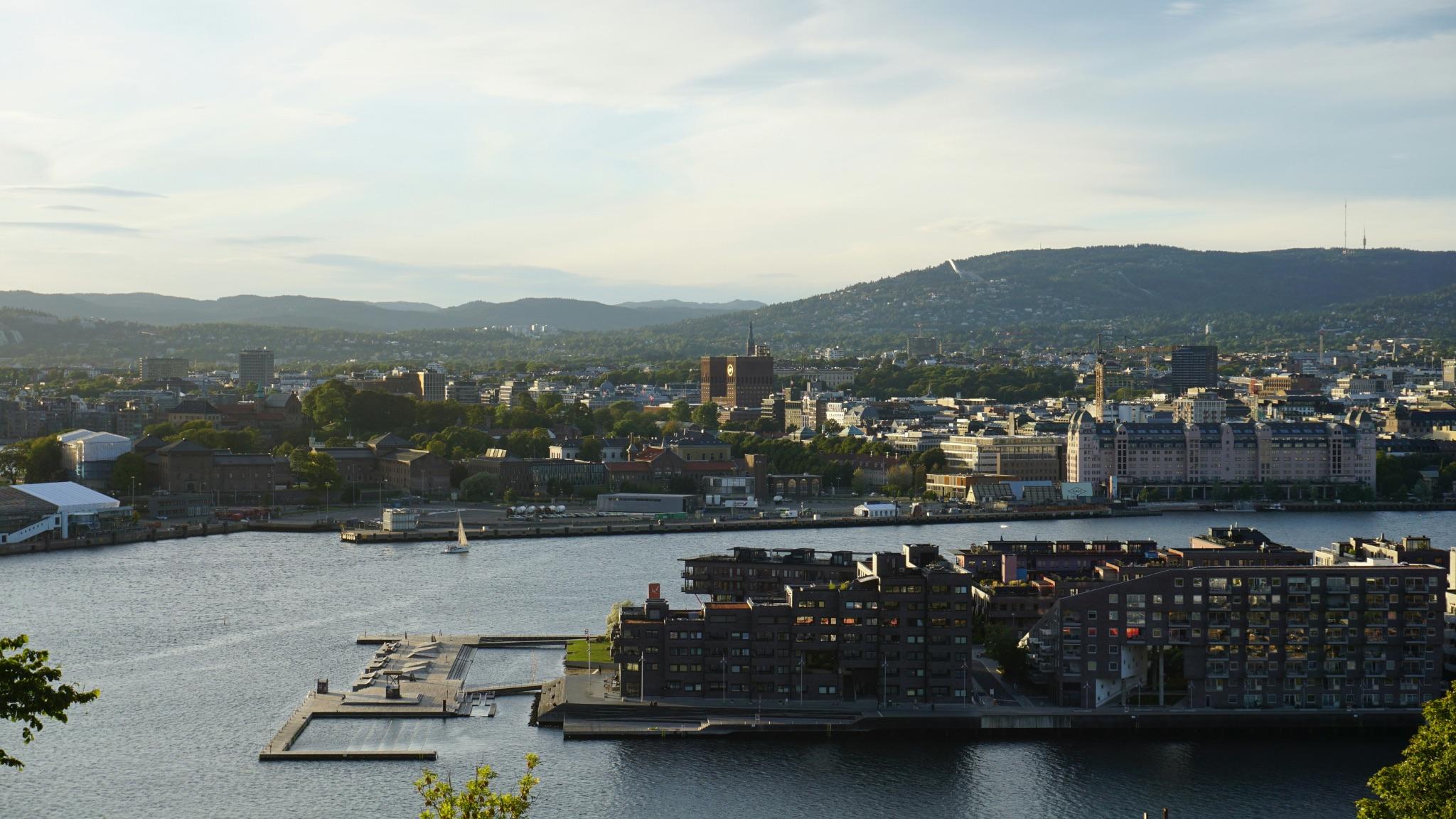
Five days in Scandinavia might sound like a tight schedule, particularly when the region brings to mind three capitals, dramatic coastlines, forest-covered hills and long stretches of water. The temptation is to squeeze Oslo, Stockholm and Copenhagen into one trip, ticking off the major sights before moving on. Yet a short break can be far more rewarding when it has a clear focus and leaves room for unplanned moments. The trick is to resist treating Scandinavia as a checklist. Norway and Sweden alone offer enough variety for a memorable five-day escape, from Oslo’s waterfront and mountain scenery to Stockholm’s islands and elegant old streets. Rather than spending half the trip changing hotels and rushing through stations, choose a sensible route, allow time for the journeys themselves and enjoy each city at a more comfortable pace.
Start with One Corner of Scandinavia, Not All Three Capitals
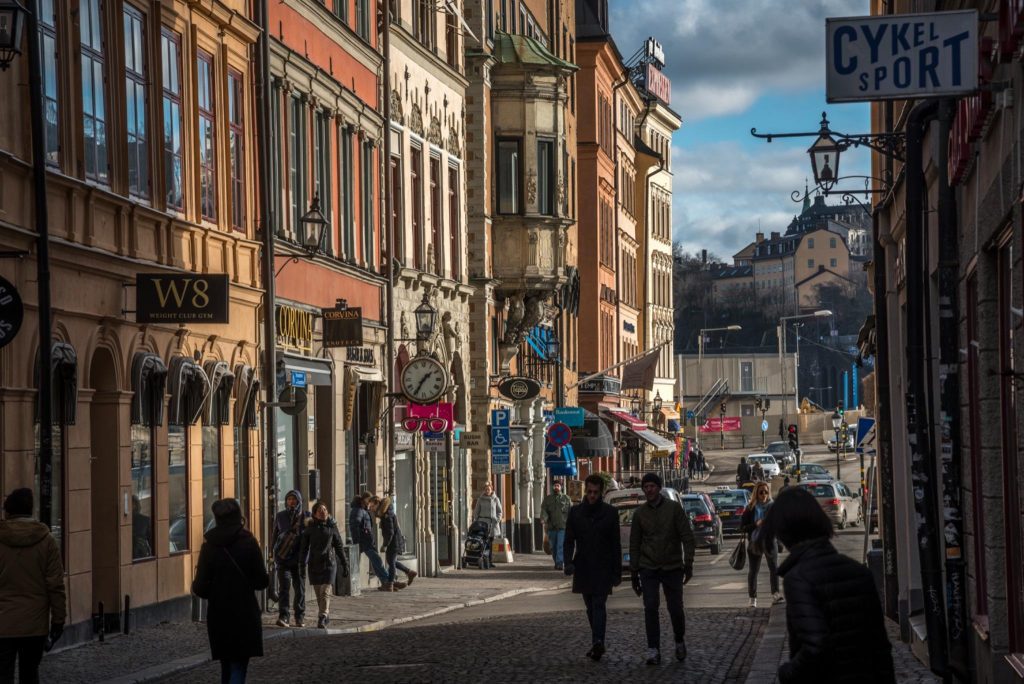
The first decision is geographical. Norway and Sweden sit close enough to combine by rail, but their most memorable landscapes are spread across considerable distances. Copenhagen is another tempting addition, although fitting Denmark into the same five days would mean sacrificing time elsewhere. For a relaxed trip, it makes more sense to concentrate on Oslo and western Norway. Oslo works particularly well as a starting point because its centre is easy to explore on foot and public transport makes reaching the outer neighbourhoods straightforward. The waterfront around the Opera House, the modern buildings of Bjørvika and the old fortress of Akershus give the city a varied introduction. There is also no need to fill every hour. A long lunch, a walk along the harbour or a quiet afternoon in a café can be just as enjoyable as another museum visit. If you would rather spend five days enjoying cafés, galleries, waterfront walks and historic streets, consider building the trip around Stockholm instead. The Oslo to Stockholm train takes roughly four and a half to five hours, making the two capitals a manageable combination if you want to experience both countries without adding Bergen to the itinerary. Services run between the city centres, so you can avoid the extra airport transfers and spend more of the day exploring. A sensible alternative would be two nights in Oslo followed by three in Stockholm. In Sweden’s capital, spend time in Gamla Stan, the medieval old town, then cross to Djurgården for museums and green spaces.
Days One and Two: Get to Know Oslo Properly
The Oslo to Bergen by train route, known as the Bergen Railway, takes around seven hours and crosses a striking variety of landscapes. Give Oslo two nights rather than arriving late and leaving again the following morning. Begin around the city centre, where Karl Johans gate connects the central station with the Royal Palace. Along the way, you will pass shops, cafés and important civic buildings, making it an easy route to explore without a complicated sightseeing plan. The National Museum is worth considering for its Norwegian art and design collections, while the Munch Museum provides a closer look at one of the country’s best-known artists. On the second day, head towards Bygdøy, a peninsula with several museums and pleasant walking routes. Alternatively, take the ferry to one of the islands in the Oslofjord if the weather is inviting. Grünerløkka is another good choice for a slower afternoon, with independent shops, coffee spots and a more neighbourhood-focused atmosphere. Keeping these first two days flexible means you can enjoy the capital without feeling that every stop has to be scheduled.
Day Three: Take the Scenic Route Towards Bergen
The journey west is one of the strongest reasons to include Norway in a short Scandinavian break. The scenery changes from forests and lakes to open mountain terrain, with the high plateau around Hardangervidda providing some of the most memorable views. It is worth travelling during daylight and treating the ride as a central part of the holiday rather than simply a transfer between hotels. Book a seat in advance, particularly during popular holiday periods, and bring snacks or make use of the onboard café. Myrdal is one of the stops along the way and the connection point for the famous Flåm Railway. Adding the branch line, a fjord cruise and onward transport can make the day considerably longer, so it is best to decide beforehand whether you want a direct journey or a more involved excursion. With only five days available, a direct train to Bergen is the calmer option.
Days Four and Five: Let Bergen Set the Pace
Bergen is compact enough to explore without relying heavily on transport. Start in Bryggen, the historic waterfront district with its colourful wooden buildings and narrow passages. The old trading quarter is a UNESCO World Heritage site, and its lanes are particularly enjoyable early in the morning, before the busiest sightseeing hours. From there, walk towards the fish market and the harbour, stopping for lunch or a coffee along the way. If the weather is clear, take the Fløibanen funicular up Mount Fløyen. The views across the rooftops, harbour and surrounding mountains make the short ride worthwhile, and there are walking paths for anyone who wants to spend longer above the city. If rain arrives, Bergen’s museums and cafés provide an easy alternative. Keep the final day relatively open, especially if you have a flight or onward connection to catch. One good viewpoint and a relaxed meal are better than squeezing in several excursions before departure.
A Better Kind of Short Scandinavian Break
Five days can be enough to get a real feel for Scandinavia, provided you accept that you will only see a small part of it. Oslo and Bergen make a memorable pairing for travellers drawn to mountains, coastal scenery and historic waterfronts. Oslo and Stockholm are a stronger match for anyone who prefers urban exploring, museums, architecture and good food, with the added pleasure of crossing an international border by train. Whichever route you choose, leave some breathing space in the schedule. Scandinavia is not a region to experience solely through station platforms and hotel check-ins. Allow time for a slow breakfast, a walk beside the water or an unexpected stop that catches your attention. Those quieter moments often become the memories that make a short trip feel much longer.