
Italy is one of those countries where a fortnight can disappear surprisingly quickly. One day you are admiring ancient ruins in Rome, the next you are lingering over lunch in Tuscany, and suddenly there are three more cities on your wish list and no space left in the itinerary. The temptation to see as much as possible is understandable, but trying to cover the entire country in one holiday can leave you spending more time packing and travelling than actually enjoying the places you came to see. The honest answer is that Italy deserves at least ten days for a first visit, while two weeks gives you considerably more breathing room. The right amount depends on whether you prefer major cities, coastal scenery, countryside or a mixture of everything. A sensible route, with a few nights in each destination, is far more rewarding than racing from one famous landmark to another.
A Week Is Enough for an Introduction, Not the Whole Country
Seven days can work if you concentrate on one part of Italy. Rome, Florence and Venice make a popular combination, although the schedule becomes quite busy if you want to explore each city properly. You could spend three nights in Rome, two in Florence and two in Venice, giving yourself a taste of the country’s most recognisable sights. The problem is that every change of accommodation takes time. Even relatively short train journeys involve getting to the station, checking out of your hotel, storing luggage and finding your next base.
Ten Days: A Good First Trip from Rome to the North
Ten days gives you enough time to explore three major destinations without feeling permanently on the move. Rome is a natural starting point, and three full days are a reasonable minimum for its main attractions. You can visit the Colosseum and Roman Forum, explore the Vatican Museums and St Peter’s Basilica, and still have time for neighbourhoods such as Trastevere and Monti. From the capital, you can head north towards Milan. The Rome to Milan train makes this a practical connection, with direct high-speed services covering the journey in approximately three hours on the fastest departures. Travelling by rail also takes you directly between city-centre stations, avoiding airport transfers and the extra time involved in flying. Milan is often treated as a quick stop, but two nights are worthwhile if you enjoy architecture, fashion and design. The Duomo is the obvious highlight, although the Galleria Vittorio Emanuele II, Brera district and Navigli canals provide plenty of reasons to stay longer. Book ahead if you want to see Leonardo da Vinci’s The Last Supper, as access is limited and tickets are in high demand.
Add Florence for Art, Architecture and Tuscan Food
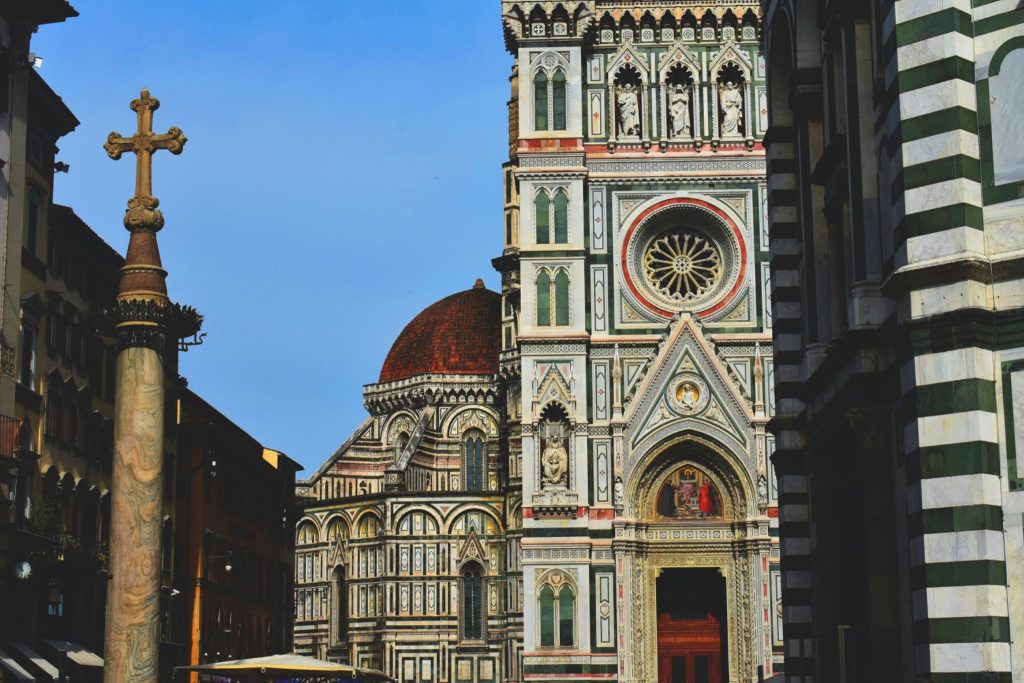
From Milan, continue south to Florence, allowing at least three nights if you want to appreciate the city beyond its most famous landmarks. The Milan to Florence train takes roughly two hours on direct high-speed services, making the journey easy to fit into a ten-day itinerary. Once you arrive, the historic centre is compact enough to explore largely on foot. Florence is a natural highlight for anyone interested in Renaissance art and architecture. The Cathedral of Santa Maria del Fiore dominates the skyline, while Piazza della Signoria and Ponte Vecchio provide some of the city’s most recognisable views. The Uffizi Gallery deserves a dedicated visit, but you should also leave time for the Oltrarno district, where artisan workshops, smaller restaurants and quieter streets reveal a different side of the city. Three days also give you the option of taking a day trip into Tuscany. Siena is an excellent choice, with its medieval centre and famous Piazza del Campo, while Pisa is easy to reach by train. If you would rather avoid another packed sightseeing schedule, spend the afternoon sampling local wines or enjoying a long lunch in the surrounding countryside.
Two Weeks: Time to Explore Beyond the Famous Cities
With fourteen days, Italy starts to feel like a much more varied destination. You can follow the Rome, Milan and Florence route, then add Venice, Bologna or a few days in the south. The important thing is not to treat every destination as another item to tick off. Give yourself enough time to enjoy the atmosphere and discover places that are not necessarily on every first-time visitor’s itinerary. Venice deserves at least two nights. Its canals, palaces and narrow streets create an experience unlike anywhere else in Italy. Arriving early in the morning or exploring the quieter neighbourhoods of Cannaregio and Castello helps you see more than the crowded area around St Mark’s Square. A longer stay also makes it possible to visit the islands of Murano and Burano. Bologna is another excellent addition, particularly for food enthusiasts. Its porticoes, medieval towers and lively university quarter make it a rewarding city break, while the local cuisine is a major attraction. Tagliatelle al ragù, tortellini and mortadella are among the specialities worth trying. Two nights are enough for the historic centre, although the city also makes a convenient base for exploring nearby towns. If southern Italy interests you more than another northern city, consider Naples instead. Three nights provide time to explore its historic centre, try authentic Neapolitan pizza and visit Pompeii. The Amalfi Coast can be added, but it deserves additional time if you want to explore several villages rather than simply arrive for a quick photograph.
Three Weeks for a More Complete Italian Experience
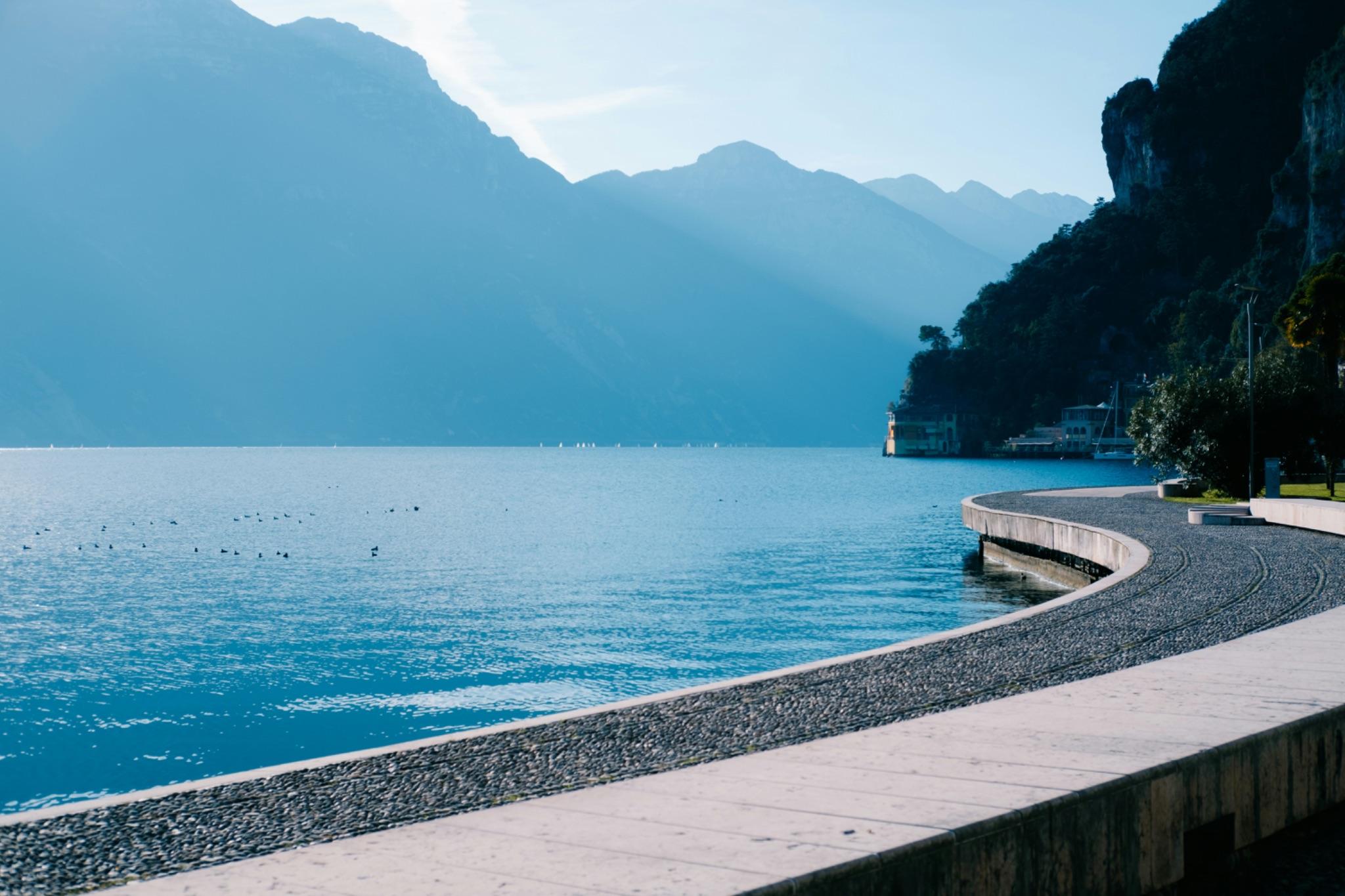
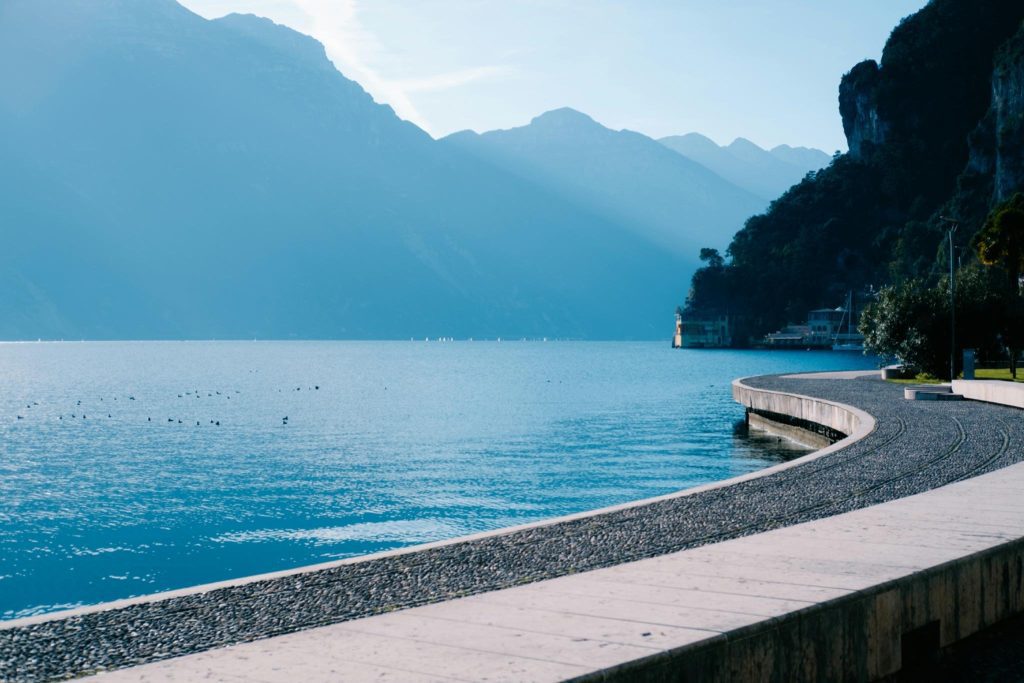
Travellers with twenty-one days can build a considerably more relaxed itinerary. Start in Rome, continue through Naples and the Amalfi Coast, then head north towards Florence, Bologna, Venice and Milan. Alternatively, replace some of the major cities with Sicily or Puglia if beaches, regional food and smaller towns are higher on your priority list. Sicily alone can fill a substantial part of a holiday. Palermo, Catania, Taormina and the Valley of the Temples offer a mixture of architecture, archaeology and coastal scenery. Puglia is another destination worth considering, with its whitewashed towns, olive groves and beaches around Salento. Neither region should be squeezed into a couple of days simply to add another location to the itinerary. Three weeks also makes it easier to spend time in the countryside. You could stay at an agriturismo in Tuscany, explore the villages around Lake Garda or take a slower route through Umbria. These experiences often become the most memorable parts of a trip because they offer a glimpse of everyday Italian life beyond the main tourist centres.
Don’t Underestimate Travel Time
Italy has an excellent high-speed rail network connecting many of its largest cities, but not every destination is equally easy to reach. Trains are ideal for routes such as Rome, Florence, Bologna, Milan and Venice, while smaller villages and coastal areas may require regional services, buses or a hire car. Try to avoid changing accommodation every night. Two or three nights in each city provide a much better balance, particularly when travelling with luggage. Book popular high-speed services in advance if your dates are fixed, and check the station locations when arranging hotels. A centrally located room can save considerable time during a short stay. It is also worth leaving some flexibility in your plans. Italian cities are full of unexpected discoveries, from neighbourhood markets and small churches to family-run trattorias that you might never have found through a strict sightseeing schedule.
So, How Long Should You Stay?
For a first visit, ten days is a sensible starting point, particularly if you want to experience Rome, Milan and Florence without rushing. Two weeks is better if Venice, Bologna or southern Italy are also on your wish list, while three weeks allows you to explore regional destinations and enjoy a slower pace. There is no perfect number of days for Italy because every region has enough character to justify a separate holiday. Rather than trying to see the entire country in one go, choose the places that genuinely interest you and give them the time they deserve. You will leave with a better impression of Italy, and probably a longer list of places to visit next time.