
London is an excellent city break, but treating it as the main reason to visit the British Isles means missing an enormous amount. Beyond the capital, there are medieval towns, rugged coastlines, mountain landscapes, lively university cities and islands where the scenery changes dramatically from one day to the next. A few hours on a train or a short flight can take you somewhere with an entirely different character. The appeal of travelling around this part of the world lies in its variety. You can spend a morning exploring a historic castle, have lunch in a harbour town and finish the day walking along a windswept beach. England, Scotland, Wales, Northern Ireland and the island of Ireland each have their own traditions, landscapes and food cultures, making it well worth extending a London visit into a longer journey.
Scotland Is Made for Road Trips and Outdoor Adventures
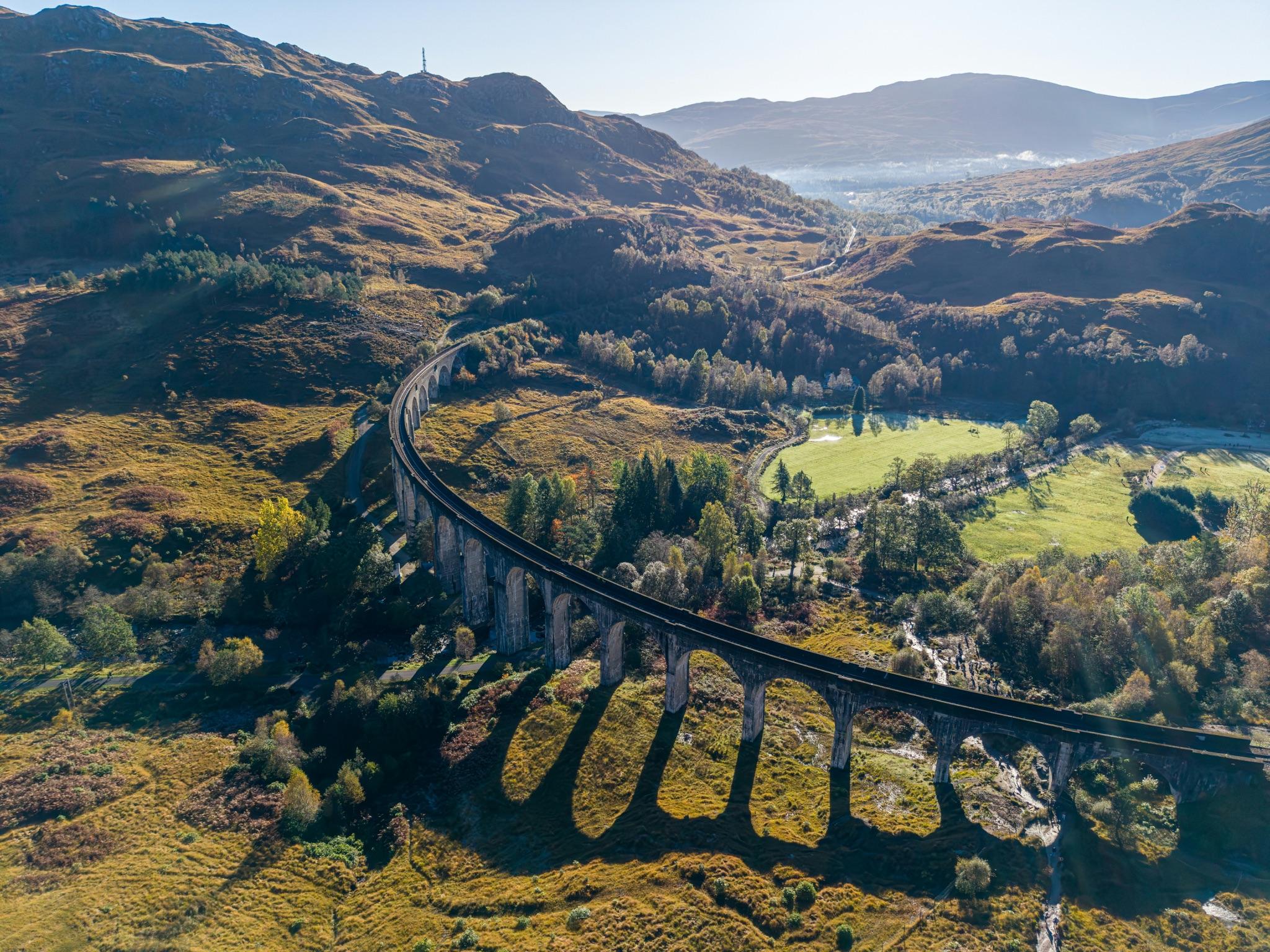
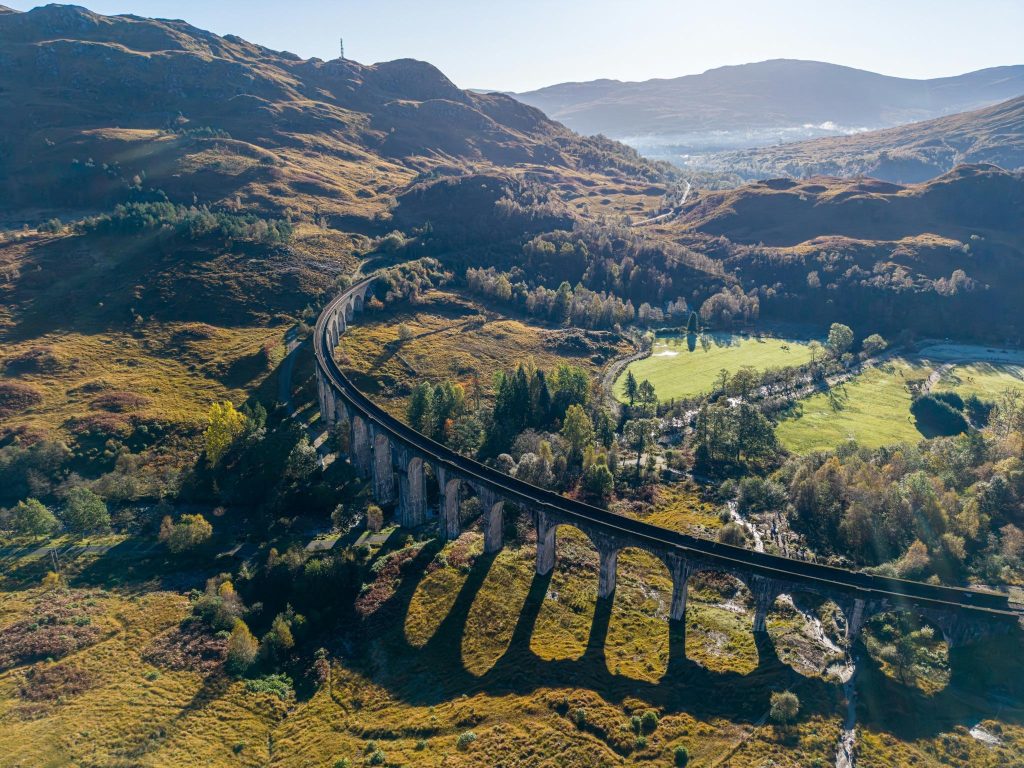
Scotland has a way of making even a short journey feel like an adventure. Edinburgh is a compelling city in its own right, with its castle, historic Old Town and elegant Georgian New Town. Yet the real temptation is to continue beyond the capital, where the landscape opens into lochs, glens, islands and mountain ranges. The Highlands are a natural choice for travellers who enjoy dramatic scenery. Glencoe has steep-sided valleys and walking routes through some of the country’s most recognisable landscapes, while Fort William provides access to Ben Nevis and the surrounding outdoor attractions. Further north, Inverness is a convenient base for exploring Loch Ness, the Black Isle and parts of the North Coast 500 route. The islands offer another reason to stay longer. Skye is known for its striking rock formations, coastal scenery and walking trails, while the Isle of Mull combines colourful harbour towns with opportunities to spot wildlife. Travellers who want to experience several parts of the country without arranging every detail themselves may find Scotland tours useful, particularly when visiting remote areas where public transport is limited. Glasgow deserves attention, too. Its music venues, independent restaurants, architecture and creative neighbourhoods give it a different feel from Edinburgh. Spend time around the West End, visit the Kelvingrove Art Gallery and Museum or catch a live performance before continuing towards the countryside.
Ireland Offers a Different Pace and Character
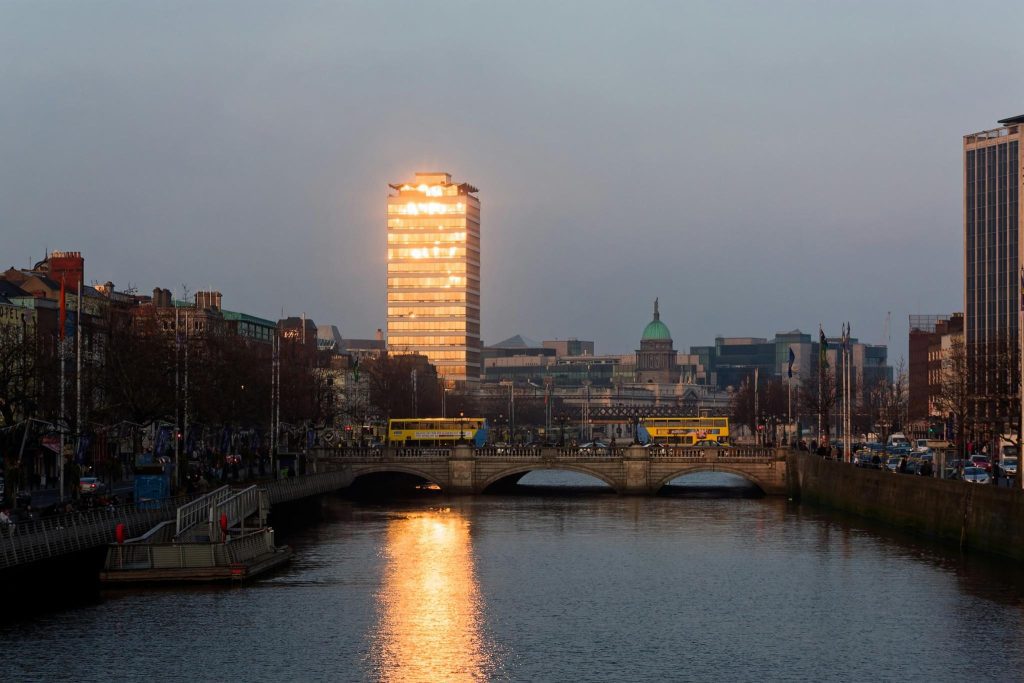
Crossing the Irish Sea introduces a different atmosphere, with lively cities, rural communities and a coastline shaped by the Atlantic. Dublin is a natural starting point, but it deserves more than an afternoon around Temple Bar. Explore the Georgian streets, visit Trinity College, walk through St Stephen’s Green and spend an evening listening to traditional music in a pub outside the busiest tourist district. Beyond the capital, Galway is particularly appealing for its creative energy, colourful streets and proximity to the landscapes of Connemara. Cork has a strong food culture and makes a good base for exploring the south, while Kilkenny offers a more compact city break with a medieval castle and a lively historic centre. Travellers interested in seeing several regions can consider tours to Ireland that combine major attractions with smaller towns and scenic drives. The country’s natural landscapes are just as compelling. The Cliffs of Moher rise above the Atlantic on the west coast, while the Dingle Peninsula offers coastal roads, beaches and traditional villages. Further north, Donegal has rugged beaches and mountain scenery that feels wonderfully remote. Ireland is not a destination to rush through, so allow time for detours and unexpected stops along the way.
England Beyond the Capital Has Plenty to Offer
Before heading further afield, it is worth looking at what England offers outside London. York is an obvious choice for history enthusiasts, with its medieval streets, imposing Minster and remains of the city’s Roman and Viking past. The Shambles is particularly atmospheric, but there is much more to explore beyond its famous narrow shopfronts. Walk along the old city walls, visit the National Railway Museum or spend an afternoon in one of the traditional pubs. For a completely different atmosphere, head towards the coast. Cornwall has fishing villages, surfing beaches and dramatic stretches of the South West Coast Path, while Northumberland offers wide sandy shores and castles overlooking the sea. Bamburgh Castle is one of the region’s most striking landmarks, and nearby Holy Island provides an interesting day out when tidal crossing times allow. The Lake District is another strong reason to stay longer. Its combination of mountain paths, lakeside villages and traditional stone cottages makes it ideal for walkers and anyone who prefers outdoor activities to crowded city attractions. Base yourself in Keswick or Ambleside and explore the surrounding landscape at a manageable pace rather than trying to cover the entire national park in a weekend.
Wales Brings Castles, Mountains and a Remarkable Coastline
Wales is often overlooked by international visitors, despite having some of the most impressive scenery in the British Isles. North Wales is an excellent place to begin, particularly around Eryri (Snowdonia) National Park. Its mountains, glacial lakes and walking trails attract outdoor enthusiasts, while nearby towns such as Betws-y-Coed provide a convenient base for exploring the region. History lovers should make time for Conwy and Caernarfon. Both have imposing medieval castles, and their historic centres are enjoyable to explore on foot. Conwy’s town walls remain remarkably well preserved, while Caernarfon Castle is one of the most impressive fortifications in the country. Further south, Pembrokeshire offers a different experience, with sandy beaches, coastal paths and small seaside communities. Tenby is particularly appealing for a few relaxed days beside the water. Cardiff is worth including if you prefer a city break. Its castle, Victorian shopping arcades, waterfront and lively food scene make it an interesting destination for a weekend. You can combine time in the capital with excursions into the nearby countryside, including the landscapes of Bannau Brycheiniog (Brecon Beacons).
Northern Ireland Should Not Be Left Off the Itinerary
Northern Ireland has enough variety to justify a separate trip. Belfast is an excellent starting point, with its industrial heritage, contemporary restaurants and the Titanic Belfast attraction, which explores the story of the famous ship built in the city’s shipyards. The Cathedral Quarter is a good area for an evening out, with independent bars, restaurants and cultural venues. The Causeway Coast is the obvious next stop. The Giant’s Causeway, with its extraordinary formations of hexagonal basalt columns, is one of the region’s best-known natural landmarks. Nearby, the coastal route passes castles, beaches and viewpoints, including the dramatic cliffs around Dunluce Castle. Carrick-a-Rede offers another memorable experience, with its rope bridge suspended above the sea. For something less focused on the main tourist attractions, head towards the Mourne Mountains or County Fermanagh. The former has excellent walking opportunities, while Fermanagh’s lakes and waterways are ideal for boating and quieter countryside stays.
How to Explore More Without Spending the Whole Trip Travelling
The British Isles are relatively compact compared with many long-haul destinations, but distances and transport connections still need consideration. Trains work well for several major routes, including London to York, Edinburgh to Glasgow and Cardiff to Bristol. However, reaching smaller villages, remote beaches and some Highland destinations can be more complicated without a car. A combination of rail travel and occasional car hire often works best. Spend a few days in a major city, then hire a vehicle for a countryside section where flexibility matters. In Ireland and Scotland, this can make a particularly noticeable difference when exploring coastal routes and rural areas. Avoid trying to combine every region into one short holiday. A two-week trip might focus on England, Wales and Scotland, while another could cover Dublin, Galway, Northern Ireland and the west coast. Ferries and flights make it possible to connect different parts of the archipelago, but allowing enough time in each destination will make the experience far more enjoyable.
Give Yourself a Reason to Come Back
London deserves its reputation, but it should be the beginning of a British Isles holiday rather than the entire itinerary. England has historic cities and varied coastlines, Ireland combines welcoming towns with spectacular Atlantic scenery, Scotland offers some of Europe’s most memorable mountain landscapes, and Wales brings castles and walking routes into a relatively small area. Northern Ireland adds another distinctive combination of history and natural attractions. The best way to experience this part of the world is to resist the temptation to see everything at once. Choose a couple of regions, explore beyond their best-known landmarks and leave enough time for places you discover along the way. A weekend in London might introduce you to Britain, but travelling further is what reveals just how much there is to experience.