
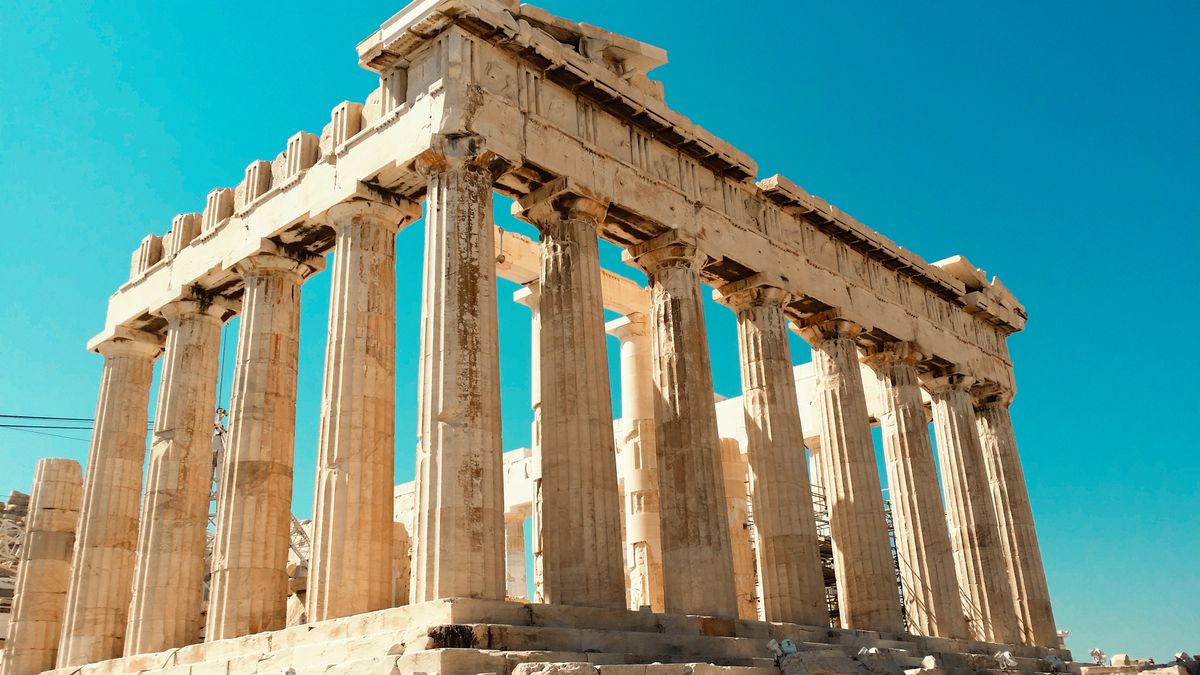
It’s 11:30 on an August morning in Athens, and you’ve just reached the top of the Acropolis, slightly out of breath, to find the Parthenon exactly where it’s supposed to be and about two thousand other people standing in front of it. The marble glares. The shade is a rumour. Somewhere below, the queue you joined at 10:15 is still snaking toward the ticket booth, and the family behind you is realising that the sandals were a mistake. You take the photo anyway. It’s beautiful. You also can’t help thinking that if you’d known three or four things before you set out, this would have been a completely different morning.
The Acropolis is one of the great sights of the world and one of the most visited, and the two facts together mean that how you visit matters as much as whether you visit. This guide covers the practical side: when to go, how to get in without wasting an hour, what to see in what order, and the mistakes nearly every first-timer makes.
A Record Year on the Hill
The crowds aren’t an impression; they’re measured. According toGreek City Times, citing Hellenic Statistical Authority data, the Acropolis received a record 4,609,113 visitors in 2025, about 12,600 a day on average and 32 percent more than in 2019, against a daily cap of 20,000 set to protect the monument.
A hard cap and a record year is the combination that makes timing and tickets the difference between a good visit and a frustrating one.
Mistake 1: Arriving Mid-Morning in Summer
The single biggest error is turning up between 10 a.m. and 2 p.m. from June to September, when cruise groups, tour buses, and the heat all peak at once. Instead:
- Be at the gate when it opens, usually 8 a.m., and go straight up
- Or arrive in the last two hours before closing, when the light is softer and the crowds thin
- In midsummer, the early slot also avoids the midday heat, which can close the site on extreme days
The same monument at 8:15 and at 11:30 is two different experiences.
Mistake 2: Queuing for a Ticket You Could Have Bought at Home
Entry to the Acropolis is by timed slot, and the official system sells out in high season. Buying at the booth means queuing twice, once to buy and once to enter, and sometimes finding the slot you wanted is gone. Booking in advance with a specific entry time removes both problems. Many travelers choose Acropolis skip the line tickets so that the slot is secured before they leave home and the entry is through a priority line rather than the general queue.
On Tickets&Tours, the skip-the-line option starts from €36 with a chosen time slot and priority entry to the hill, including the Temple of Athena Nike, the Theatre of Dionysus, and the Parthenon, while a combo pass from the same price covers the Acropolis plus other ancient sites in the city for travelers who plan to see more than one. Whatever you book, confirm the entry time, keep the ticket on your phone, and arrive a few minutes before the slot rather than after it.
Mistake 3: Using the Main Entrance Only
The Acropolis has two entrances, and most visitors use the main one on the west side, which is where the queues form. The southeast entrance, near the Acropolis Museum and the Theatre of Dionysus, is often quieter and puts you on a route that climbs past the theatre and the Odeon of Herodes Atticus before reaching the top. It’s a longer walk but a better one, and it spreads the crowd.
Mistake 4: Seeing Only the Parthenon
The Parthenon is the headline, but the hill holds far more, and the rush to the top means much of it gets skipped:
- The Propylaea, the monumental gateway, worth a pause rather than a shuffle
- The Temple of Athena Nike, small, elegant, and easy to miss on the right as you enter
- The Erechtheion, with the Porch of the Caryatids, often more atmospheric than the Parthenon itself
- The Theatre of Dionysus, the birthplace of Greek drama, on the south slope
- The Odeon of Herodes Atticus, a Roman theatre still used for summer concerts
- The viewpoints toward Lycabettus, the Agora, and the sea
Allow two to three hours and walk the loop rather than beelining to the big temple.
Mistake 5: Wrong Shoes, No Water, No Hat
The surface on the hill is worn marble, polished smooth by millions of feet, and it’s slippery even when dry. Flip-flops and smooth-soled sandals are the cause of more scraped knees than any other single factor. Wear shoes with grip. Carry a refillable water bottle, since there’s a fountain on-site but no food allowed, and bring a hat and sunscreen; there is almost no shade on top.
Mistake 6: Skipping the Museum
The Acropolis Museum at the foot of the hill holds the original sculptures, the surviving Caryatids, and the Parthenon frieze displayed in the building’s orientation to the temple itself. Visiting it either before the hill (to understand what you’re about to see) or after (to see what’s been removed for protection) doubles the value of the climb. It also has air conditioning, a café, and clean restrooms, which matter more than they sound on a July afternoon.
Mistake 7: Forgetting the Rules
A few rules catch people out:
- No food on the site, though water is fine
- No touching the monuments or climbing on ruins
- Large bags may need to be checked
- Drones are prohibited
- Tripods and professional filming need permits
Knowing these avoids an argument at the gate.
Getting There Without Fuss
The simplest route is the metro: Line 2 to Acropoli station, then a ten-minute walk, with the museum on the way. Buses and trolleys stop at Makrigianni, and the tram reaches Leoforos Vouliagmenis.
Taxis can drop you near the main entrance, but traffic around the hill is slow. Plan to walk the last stretch whichever way you come.
A Suggested Half-Day Plan
For a first visit in high season:
- Arrive at the southeast entrance at opening time
- Climb past the Theatre of Dionysus and the Odeon
- Pass through the Propylaea, see the Temple of Athena Nike, then the Parthenon and the Erechtheion
- Take in the viewpoints and descend by the main entrance
- Walk down to the Acropolis Museum for the sculptures and a cold drink
- Lunch in Plaka or Koukaki when the crowds on the hill are at their worst
That plan puts you on the summit in the best light, ahead of the groups, and in the museum when you most need the shade.
Conclusion
Visiting the Acropolis well comes down to avoiding a short list of mistakes: arriving mid-morning in summer, queuing for a ticket you could have booked, using only the main entrance, seeing the Parthenon and nothing else, wearing the wrong shoes, skipping the museum, and forgetting the rules.
With a record 4.6 million visitors in 2025 and a daily cap in force, the hill rewards the traveler who books a slot, arrives early, walks the long way up, and gives the whole site the two or three hours it deserves. Do that, and the photo at the top will be the one with the light, the space, and the breath to enjoy it.