
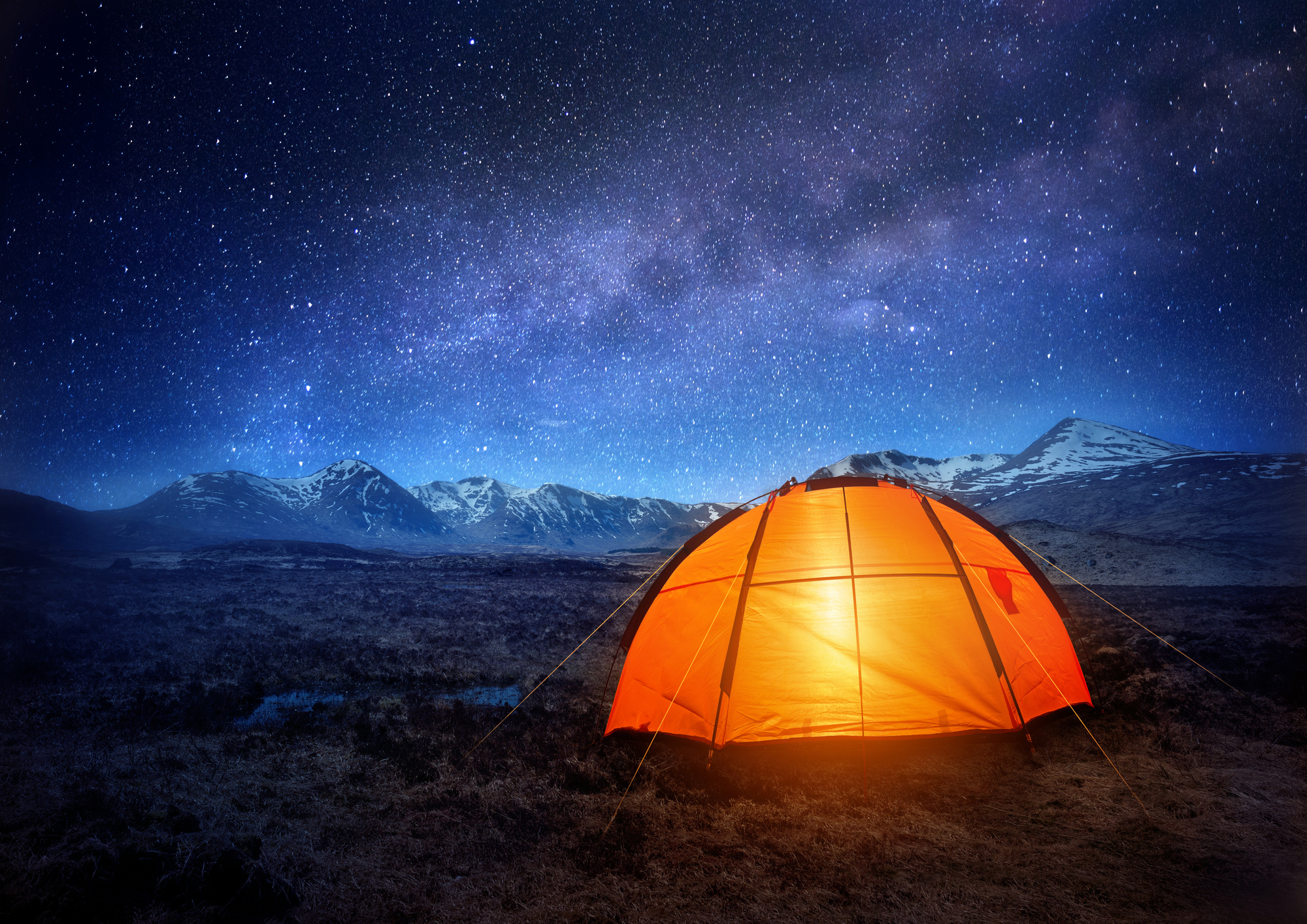
The tent’s pitched, the stove’s hissing and the sunset is doing its best postcard impression. Then you feel a tiny, maddening prickle on your ankle, followed by another on your elbow. Mosquitoes have a remarkable talent for finding travellers miles from the nearest chemist. But with a few smart tricks and a well-packed kit, that bite can go from trip-ruining to barely worth a mention.
Why Do Mosquito Bites Itch So Much?
Blame it on spit. When a mosquito feeds, it leaves a little of its saliva behind, and your immune system responds with histamine and other chemicals. That reaction is what causes the swelling, inflammation and itch that make you want to scratch down to the bone.
Scratching feels heavenly for about three seconds. After that, it tends to make the bite angrier and itchier, and broken skin gives bacteria an easy way in.
Some people barely notice a bite, while others end up with a big, puffy welt. Either way, the goal is to calm the itch without making things worse.
What Will Stop a Mosquito Bite Itching Immediately?
No single trick switches the itch off like a light, but a few simple options can take the edge off fast, even when the nearest pharmacy is a day’s hike away:
- Wash it first: Give the bite a gentle clean with soap if you have some on hand.
- Go cold: Health officials suggest holding an ice pack for 20 minutes to calm the puffiness and itch, repeating as needed.
- Improvise if there’s no ice: A cool drink can or a cloth soaked in cold water makes a decent stand-in, especially if you’re working out how to get rid of mosquito bite swelling on the move.
- Reach for a cream: An over-the-counter itch cream or one containing an antihistamine can help, so follow the directions on the label.
Does Heat Help Bug Bite Itching?
As much as creams help, they run out, and tubes love to leak in a hot pack. If you’re itching in the middle of nowhere and hoping to stop bug bites itching in seconds without anything sticky, small heat-based devices are another option worth knowing about.
Beurer, a wellness and pain-relief brand, is one company that makes insect-bite healers for backpacking trips designed to help ease itching from bug and mosquito bites, such as its rechargeable BR110 BiteX Max. If you try one, read the instructions first and stick to the recommended use.
Adding heat to an already angry bump may seem counterintuitive, but research suggests that controlled warmth can help.
In a 2023 real-world study of around 1,750 people using a heat device, participants’ mosquito-bite itch fell by 57% within the first minute and by 81% after 5 to 10 minutes. People who treated their bites with heat also reported bigger drops in itch and pain than a comparison group who didn’t.
“Controlled” is the key word here. Improvising with a spoon warmed over the camping stove is an easy way to swap an itch for a burn. A purpose-built device keeps the temperature and timing in check, and as with any remedy, results vary from person to person.
How Do You Stop Itching Bug Bites at Night?
Bites seem to save their loudest complaints for the moment you zip up your sleeping bag. If you’re figuring out how to stop itching bug bites at night, a few small habits can help you get some rest:
- Cool down before bed: A splash of cold water or a damp cloth can settle a bite before you try to sleep.
- Cover it up: A plaster or a loose long sleeve makes it harder to scratch in your sleep.
- Keep your nails short: Shorter nails do less damage if you scratch without realising.
- Keep your kit within reach: A cream, a cold bottle or a bite device by your pillow saves you from rummaging around in the dark.
Unfortunately, a bite rarely disappears by sunrise. What you can do is keep the itch and puffiness in check so you wake up rested rather than raw.
When Should You Worry About a Mosquito Bite?
Knowing when to worry about a mosquito bite matters more when you’re far from home. Most bites get better in a few days on their own, but some need a professional’s eye. Health services advise speaking to a pharmacist or doctor if:
- The skin around the bite feels hot, looks red or feels painful
- You notice pus or fluid coming from the bite
- Your symptoms get worse or aren’t improving
- You develop a high temperature and swollen glands
- You feel dizzy or lightheaded
Call the local emergency number straight away if your lips, mouth, throat or tongue suddenly swell. Do the same if you struggle to breathe or swallow or suddenly feel confused or faint, as these can signal a serious allergic reaction.
This article is for general information only. If you have a severe reaction, signs of infection or a fever after a bite, see a doctor. Mention any recent travel to areas, especially where mosquito-borne illnesses are common.
What Should Go in Your Bite Kit Before You Leave?
A little preparation goes a long way when the nearest chemist is a bus ride, a boat trip and a goat track away. Pack a small anti-itch cream, a few plasters and an antihistamine you’ve used before. If you’d like a reusable option, a compact heat-based device fits easily in a hip pocket. Add a decent repellent to cut down on bites in the first place, and you’ll spend less time wondering how to get rid of mosquito bites overnight while scratching, and more time enjoying the view.