
France and Spain are close neighbours, but they can produce very different kinds of holidays. One might appeal to someone who spends an afternoon moving between galleries and cafés, while the other suits a traveller who would rather eat late, swim in the sea and stay out until midnight. Neither needs to be approached as a checklist of famous places. The more useful question is what you actually want your days to look like. Both countries have major cities, rural landscapes, impressive coastlines and centuries of history. The difference often comes down to atmosphere, food, pace and the kind of experiences you naturally seek when travelling.
For Travellers Who Like Variety
France has an extraordinary geographical range. Paris can be followed by the vineyards of Bordeaux, the beaches of the Atlantic coast, the villages of Provence or the mountains of the Alps. The distances between regions mean that a longer trip can feel like several different holidays combined. Spain has comparable diversity, but its regional identities can feel particularly pronounced. Andalusia has its own architecture, cuisine and rhythm, while Catalonia, the Basque Country and Galicia each bring something markedly different to the table. Travellers choosing tours to Spain can therefore move between destinations that feel surprisingly distinct despite being within the same national borders. The deciding factor may be how much contrast you want. France works beautifully for travellers who like changing landscapes and cultural settings, while Spain suits those who enjoy strong regional character and a lively sense of place.
France for Museums, Architecture and Café Culture
France is an obvious choice for travellers who like to build their days around culture. Paris alone can fill several days with museums, historic buildings, gardens and neighbourhood walks, while cities such as Lyon, Strasbourg and Bordeaux add their own architectural and culinary traditions. There is also something particularly appealing about the French café as part of a travel routine. Breakfast can be simple, lunch can stretch beyond an hour, and an evening might begin with an apéritif before dinner. For someone who enjoys observing a city as much as visiting its landmarks, this slower social rhythm can be a major part of the attraction. Beyond the cities, France’s châteaux, vineyards and historic towns provide plenty of opportunities for travellers who prefer scenery and heritage to nightlife.
Spain for Food, Beaches and Late Nights
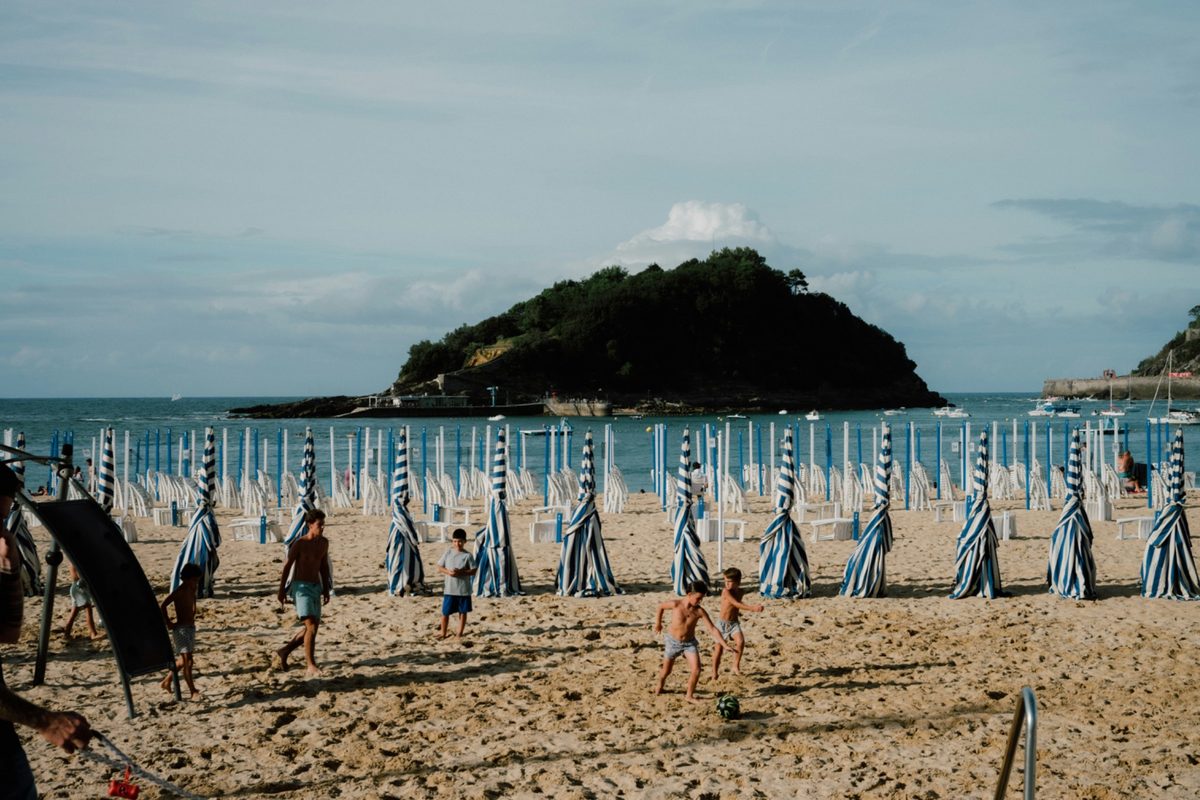
Spain has a different rhythm. Dinner commonly happens later, evenings can continue well beyond the meal itself, and social life often spills into public squares, tapas bars and busy streets. This makes the country particularly appealing to travellers who do not want their day to end at sunset. Food is another major reason to choose Spain. Tapas in Seville, pintxos in San Sebastián, paella in Valencia and seafood in Galicia demonstrate how much the country’s culinary traditions vary. A trip can be planned around food without feeling as though every meal needs to be a formal occasion. The coastline adds another dimension. From the Mediterranean to the northern shores of Galicia and the Basque Country, Spain provides options for travellers who want to combine city exploration with time beside the water.
France for Scenic Road Trips
Travellers interested in organised tours to France may find a different style of itinerary, particularly when a trip combines Paris with smaller towns, wine regions or historic sites. France can be excellent for structured cultural travel, while Spain often encourages a more spontaneous approach once the evening begins. A road trip through France can be particularly rewarding for travellers who enjoy stopping frequently and exploring at their own pace. Small villages, vineyards, markets and historic estates often sit between larger destinations, making the journey itself part of the holiday. The Loire Valley is well suited to this style, with château visits easily combined with cycling, wine tasting and time in smaller towns. Provence offers a different landscape, with hilltop villages, markets and Mediterranean influences. France also works well for travellers who enjoy travelling slowly between regions rather than constantly changing hotels. A few nights in one base can provide enough time to explore nearby attractions without spending every morning packing a suitcase.
Spain for City Breaks With More Energy
Spain’s major cities are particularly appealing when you want a holiday that combines sightseeing with a strong evening atmosphere. Barcelona brings architecture, markets, galleries and beaches together in one destination. Madrid has major museums, broad boulevards and an energetic restaurant scene. Seville offers historic landmarks alongside some of the most atmospheric evenings in southern Europe.
Which Country Suits Your Food Priorities?
Food may be the deciding factor for some travellers. French cuisine is closely associated with technique, regional ingredients, pastries, cheese and wine. Meals can be an important part of the cultural experience, particularly in regions where local products shape the identity of the area. Spanish food is often more informal and social. Sharing several dishes, moving between bars and trying regional specialities makes eating feel closely connected to the social side of travel. Neither approach is better. Consider whether you prefer sitting down for a carefully structured meal or making an evening out of several smaller stops.
Think About the Holiday Pace You Actually Enjoy
The difference between a satisfying trip and an exhausting one often has little to do with the destination. It comes down to whether the itinerary reflects your natural pace. France can be ideal for travellers who enjoy galleries, historic estates, long lunches and scenic journeys between destinations. Spain may suit people who prefer lively streets, beach afternoons, spontaneous meals and late evenings. There is also no reason to choose only one. Southern France and northern Spain can be combined on a longer itinerary, creating a trip that crosses a border while retaining a Mediterranean influence. Alternatively, separate holidays allow you to explore each country without trying to squeeze too much into one journey.
Consider the Season Too
Timing can change the experience considerably. Paris and other French cities can be enjoyable outside the busiest summer period, while southern France becomes particularly attractive when warmer weather arrives. Spain also varies dramatically by region, with summer heat making some inland destinations less comfortable during the middle of the day. Spring and early autumn can provide a useful balance for travellers who want pleasant weather without building their entire trip around peak beach season. Winter, meanwhile, can transform both countries into very different destinations, from festive city breaks to quieter cultural holidays.
Conclusion
Choosing between France and Spain comes down less to which country has more to see and more to the kind of traveller you are. France may appeal if museums, architecture, wine regions and leisurely meals are central to your idea of a holiday. Spain may feel more natural if you are drawn to beaches, regional food, energetic nightlife and a later daily rhythm. The best choice is ultimately the one that matches how you like to spend your time when nobody is asking you to be anywhere else.