
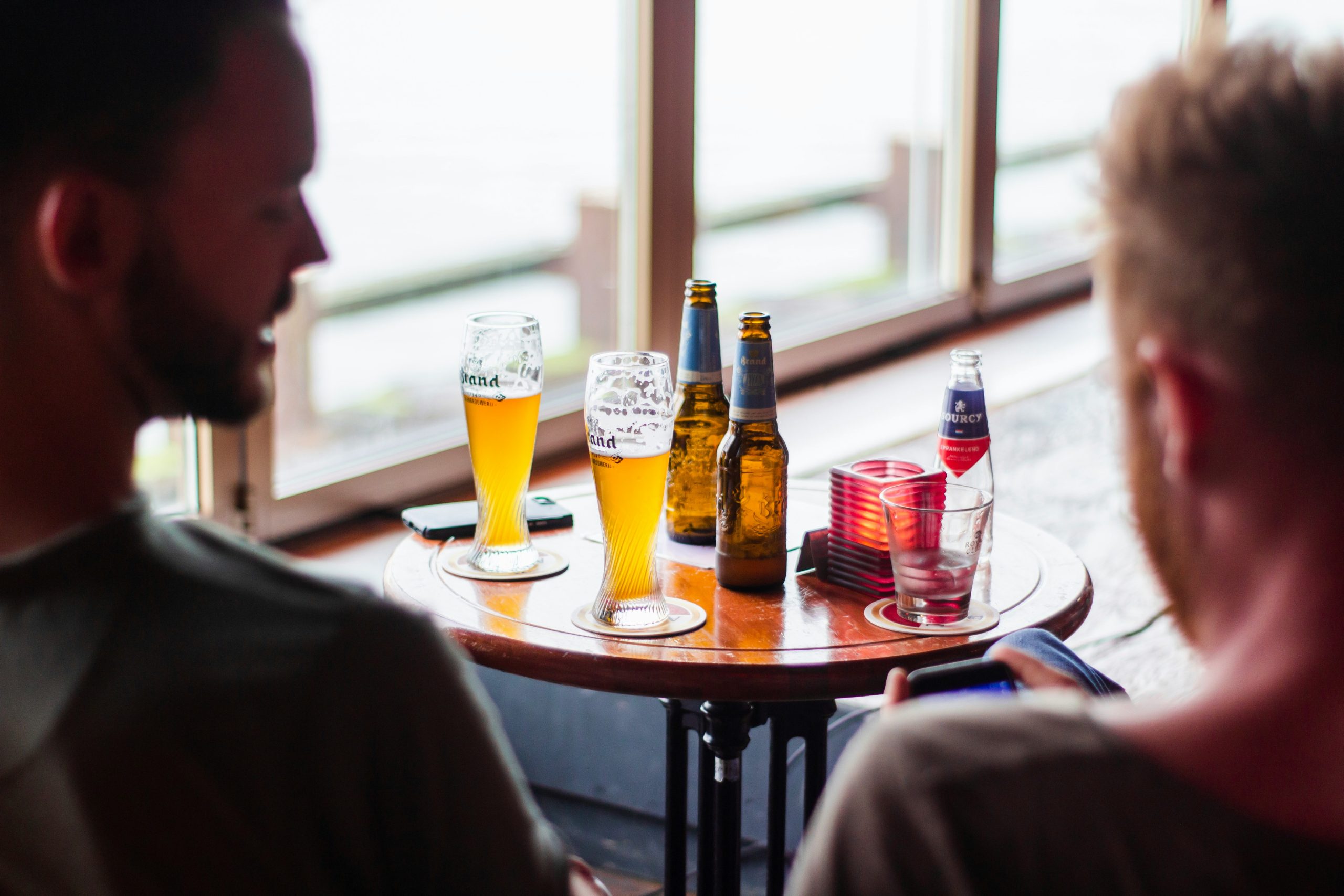
You’re tired. Not just from another night of restless sleep, but from the whole cycle, the evening glass that turns into three, the foggy mornings, the nagging feeling that something’s off. Here’s the thing: ditching alcohol might be the single most powerful change you can make for your health, happiness, and wallet. And the benefits start way faster than you’d think.
The Science Is Clear: Your Body Wants You to Quit
Let’s cut through the noise. A 2026 Brown review analyzing over 150,000 Dry January participants found that even a short-term break from alcohol leads to measurable physical and psychological improvements. Participants reported better sleep, weight loss, improved mood, enhanced energy, and healthier liver function.
But here’s what really stands out: most participants continued drinking less even after the challenge ended. This isn’t just about white-knuckling through a month. It’s about resetting your relationship with alcohol entirely.
What Happens to Your Body When You Stop
Your body responds surprisingly fast when you put down the glass.
| Timeline | What’s Happening |
| Days 1-3 | Liver begins processing toxins, sleep may feel disrupted |
| Days 5-7 | Sleep quality improves, hydration stabilizes |
| Week 2 | Liver fat decreases 15-20%, blood pressure drops |
| Week 4 | Insulin resistance drops 25%, skin looks healthier |
The First Week
Within days, your body starts recalibrating. Your liver begins reducing inflammation and processing stored toxins. Sleep might actually feel worse initially as your brain adjusts to falling asleep without alcohol’s sedative effects. By day five or six, most people notice their sleep quality dramatically improving.
Hydration levels stabilize quickly. Alcohol is a diuretic that causes chronic low-grade dehydration. Once it’s out of your system, your digestion, brain function, and energy levels start bouncing back.
Weeks Two Through Four
Your liver fat can decrease significantly within two weeks if you used to drink regularly. Blood pressure drops. The gut lining starts healing, reducing bloating and indigestion. For anyone exploring this journey, tools like the Sunflower Sober app can help track progress and stay motivated through these early weeks. It can make staying consistent and aware much easier.
This is where things get interesting. A French study following over 2,000 participants found that the proportion of people rating their sleep as “very good” jumped from 9% to 24% during just one month of abstinence.
Making It Work in Real Life
The first sober weekend tends to be the hardest. You’re breaking a habit loop where certain situations automatically meant drinks. Having a plan helps. Non-alcoholic options have exploded in quality – mocktails, NA beers, adaptogen drinks.
Cravings pass. They feel intense, but they’re temporary. Successful people frame sobriety as addition, not subtraction – a mindset shift that’s central to personal growth after addiction. You’re gaining better mornings, clarity, money, and time.
If you’ve been drinking heavily for a long time, quitting suddenly can be dangerous. Talk to a healthcare provider if you experience shaking, sweating, or severe anxiety when you don’t drink.
The Benefits That Make Quitting Worth It
Sleep That Actually Restores You
Alcohol suppresses REM sleep – the restorative phase your brain desperately needs. While a nightcap might help you pass out faster, you’re robbing yourself of quality sleep cycles. Regular drinkers typically get only one or two REM cycles per night instead of the six or seven they need.
Physical Health Improvements
Your liver can regenerate and is the only organ capable of this kind of self-repair. For early-stage damage like fatty liver disease, measurable healing begins within two to three weeks of complete abstinence.
Weight loss happens naturally, too. A single bottle of wine packs around 600 calories. Beyond empty calories, alcohol stimulates appetite and lowers inhibitions around food choices – which is why many people channel their newfound energy into fitness goals like running a 5K every day for 30 days or other physical challenges.
Mental Clarity and Mood
That foggy, sluggish feeling isn’t just hangovers. Alcohol affects cognitive function for 48+ hours after consumption. When you stop, the fog lifts and concentration improves. Studies show that lifetime abstainers report the highest levels of mental well-being.
Quick wins you’ll notice:
- Sharper focus and problem-solving ability
- More stable moods throughout the day
- Reduced anxiety within weeks
- Better emotional regulation
Financial Benefits
Americans spend an average of $637 annually on alcohol. Regular drinkers spend significantly more. One calculation puts the lifetime cost of drinking anywhere from $57,000 to over $116,000.
Where the savings add up:
- No more alcohol purchases
- Fewer Uber rides home from bars
- No drunk online shopping
- Reduced healthcare costs
- Better work performance
FAQs
How long until I notice benefits from not drinking?
Most people notice improved sleep and energy within the first week. Significant benefits like weight loss and better mood typically become apparent within two to four weeks.
Will my liver fully recover if I stop drinking?
For early-stage damage like fatty liver, complete recovery is possible within weeks to months. Cirrhosis causes permanent scarring, but quitting still prevents further damage.
Is it normal to sleep worse at first when you quit drinking?
Yes. Alcohol suppresses REM sleep, so your brain needs to recalibrate. Sleep often feels disrupted initially but typically improves significantly by the end of the first week.
How much money will I actually save by quitting?
The average American spends around $637 annually on alcohol. Heavy drinkers can easily spend $2,000-5,000 or more per year, plus related expenses.
Will quitting alcohol help with my anxiety?
Very likely. While alcohol temporarily reduces anxiety, it disrupts brain chemistry in ways that increase anxiety overall. Most people experience significantly reduced anxiety within weeks of quitting.
Key Takeaways
- Benefits start fast – improved sleep and hydration begin within the first week
- Your liver begins healing in 2-3 weeks and can significantly recover within months
- Most people continue drinking less even after temporary breaks like Dry January
- Financial savings average $637+ annually, with heavy drinkers saving much more
- Mental health improvements are substantial, with mood benefits appearing within weeks
- Focus on what you gain rather than what you’re giving up