
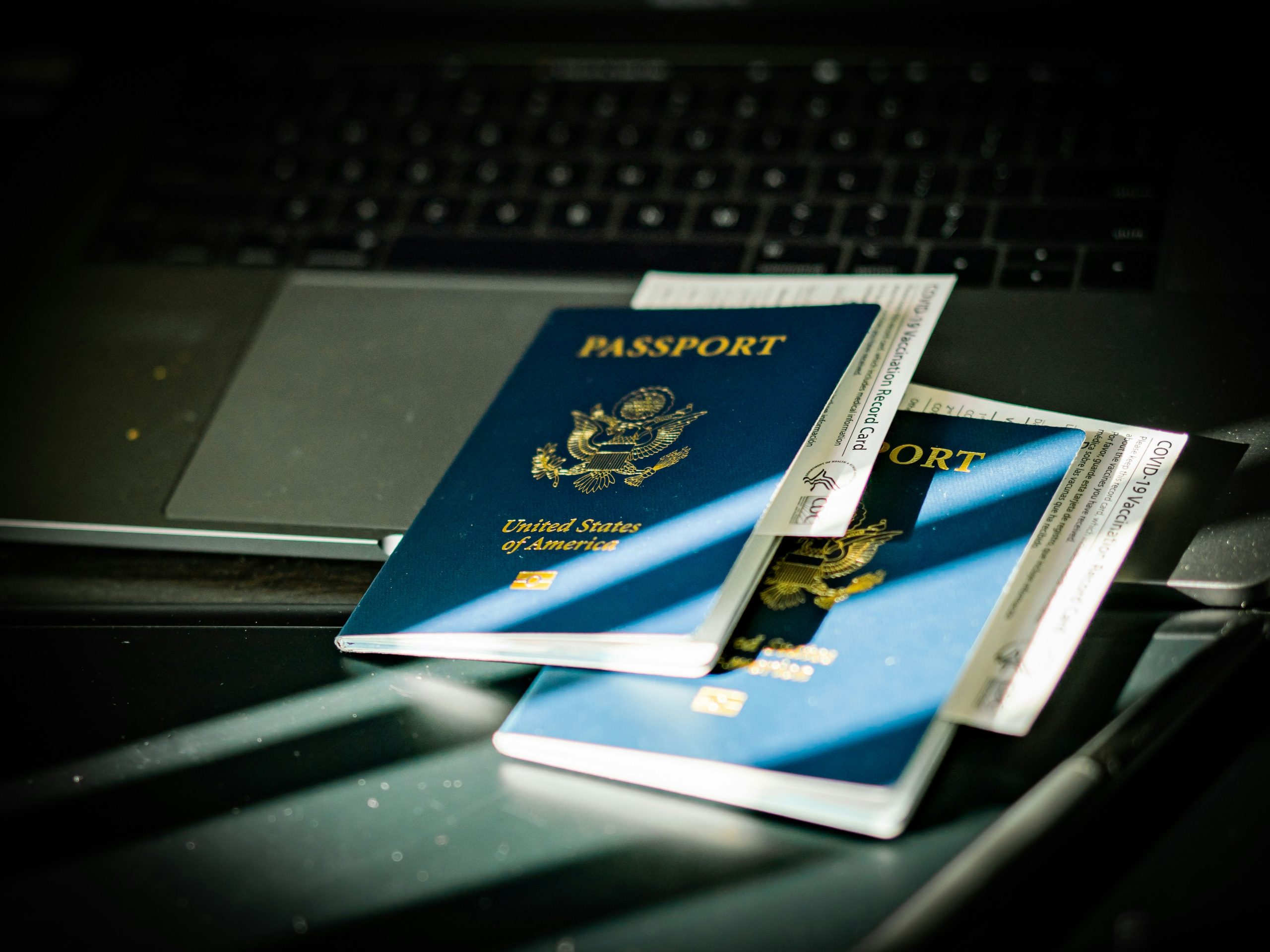
Corporate travel has become faster, more distributed, and more exposed. Employees book flights from phones at the gate, approve hotels from a rideshare, and forward confirmations across busy inboxes. Fraudsters love this environment because it combines urgency, high transaction values, and lots of handoffs.
The financial stakes are not trivial. Industry research cited by Ravelin estimates that the average travel, ticketing, or hospitality company loses around $11 million per year to fraud. In parallel, broader fraud losses keep climbing. The Federal Trade Commission, meanwhile, reports that consumers reported losing more than $12.5 billion to fraud in 2024, which underscores how widespread online fraud has become across the economy. For US businesses that regularly book travel, the solution is a mix of process, controls, and secure connectivity.
1) How Travel Booking Fraud Targets Businesses
Business travel workflows are predictable, which makes them easy to imitate. Common patterns include:
- Fake booking platforms that look like legitimate airline, hotel, or travel sites and capture logins and card details.
- Compromised confirmation emails where a traveler receives a believable “update” that routes them to a spoofed portal.
- Redirected payments where invoices or payment instructions are subtly changed, especially when approvals happen over email or chat.
These attacks succeed when staff are rushed and the organization lacks a reliable way to verify bookings, vendors, and payment destinations.
2) Why Remote and Mobile Bookings Increase Risk
Remote bookings increase exposure because employees often rely on public Wi-Fi, shared devices, or quick taps through ads and search results. Airports, hotels, and cafés are also prime environments for spoofed networks and opportunistic credential theft. Meanwhile, the FTC’s data showing $12.5B+ in reported fraud losses in 2024 illustrates how often criminals manage to convert online deception into real financial loss.
A practical takeaway for travel managers is to assume that “on the road” bookings happen under imperfect conditions, then design controls that still hold up.
3) Securing Connections When Booking Travel on the Road
When staff book away from the office, encrypted connectivity is a core safeguard. A vpn for business can help protect login credentials and payment data by encrypting traffic, reducing the chance that attackers intercept sessions on untrusted networks. Pair this with device requirements such as OS updates, screen locks, and MFA for any booking or expense platform.
4) Internal Controls That Reduce Booking Fraud
Internal controls do not need to be heavy to be effective. Strong options include:
- Approved booking tools or a short whitelist of vendor domains
- Two-step approval for unusual spend, new vendors, or itinerary changes
- Payment validation rules, including verification for bank detail changes
- Centralized travel inboxes with restricted permissions and logging
5) Training Employees to Spot Booking Red Flags
Fraud awareness training pays off quickly in travel contexts. Teach staff to look for domain misspellings, unexpected “reconfirm your booking” prompts, payment requests that shift off-platform, and urgent messages pushing gift cards or wire transfers. The FTC’s business resources provide practical guidance on scams and reporting.
A final surprising “green” benefit is that fraud prevention reduces waste. Fewer fraudulent bookings mean fewer emergency rebookings, fewer chargeback disputes, and less unnecessary travel disruption. Security controls protect budgets, and they also help organizations avoid the hidden operational footprint that comes from fixing preventable incidents.